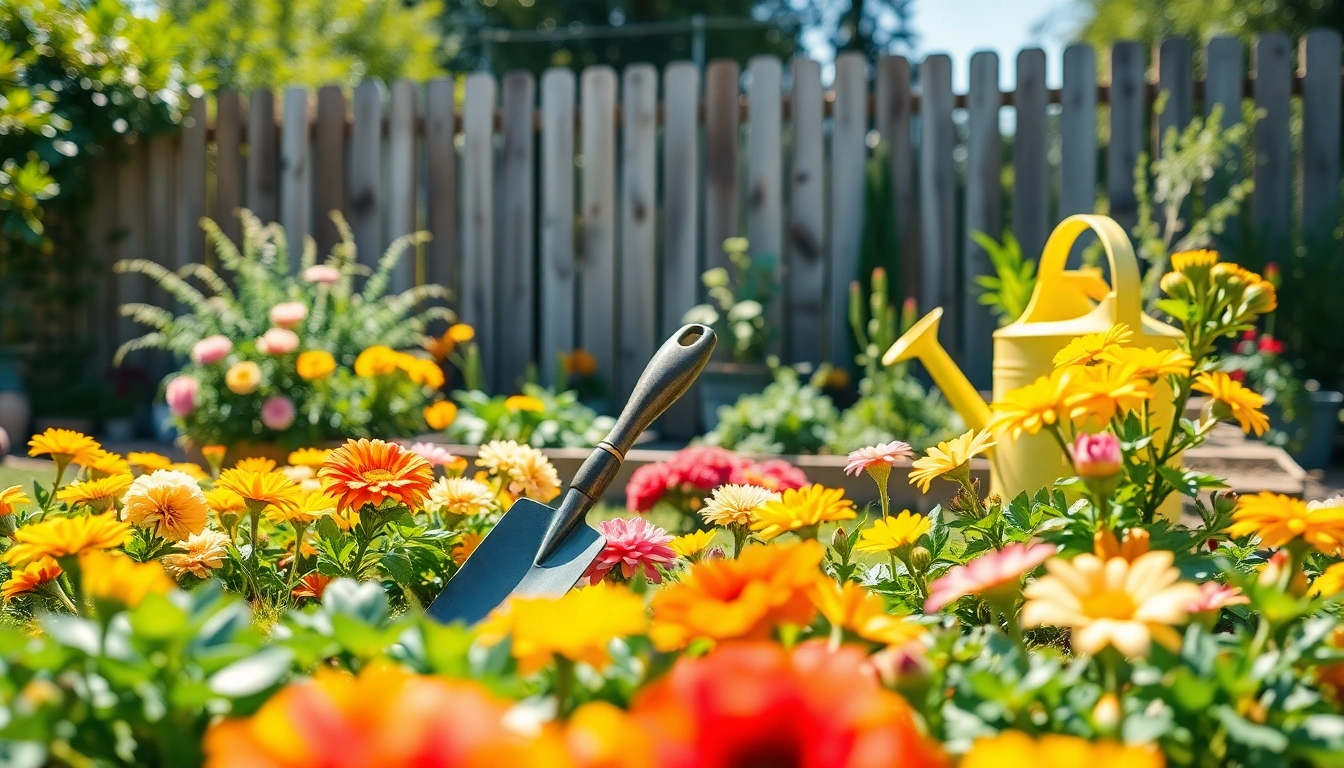
Understanding Gardening Basics
At the heart of Gardening lies an intricate balance between nature, science, and creativity. Whether you are a novice gardener or an experienced horticulturist, understanding the essentials can dramatically improve your gardening experience. This section delves into the fundamental aspects that lay the groundwork for a fruitful gardening endeavor.
The Importance of Soil Health in Gardening
Soil health is the cornerstone of any successful garden. Healthy soil is alive with microorganisms and nutrients that provide the necessary support for plant growth. Understanding soil composition is crucial; sand, silt, and clay interact to create different soil types, affecting water retention and nutrient availability.
To ensure optimal soil health, conducting a soil test is recommended to assess its pH, texture, and nutrient levels. Based on test results, you may need to amend your soil with organic matter like compost, which enhances structure and nutrient retention. Additionally, practicing crop rotation and cover cropping can maintain fertility while reducing diseases.
Choosing the Right Plants for Your Garden
Selecting the right plants is vital, as different species have different needs in terms of sunlight, water, and soil type. Before planting, consider your climate zone and the specific conditions of your garden space. Native plants can be an excellent option, as they are typically well-adapted to local conditions and require less maintenance.
Moreover, diverse planting can boost your garden's health. Mixing perennials, annuals, herbs, and vegetables not only enhances aesthetics but also improves pollination and reduces pest outbreaks.
Essential Tools for Every Gardener
Every gardener should equip themselves with a set of essential tools that make their gardening tasks more efficient. Basic tools include a spade for digging, a hoe for weeding, and a rake for leveling soil.
Investing in quality pruning shears and a watering can also pays off in the long run. As you advance in your gardening journey, consider specialized tools such as trowels for planting bulbs or garden forks for aerating soil. Organizing tools in a shed or designated area ensures you can easily find them when needed.
Planning Your Garden Layout
Planning is an essential step that can influence the overall success of your garden. A well-thought-out layout maximizes space, improves plant growth, and enhances the garden's aesthetic appeal.
Creating a Balanced Design
A balanced garden design considers both beauty and utility. Start by sketching a layout that incorporates harmony, where the arrangement of flowers, foliage, and other features flows well. Consider the height, color, and bloom time of plants to create visual interest throughout the growing season.
Opting for themes, such as a cottage garden, vegetable patch, or formal garden can help guide your plant selection and placement. Additionally, pathways for easy access and maintenance ensure that the garden remains functional.
Maximizing Space in Small Gardens
For gardeners with limited space, strategic planning is imperative. Vertical gardening, where plants grow upwards rather than outwards, can significantly expand your growing area. Utilizing trellises, wall-mounted planters, and hanging baskets allows for a more productive garden.
Container gardening is another excellent method for utilizing small spaces. Various plants, including herbs, vegetables, and ornamental flowers, can thrive in pots on balconies or patios. This approach not only saves space but also makes gardening more accessible to those with physical restrictions.
Seasonal Planting Strategies for Successful Gardening
To optimize your garden's productivity, seasonal planting strategies should be employed. Understanding the local climate and the specific requirements of plants is essential for successful sowing and harvesting. For example, some plants thrive in the cool temperatures of early spring, while others require the warmth of summer.
Implementing a staggered planting schedule can provide a continuous harvest. Succession planting, where new crops are planted just as old ones are harvested, helps maximize yield throughout the growing season. Planning your garden layout around these strategies ensures that you make the most of every square foot available.
Best Practices for Plant Care
Once you have established your garden, understanding how to care for your plants is crucial. Effective plant care involves a variety of practices, all aimed at promoting optimal growth and preventing disease.
Watering Techniques: When and How Much?
Watering is a fundamental aspect of plant care. However, knowing when and how much to water can make a significant difference in your garden's health. Deep watering encourages root development, while surface watering can lead to shallow roots and plant stress.
A general rule is to water in the early morning or late afternoon to minimize evaporation. The frequency of watering often depends on the plant type, soil condition, and weather. Mulching around plants can also help conserve moisture and regulate soil temperature.
Pest Control Solutions for Your Garden
Pests can pose significant threats to garden health, but preventive measures and natural management techniques can mitigate their impacts. Regularly inspecting plants for signs of pest activity helps in early detection, which can prevent larger infestations.
Utilizing companion planting can deter pests naturally, as certain plants repel specific insect species or attract beneficial predators. Additionally, homemade pest deterrents using ingredients like garlic or soapy water can be effective without compromising plant health or safety.
Organic Fertilizing Methods for Healthy Growth
Healthy plants thrive on nutrient-rich soil, and organic fertilizing methods can promote growth sustainably. Using compost adds nutrients while improving soil structure. Liquid seaweed and fish emulsion are other organic options that provide essential micronutrients.
Regularly testing soil nutrient levels ensures that you are aware of deficiencies and can supplement appropriately. Balancing nitrogen, phosphorus, and potassium will optimize plant vigor, flowering, and fruiting potential.
Advanced Gardening Techniques
As gardeners become more adept, they might be interested in advanced methods that can significantly enhance their results. These techniques delve deeper into ecological gardening practices and resource management.
Companion Planting for Improved Yield
Companion planting involves strategically placing plants together for mutual benefit. Certain species, when planted in proximity, can deter pests, attract pollinators, or even enhance nutrient uptake. For example, marigolds planted among vegetables can attract beneficial insects that prey on harmful pests.
Researching compatible plants can lead to fruitful combinations. Additionally, this technique fosters biodiversity, which is essential for a resilient garden ecosystem.
Using Mulch for Soil Protection
Mulching serves various purposes, such as protecting soil from erosion, suppressing weeds, and retaining moisture. Organic mulches, like straw, wood chips, or grass clippings, decompose over time, enriching the soil with nutrients.
Applying a 2- to 4-inch layer of mulch around plants not only aids in moisture retention but also provides a cleaner look to the garden. As the material breaks down, it fuels soil microorganisms that further enhance fertility.
Creating Microclimates to Enhance Growing Conditions
A microclimate is a miniature climate that differs from the surrounding area, influenced by factors like buildings, fences, or specific topography. Understanding and utilizing microclimates can lead gardeners to optimize growth conditions for specific plants.
For instance, a south-facing wall can provide warmth and shelter for plants sensitive to cold. By strategically placing plants in these optimal conditions, you can extend the growing season and potentially increase yield.
Harvesting and Enjoying Your Garden's Produce
The culmination of diligent care and planning is the joy of harvesting your garden's bounty. Knowing when to harvest and how to maintain the quality of your produce adds another dimension to the gardening experience.
When to Harvest Your Crops
Timing is critical when it comes to harvesting crops. Knowing the right time to pick fruits and vegetables can affect flavor, texture, and shelf life. Each plant species has its indicators; for instance, tomatoes should be harvested when they are fully colored yet firm to the touch.
Regular monitoring during peak growing seasons helps to prevent overripening, which can reduce the quality of the yield. Referencing guidelines for each type of produce can help you become more proficient at determining optimal harvest times.
Storing and Preserving Your Garden's Bounty
Proper storage and preservation techniques prolong the enjoyment of freshly harvested produce. Many fruits and vegetables have specific storage requirements to maintain freshness; for example, tomatoes are best stored at room temperature, while leafy greens fare better in the refrigerator.
Canning, freezing, and dehydrating are various methods that can preserve your harvest effectively. Exploring these techniques not only reduces waste but allows you to enjoy the fruits of your labor long after the growing season has passed.
Incorporating Fresh Produce into Your Cooking
The ultimate reward for any gardener is the ability to incorporate fresh produce into cooking. Utilizing seasonal ingredients not only enhances meal flavor but also emphasizes the importance of eating fresh, nutritious foods. Experimenting with recipes that highlight your harvest encourages creative culinary expressions.
Consider preserving some produce or even sharing excess with neighbors and friends, fostering a sense of community among fellow gardening enthusiasts.