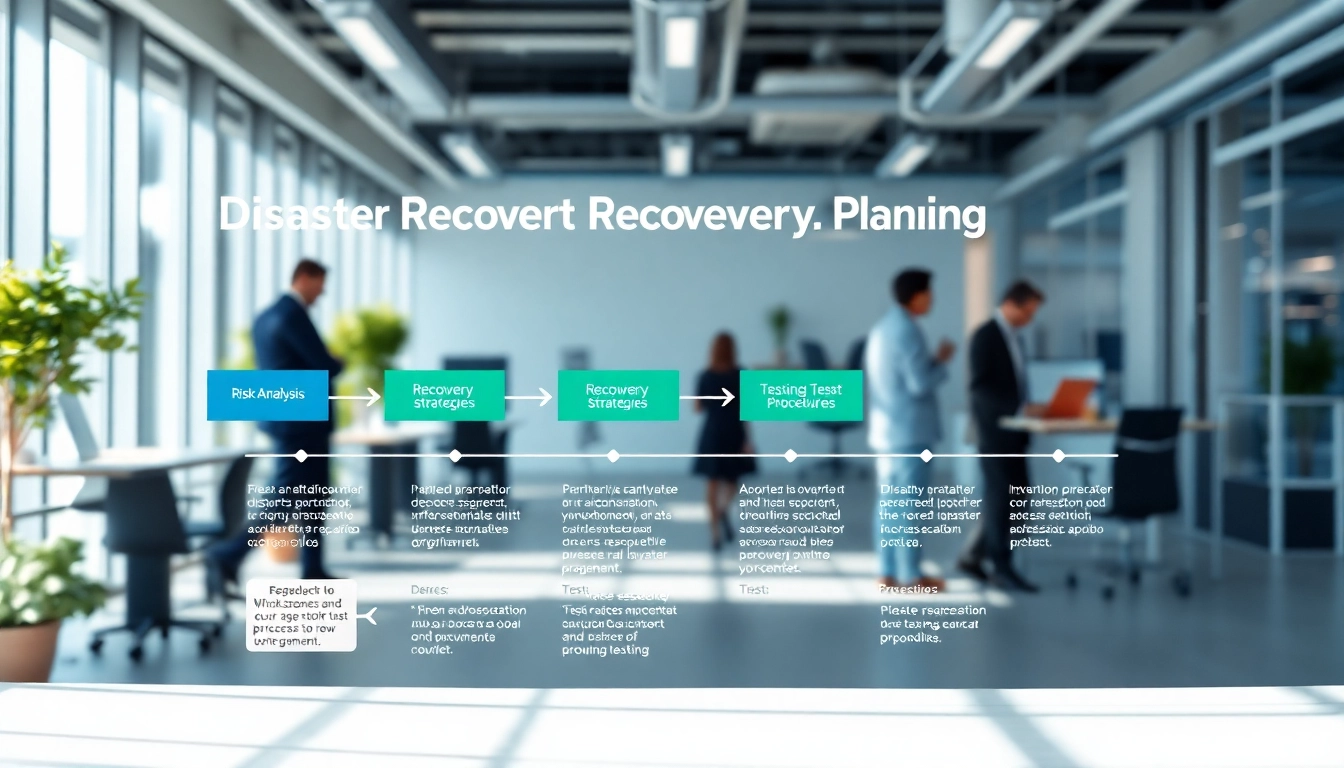
Understanding Disaster Recovery Planning
In an era where technological reliance is paramount, the concept of Disaster Recovery Planning has gained unprecedented importance. Organizations must prepare for unexpected disruptions that can arise from natural disasters, cyberattacks, or other unforeseen incidents. This comprehensive guide offers a deep dive into disaster recovery planning, its necessity, the essential components involved, and practical strategies for successful implementation.
What is Disaster Recovery Planning?
Disaster Recovery Planning (DRP) is a systematic approach that outlines how an organization will restore its critical functions following a disruptive incident. The plan typically includes detailed procedures that help ensure the continuity of operations and protect crucial data. This planning process not only addresses technology recovery but also encompasses the overall resilience of an organization's infrastructure and resources.
Importance of Disaster Recovery Planning
The significance of disaster recovery planning cannot be overstated. A well-thought-out DRP can significantly reduce downtime and financial losses, maintain organizational reputation, and ensure compliance with regulatory requirements. It serves to foster stakeholder confidence, providing assurance that stakeholders' interests are protected even during adverse conditions.
Key Components of Disaster Recovery Planning
To create an effective disaster recovery plan, several critical components should be addressed:
- Business Impact Analysis (BIA): This involves assessing which operations are critical to the organization and understanding the potential impacts of disruptions.
- Risk Assessment: Identifying risks and threats that could disrupt operations forms the backbone of the DRP.
- Recovery Strategies: These strategies articulate how the organization will recover its systems and processes after a disaster.
- Plan Development: Documenting the plan in a clear, structured manner ensures ease of access and execution.
- Testing and Maintenance: Regular exercises and updates to the plan are essential to maintain its relevance and effectiveness.
Risk Assessment in Disaster Recovery Planning
Identifying Potential Threats
A thorough risk assessment begins with identifying potential areas of vulnerability. These hazards can range from natural disasters, such as floods and earthquakes, to technological failures and cyber-security threats. Understanding these threats allows organizations to prioritize them effectively.
Risk Evaluation Techniques
Risk evaluation can employ several techniques, including qualitative assessments, quantitative analyses, and specialized software tools for modeling potential impacts. Organizations often use frameworks such as the FAIR model (Factor Analysis of Information Risk) to quantify risk and clarify the cost-benefit analysis of implementing various mitigation strategies.
Prioritizing Recovery Objectives
Setting recovery objectives is crucial in disaster recovery planning. This includes defining the Recovery Time Objective (RTO), which is the time frame within which business functions must be restored, and the Recovery Point Objective (RPO), which indicates the maximum time an organization can afford to be without its critical data. Knowing these metrics helps prioritize resources effectively during a recovery effort.
Creating a Disaster Recovery Plan
Step-by-Step Implementation Process
The implementation of a disaster recovery plan typically follows these steps:
- Develop a DRP Team: Assemble a multidisciplinary team responsible for plan development, review, and implementation.
- Conduct a Business Impact Analysis (BIA): Assess critical functions and potential impacts of disruption.
- Risk Assessment: Identify potential risks and vulnerabilities to IT infrastructure.
- Define Recovery Strategies: Develop actionable strategies for recovering data and systems.
- Document the DRP: Outline procedures in a comprehensive DRP document.
- Training and Testing: Train staff and conduct regular testing of recovery procedures to ensure effectiveness.
Incorporating IT and Data Management
Given that data is often the most vital asset for organizations, integrating IT and data management into a disaster recovery plan is essential. This entails the classification and backup of data, as well as establishing IT infrastructure that can withstand disruptions. Solutions such as cloud computing and virtualization offer flexibility in data management and recovery processes, simplifying recovery efforts.
Testing and Maintenance of the Plan
No DRP is effective without regular testing and maintenance. Organizations should schedule periodic drills to evaluate the plan's readiness and adapt it based on test findings. This process not only highlights deficiencies in the plan but also reinforces employee preparedness and confidence in executing their roles during a disaster.
Challenges in Disaster Recovery Planning
Common Pitfalls to Avoid
While formulating a disaster recovery plan, organizations may encounter several pitfalls, such as:
- Lack of Senior Management Support: Without buy-in from leadership, the DRP may lack the necessary resources and attention.
- Neglecting Documentation: A poorly documented plan can lead to confusion during an actual disaster.
- Infrequent Testing: Skipping regular tests curtails the effectiveness and efficacy of the DRP.
Resource Limitations and Solutions
Many organizations face resource limitations when it comes to disaster recovery planning. This can manifest as lacking funds, personnel, or technology. Solutions involve leveraging cloud services, establishing partnerships with third-party vendors, and developing a phased approach to implementing the DRP, thus distributing the cost and effort over time.
Staying Compliant with Regulations
In many sectors, compliance with industry regulations and standards is non-negotiable. Organizations must ensure their disaster recovery plans align with applicable legislation and guidelines, which may include data protection regulations like GDPR and HIPAA. Regular audits of the DRP can help maintain compliance and mitigate legal risks.
Measuring Effectiveness of Disaster Recovery Planning
Key Performance Indicators to Track
To gauge the effectiveness of a disaster recovery plan, several Key Performance Indicators (KPIs) can be monitored, including:
- Recovery Time Objective (RTO): Measures the time taken to resume operations after a disaster.
- Recovery Point Objective (RPO): Evaluates the acceptable amount of data loss, informing backup frequency.
- Test Success Rate: Percentage of planned tests completed successfully without significant issues.
Continual Improvement Strategies
Building a culture of continual improvement is vital for maintaining a dynamic DRP. Organizations can implement feedback loops, employing insights from tests, actual disaster experiences, and emergent best practices to iterate on their plans. This adaptability helps organizations remain resilient amid changing landscapes.
Utilizing Feedback for Enhancement
Collecting feedback from all stakeholders involved in the disaster recovery process can provide invaluable insights. Post-incident reviews, stakeholder surveys, and performance evaluations can all inform improvements to the DRP, ensuring it evolves to meet both current and future needs.