Introduction to K-Pop Culture
K-Pop, or Korean Pop music, has evolved into a globally influential cultural phenomenon that transcends language, geography, and social barriers. With dynamic performances, catchy melodies, and striking visuals, K-Pop has taken the world by storm. The genre's appeal lies not only in its music but in a deep-rooted culture that combines tradition with modernity. This article explores the various facets of K-Pop, providing insights into its origins, the vibrant fan community, its influence on fashion, and its production intricacies. For more details and engaging updates on K-Pop, visit https://www.kpopangel.com.
The Origins and Evolution of K-Pop
K-Pop's roots can be traced back to the early 1990s when Western influence began to infiltrate Korean music. Artists like Seo Taiji and Boys introduced a new musical style that incorporated elements of hip-hop and rock, reshaping the landscape of Korean entertainment. The genre blossomed into what we recognize today as K-Pop, characterized by its amalgamation of diverse music styles, rigorous training systems for idols, and a multi-faceted entertainment industry.
Through the years, K-Pop has continuously evolved. The late 1990s and early 2000s saw the rise of groups like H.O.T. and S.E.S., who set the foundation for idol groups that would dominate the charts. As the internet gained prominence, K-Pop began to penetrate international markets, especially in Asia, leading to the Hallyu Wave—a term describing the growing popularity of Korean culture around the globe. Today, K-Pop includes a blend of rap, EDM, R&B, and traditional Korean music, showcasing its versatility and global appeal.
Key Characteristics of K-Pop Music and Performance
K-Pop is not just about the music; it is an intricate blend of sound, choreography, and visual presentation. Productions often feature catchy hooks, polished vocals, and intricate harmonies, appealing to a wide audience. Songs are usually accompanied by elaborate choreography, integrating various dance styles such as hip-hop, jazz, and contemporary forms. This distinctive emphasis on performance distinguishes K-Pop from other music genres.
The visual elements are equally critical. Music videos are cinematic, often telling a story or conveying complex themes. The aesthetics are visually striking, utilizing vibrant colors, cutting-edge technology, and high production values to captivate audiences. Each K-Pop group carefully curates their image, with members often adopting specific concepts that change with each comeback, keeping the content fresh and engaging.
The Global Reach of K-Pop: A Cultural Phenomenon
The global reach of K-Pop is unprecedented and speaks to its universal language of music and performance. K-Pop idols have garnered millions of fans around the world, utilizing social media platforms to connect with their audience. The genre's rise to international fame can be attributed to engaging marketing strategies, such as fan meetings, interactive live streams, and international tours that cater to a diverse fanbase.
Moreover, the Korean government has recognized K-Pop’s impact on soft power, endorsing it as a cultural export that strengthens Korea's global influence. K-Pop has successfully infiltrated mainstream markets in North America and Europe, achieving chart-topping success and establishing dedicated fan communities worldwide. These fans—known as "stans"—not only consume music but actively advocate for their favorite idols, contributing to K-Pop's sustained global presence.
The Fan Community and Its Dynamics
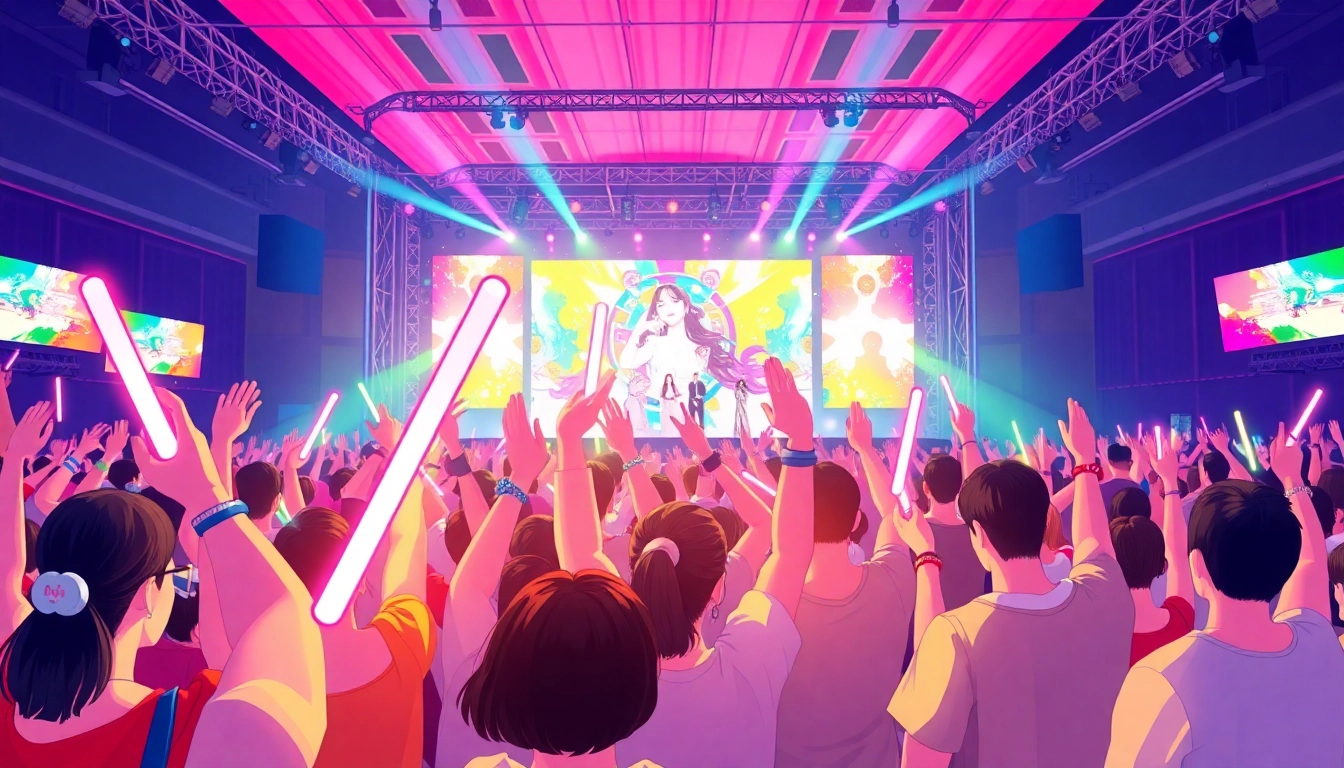
The K-Pop fandom is a vibrant and dynamic community that has played a pivotal role in the genre's success. These ardent supporters participate in various activities, ranging from streaming music to organizing charity events in the name of their favorite groups. Understanding the nuances of K-Pop fandom reveals much about its cultural significance and the emotional connection fans forge with their idols.
Understanding K-Pop Fandom: Fans’ Roles and Engagement
K-Pop fans engage with their idols in numerous ways, often adopting roles that contribute to their groups' success. Active participation includes streaming songs and purchasing albums to boost chart performance. Fans also organize events, such as flash mobs, fan projects, and community drives that galvanize support for their idols.
This engagement creates a sense of belonging within fandoms, fostering tight-knit communities often defined by shared interests and experiences. The idol-fan dynamic is built on a mutual exchange of support, where idols frequently interact with fans through social media, live broadcasts, and fan meetings. This interaction deepens fans' emotional investment, further strengthening their dedication.
Social Media Influence on K-Pop Fandom
In the digital age, social media has revolutionized the way K-Pop fans interact with their idols and each other. Platforms like Twitter, Instagram, and TikTok enable instantaneous communication and enhance the global reach of K-Pop. Fans use hashtags and trends to promote their favorite artists, leading to powerful viral campaigns that often increase an idol's visibility.
Furthermore, platforms like V Live and Weverse allow idols to connect more intimately with fans through live streams, creating a sense of accessibility. The role of social media extends to fostering international fandoms, bringing together fans from diverse backgrounds and cultures who rally around their shared passion for K-Pop. This global camaraderie transcends geographical boundaries, illustrating the profound impact of social media on K-Pop's cultural dissemination.
Building Online Communities: Support and Interaction
Online communities have emerged as vital spaces for K-Pop fans to come together and share their enthusiasm. Forums, fan sites, and social media groups provide platforms for discussions, fan art creation, and merchandise trading. These spaces are often marked by healthy exchanges of ideas, fan theories, and encouragement.
Additionally, organized fan clubs create structured support systems for engagement around specific idols or groups. These clubs often hold events, charity drives, and collaborative projects, fostering a sense of identity and purpose among members. Through participation, fans not only support their favorites but also cultivate lasting friendships, contributing to the long-term sustainability of the K-Pop community.
K-Pop's Influence on Fashion and Style
K-Pop has transcended music, carving a distinctive niche in fashion and style that resonates with fans worldwide. The visual identity of K-Pop is as critical as the music itself, with trends often setting standards that ripple through the global fashion industry.
Iconic K-Pop Fashion Trends Over the Years
K-Pop idols are not just musicians; they are fashion icons who influence trends and styles. Each era of K-Pop has been marked by distinct fashion statements. From the colorful, baggy outfits reminiscent of the 90s, to the sleek, tailored looks of contemporary groups, K-Pop has consistently pushed the envelope in fashion.
K-Pop fashion often blends high fashion with streetwear, incorporating everything from designer pieces to vintage finds. The concept of "aesthetic" is taken seriously, with each comeback presenting a new visual theme that reflects the music's concept. This diversity allows groups to explore various facets of fashion, maintaining freshness and capturing global trends.
How K-Pop Influences Global Fashion Brands
The impact of K-Pop on global fashion is undeniable. Many Western brands collaborate with K-Pop idols, recognizing their ability to drive trends and promote products to a vast audience. These collaborations often result in limited-edition collections that generate significant buzz, highlighting the idols as effective brand ambassadors.
In addition, fashion weeks and major events increasingly feature K-Pop idols, showcasing their influence on the runway and in promotional campaigns. This crossover between music and fashion not only elevates brand visibility but also reinforces K-Pop's status as a cultural powerhouse in the contemporary fashion landscape.
The Role of Beauty and Style in K-Pop Idols
Beauty and style play a crucial role in the K-Pop industry. Idols undergo extensive training that often includes fashion styling and makeup application, aimed at creating a polished public image. This emphasis on appearance reflects broader societal values that prioritize aesthetics, leading to numerous products and trends associated with the K-Pop scene.
Many K-Pop idols endorse beauty products or even launch their own makeup lines, further intertwining the music and beauty industries. The pursuit of beauty also leads to discussions about body image and the pressures faced by idols, sparking dialogues about authenticity and self-expression in the era of perfection.
Music Production and Performance Aspects
The creation of K-Pop music is a meticulous process that involves extensive collaboration among a diverse team of professionals. Understanding this behind-the-scenes effort reveals the complexity and artistry involved in producing K-Pop hits.
Behind the Scenes: Songwriting and Production in K-Pop
K-Pop songs are often written by a mix of local and international songwriters, ensuring a unique blend of styles and lyrical content. The collaborative nature of writing allows for innovative beats and melodies that appeal to diverse audiences. Notably, some idols contribute to the writing and composition, increasing their involvement in the creative process.
Production teams also play a significant role, utilizing cutting-edge technology and production techniques that elevate the overall quality of the music. From mixing to mastering, each step is carefully executed to deliver the best possible sound. The result is a polished final product that showcases the talents of every member involved in the process.
Choreography: The Heart of K-Pop Performances
Choreography is arguably one of the most iconic elements of K-Pop. Each performance is a visual spectacle, with intricate dance routines designed to accompany the music effectively. Dance practice is a fundamental part of idol training, often starting long before their debut. This rigorous preparation enables them to deliver flawless performances that are both entertaining and technically impressive.
Choreographers often draw inspiration from various genres and cultures, incorporating hip-hop, contemporary dance, and traditional Korean dance elements into their routines. The result is a unique choreography style that captivates audiences and helps convey the song's narrative. Fans are known to learn the dances themselves, further enhancing their connection to the music and performance.
The Importance of Visual Storytelling in Music Videos
Music videos in K-Pop are not mere companions to the songs; they are an essential part of storytelling. Directors craft narratives that complement the musical themes, often using elaborate sets and special effects to enhance the visual experience. The interplay between visuals and audio creates a profound impact on viewers, making every music video a cinematic experience that stands alone.
The cultural significance of these videos also reflects broader societal themes, allowing fans to engage with issues caught in the narrative. As K-Pop continues to evolve, the emphasis on high-quality music videos consistently sets the bar for other music genres, showcasing the artistic potential of the medium.
Future Trends in K-Pop
The K-Pop industry is ever-evolving, with new trends and innovations continuously shaping its landscape. Looking ahead, there are several key trends that are likely to define the future of K-Pop and its global impact.
How Technology Is Shaping the Future of K-Pop
Technology plays an essential role in K-Pop, from the production process to fan engagement. Advances in artificial intelligence, virtual reality, and augmented reality are beginning to transform the way music is produced and consumed. For instance, virtual concerts using VR technology allow fans from around the globe to participate in live performances, enhancing accessibility.
Moreover, AI-driven platforms are starting to assist in music composition and production, paving the way for new sounds and collaborations. As these technologies continue to develop, K-Pop could potentially explore uncharted territories in music and performance, sustaining its position as an innovative cultural force.
Upcoming Artists to Watch: The New Wave of Talent
The K-Pop scene continues to flourish with new talent emerging regularly. Emerging groups and solo artists are breaking through with fresh sounds and captivating performances, contributing to the diversity of the genre. This new wave of talent represents a blend of traditional K-Pop elements with modern influences, keeping the industry dynamic and exciting.
Artists who actively engage with their fanbases and incorporate their feedback are likely to thrive as K-Pop fans seek authenticity and originality. The emphasis on storytelling and personal expression will likely dominate the narratives of these rising stars, attracting both loyal supporters and casual listeners alike.
Predictions for K-Pop's Continued Global Expansion
As K-Pop continues to dominate charts worldwide, its global expansion shows no signs of slowing down. Increased participation from U.S. and European markets, along with strategic partnerships, signals a future where K-Pop becomes a staple across diverse cultural landscapes. International collaborations are likely to grow, reflecting the cross-cultural exchanges that define contemporary music.
Additionally, as media platforms evolve, the visibility of K-Pop idols will expand beyond traditional music channels, embracing new forms of content delivery such as streaming and podcasts. The genre is set to become an integral part of global pop culture, continually engaging audiences through innovative storytelling and immersive experiences.