Understanding Custom Foam Inserts Pelican Cases
When it comes to protecting valuable equipment, Custom Foam Inserts Pelican Cases are an essential consideration for both professionals and hobbyists alike. These inserts provide tailored cushioning that maximizes security during transport, ensuring that sensitive gear remains safe from impact and environmental factors. In this article, we will delve into the various aspects of custom foam inserts for Pelican cases, outlining their benefits, design processes, and maintenance tips to help you make informed decisions.
What Are Custom Foam Inserts?
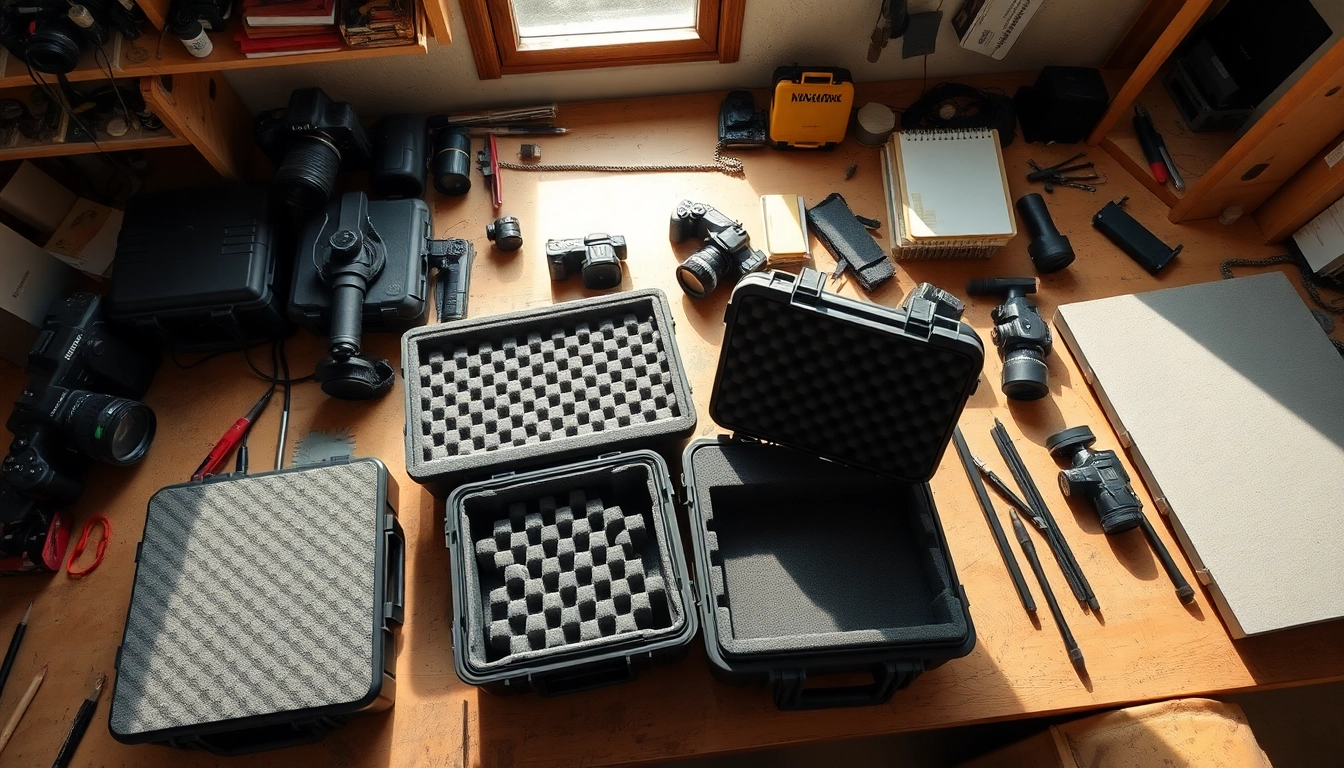
Custom foam inserts are precision-engineered foam arrangements designed specifically to fit the contours of Pelican cases. These inserts are tailored to accommodate different equipment, ranging from delicate electronics to robust tools. Unlike standard inserts, which may simply offer generic padding, custom foam inserts are designed for optimal fit and function, ensuring that items are held securely and positioned properly within the case.
Benefits of Using Custom Foam in Pelican Cases
- Protection: Custom foam inserts provide a high level of shock absorption, protecting your gear from unexpected impacts.
- Organization: Encasing equipment in specifically designed compartments allows for neat organization and quick access.
- Versatility: Suitable for various applications, custom foam inserts can be tailored for cameras, drones, firearms, and scientific equipment.
- Water Resistance: Many foam types are designed with water-resistant qualities, providing additional protection from environmental moisture.
Types of Foam Available for Inserts
The type of foam chosen can significantly affect the durability and effectiveness of the insert. Common types of foam used for Pelican cases include:
- Polyethylene Foam: Known for its rigidity and durability, polyethylene foam works well for heavy equipment.
- Convoluted Foam: Also known as egg-crate foam, this type offers cushioning while allowing airflow — great for delicate items.
- Memory Foam: Offers a soft yet supportive enclosure, ideal for fragile electronics.
- Polyurethane Foam: This versatile option can be tailored for storage and protection in various scenarios.
Designing Effective Custom Foam Inserts Pelican Cases
Designing custom foam inserts involves careful consideration of your equipment and its protective needs. Here are some crucial steps to take when creating effective inserts.
Measuring Your Equipment for Foam Inserts
Accurate measurements are critical for achieving a snug fit. Use a ruler or digital caliper to measure the dimensions of each item you wish to store. In addition to length, width, and height, consider the shape and any accessories that may affect the fit. Document these measurements meticulously to ensure precision.
Choosing the Right Foam Density
Foam density is essential in determining how well it can protect your gear. Higher density foams typically provide superior support and durability, making them ideal for heavier equipment. Conversely, lower density foams can be advantageous for lighter, more delicate items. Understanding the specific requirements of your equipment will guide you in selecting the appropriate foam density.
Design Options: Layouts and Cutouts
Deciding on the layout and cutouts is a vital part of the design process. Think about how often you will access different items. Arrange cutouts for easier retrieval of frequently used items at the top, while storing less frequently accessed items deeper in the case. Employing software applications for designing foam layouts can streamline this process and provide a visual representation before production.
Finding a Custom Foam Provider for Pelican Cases
After determining your requirements, the next step is finding a reliable custom foam provider. Here are essential factors to consider when searching for a supplier.
Evaluating Quality and Service
Not all foam providers are equal. Investigate the quality of foam used by different suppliers by requesting samples and comparing their resilience, flexibility, and durability. Customer reviews and testimonials can also provide insight into the level of service and care that a provider offers. Quality service often reflects a commitment to customer satisfaction and can lead to better end products.
Understanding Pricing Structures
Pricing for custom foam inserts can vary widely depending on factors such as material quality, foam density, and the complexity of the design. It’s prudent to gather quotes from multiple suppliers, ensuring that the pricing aligns with the quality of foam and service provided. Look out for hidden fees for design modifications or expedited delivery.
Turnaround Times and Guarantees
In the realm of custom foam inserts, expedited service might be necessary for urgent projects. Verständigung about expected production and delivery timelines is critical to facilitate your planning. Additionally, assess the guarantees provided by the supplier to ensure that they will stand behind their product in case of defects or dissatisfaction.
Installing and Maintaining Custom Foam Inserts Pelican Cases
Once you have your custom foam inserts, knowing how to install and maintain them effectively is essential for maximizing their lifespan and functionality.
How to Properly Insert Foam in Your Case
The installation process is straightforward. Ensure that the Pelican case is clean and free of any debris. Carefully position the custom foam insert within the case, ensuring that it fits snugly without excessive force. Gently press down to secure it in place. If required, utilize Velcro or adhesive strips for extra stability.
Maintaining Foam Inserts Over Time
Regular care and maintenance can prolong the life of your custom foam inserts. Clean the foam using a damp cloth to remove dust and grime, and avoid using harsh chemicals that could degrade the material. Inspect your foam regularly for signs of wear, such as tears or flattening. If necessary, consider replacing sections of foam that have lost their integrity.
Tips for Storing Equipment Safely
While foam inserts provide formidable protection, proper storage practices are paramount. Store your Pelican case in a cool, dry environment to prevent moisture damage. Avoid stacking heavy objects on top of the case, which can compress the foam and diminish its protective qualities. Additionally, when traveling, ensure that the case is secured in your vehicle to minimize movement and potential impact.
FAQs About Custom Foam Inserts Pelican Cases
What materials are custom foam inserts made of?
Custom foam inserts are typically made from durable materials such as polyethylene, polyurethane, convoluted foam, or memory foam, allowing for protective and supportive qualities tailored to various needs.
How long does it take to design and receive custom foam?
The design to delivery timeframe can vary widely, generally taking anywhere from a few days to a couple of weeks. Factors include the complexity of the design and the workload of the foam supplier.
Can I create custom foam inserts for any Pelican case?
Yes, most providers can create custom foam inserts for a wide range of Pelican cases, ensuring that equipment is secured and protected regardless of the specific case size or design.
Are custom foam inserts waterproof?
While many custom foam materials offer water-resistant properties, true waterproofing depends on the seal of the Pelican case itself, which is engineered to withstand moisture ingress effectively when closed.
What is the cost range for custom foam inserts?
The cost for custom foam inserts can range from $50 to several hundred dollars, depending on foam density, materials, and design complexity. Always request multiple quotes to find the best fit for your budget.