Understanding Heating and Cooling Services
What Are Heating and Cooling Services?
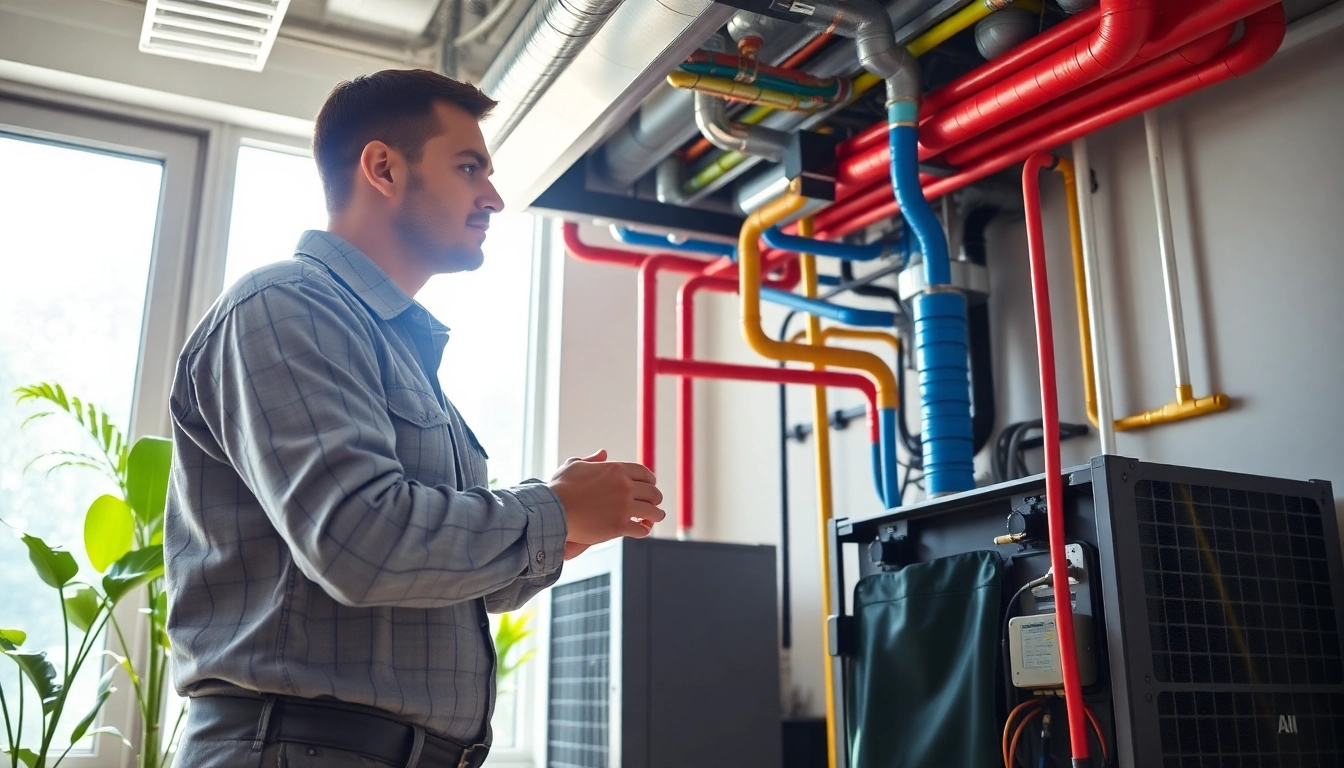
Heating and cooling services encompass a range of solutions designed to maintain comfortable indoor temperatures all year round. These services include installation, repair, and maintenance of various HVAC (Heating, Ventilation, and Air Conditioning) systems. These systems can range from traditional furnaces and air conditioners to modern heat pumps and smart thermostats. The goal of heating and cooling services is to create an environment that's not only comfortable but also energy efficient.
Importance of HVAC in Residential Comfort
HVAC systems play a crucial role in ensuring residential comfort. Without a properly functioning system, homes can become too hot in the summer and excessively cold in winter, leading to unhealthy living conditions. Adequate heating and cooling prevent issues such as mold growth, excess humidity, and respiratory difficulties. Moreover, a well-maintained HVAC system enhances air quality, which is vital for overall well-being. Investing in heating and cooling services is essential for creating a comfortable and healthy home environment.
Common Types of HVAC Systems
Understanding the different types of HVAC systems available can aid in making informed decisions about heating and cooling services. The most common systems include:
- Central Air Conditioning Systems: These systems use ducts to distribute cool air throughout the home. They are typically paired with a furnace for heating.
- Heat Pumps: Ideal for moderate climates, heat pumps can both heat and cool spaces and are known for their energy efficiency.
- Furnaces: Used primarily for heating, furnaces can be powered by various fuels including gas, oil, or electricity.
- Boilers: Unlike furnaces, boilers heat water and distribute it as steam or hot water for heating through radiators or floor systems.
- Ductless Mini-Split Systems: These systems offer flexibility and efficiency for homes without existing ductwork, providing targeted cooling and heating.
Choosing the Right Heating and Cooling Services
Factors to Consider When Selecting Services
When choosing heating and cooling services, several key factors should be considered:
- Experience and Expertise: Evaluate the company’s experience and the qualifications of technicians.
- Customer Reviews: Look for reviews and testimonials from previous customers to gauge service quality.
- Service Options: Ensure the provider offers a full range of services, including emergency repairs and routine maintenance.
- Cost and Affordability: Compare service costs and check for transparency in pricing without hidden fees.
- Energy Efficiency: Assess the energy-efficient options provided to potentially lower utility bills.
How to Assess Your Home's Heating and Cooling Needs
To choose the right heating and cooling services, begin by assessing your home's specific needs:
- Size of the Home: Larger homes might need more powerful heating and cooling solutions, while smaller homes can benefit from compact systems.
- Insulation and Sealing: Proper insulation can significantly affect heating and cooling efficiency. Check for gaps and drafty areas.
- Climate: Consider your local climate as it dictates the performance requirements and energy consumption of HVAC systems.
- Current System Performance: Evaluate the performance and age of existing systems to identify when they might need upgrades or replacements.
Comparing Different Service Providers
When comparing heating and cooling service providers, make use of a structured approach:
- Get Multiple Quotes: Request estimates from at least three different providers to understand pricing and service offerings.
- Check Credentials: Confirm licenses, insurance, and certifications for HVAC technicians.
- Ask About Warranties: Review the warranties offered on parts and labor as well as the types of service plans available.
- Evaluate Customer Support: Reach out to potential providers with questions to assess their responsiveness and willingness to assist.
Maintenance for Optimal Heating and Cooling Services
Regular Maintenance Tasks You Shouldn’t Skip
Regular maintenance is essential for ensuring the longevity and efficiency of your HVAC system. Key maintenance tasks include:
- Changing Filters: Replace or clean air filters every 1-3 months to ensure optimal airflow and air quality.
- Cleaning Coils: Both evaporator and condenser coils should be cleaned annually to prevent dirt buildup, helping the system run efficiently.
- Inspecting Ductwork: Regular checks can reveal leaks or blockages, helping maintain efficient airflow.
- Lubricating Moving Parts: Ensuring components are adequately lubricated reduces wear and tear.
- Thermostat Calibration: Make sure the thermostat is functioning correctly and efficiently providing temperature control.
Signs Your System Needs Repair or Replacement
Identifying signs that indicate your HVAC system may need repairs or replacement can save you time and money. Look out for:
- Unusual Noises: Grinding, squealing, or rattling sounds can indicate the need for repairs.
- Poor Temperature Control: If rooms are not heating or cooling consistently, it may signal a problem.
- Increased Energy Bills: A sudden spike in your utility bills may indicate inefficiency or an issue with your system.
- Frequent Repairs: If you are consistently calling for repairs, it might be more cost-effective to consider a system replacement.
- Old Age: Systems older than 10-15 years might benefit from an upgrade, as newer models are often more efficient.
Seasonal Tips for HVAC Maintenance
Seasonal maintenance is crucial for the efficiency of heating and cooling services. Consider the following tips:
- Spring: Schedule a professional inspection to prepare your system for the cooling season.
- Summer: Keep outdoor units free of debris and ensure airflow is unobstructed.
- Fall: Inspect and service the heating system, replacing filters and checking combustion components.
- Winter: Ensure the system is running smoothly, considering a programmable thermostat to save energy.
Energy Efficiency in Heating and Cooling Services
Understanding SEER and EER Ratings
SEER (Seasonal Energy Efficiency Ratio) and EER (Energy Efficiency Ratio) are essential metrics for evaluating the efficiency of HVAC systems. SEER measures cooling efficiency over an entire season, while EER assesses cooling efficiency at a specific temperature. Higher ratings signify greater efficiency, which can lead to significant savings in energy costs and a reduced environmental footprint.
Cost-Effective Upgrades for Better Efficiency
Investing in energy-efficient upgrades can pay off in the long run. Consider these upgrades:
- Programmable Thermostats: These devices allow you to program specific temperatures for different times of the day, ensuring energy is not wasted.
- High-Efficiency Filters: Replacing standard filters with high-efficiency particulate air (HEPA) filters can improve air quality and system efficiency.
- Insulation Improvements: Enhancing insulation can make significant differences in maintaining indoor temperatures.
- Smart Vent Systems: Variable air volume systems can adjust the airflow according to individual room requirements, improving both comfort and efficiency.
Government Incentives for Energy-Efficient Systems
Government programs often provide incentives or rebates for homeowners who upgrade to energy-efficient HVAC systems. These can include tax credits, direct rebates, or low-interest loans to encourage sustainable energy practices. Check local or federal initiatives to potentially offset the costs of upgrading your system, which can lead to long-term savings while promoting environmental responsibility.
Frequently Asked Questions About Heating and Cooling Services
What is the average lifespan of an HVAC system?
The average lifespan of an HVAC system ranges from 15 to 25 years, depending on the type, usage, and maintenance practices.
How often should I perform HVAC maintenance?
To maintain optimal performance, HVAC systems should receive professional maintenance at least once a year, typically before the heating or cooling season begins.
Are there tax rebates for energy-efficient upgrades?
Yes, many governments offer tax rebates and incentives for homeowners who upgrade to energy-efficient HVAC systems, encouraging sustainability.
What are the benefits of smart thermostats?
Smart thermostats provide remote access, energy usage reports, and programmable settings, allowing homeowners to save money while maintaining comfort.
Can I install a new HVAC system myself?
While some components like thermostats may be DIY-friendly, it’s usually recommended to have a qualified professional install an entire HVAC system for safety and efficiency reasons.