Understanding Types of Refrigerators
When it comes to choosing the right Refrigerator for your kitchen, understanding the various types can significantly impact your decision. Each design serves different needs and offers unique features. In this section, we will explore the three main types of refrigerators: Top Freezer, Side-by-Side, and French Door models.
Top Freezer Refrigerator
The top freezer refrigerator is the classic design that many are familiar with. It typically features a fresh food compartment at the bottom and a freezer compartment at the top. This type of refrigerator is popular for several reasons:
- Space Efficiency: Top freezers are often less deep than their counterparts, making them a good choice for smaller kitchens.
- Affordability: Generally, these models are more budget-friendly, which can make them a great option for first-time buyers or those looking to save on costs.
- Ease of Use: The layout allows easy access to daily items without needing to bend down excessively.
Side-by-Side Refrigerator
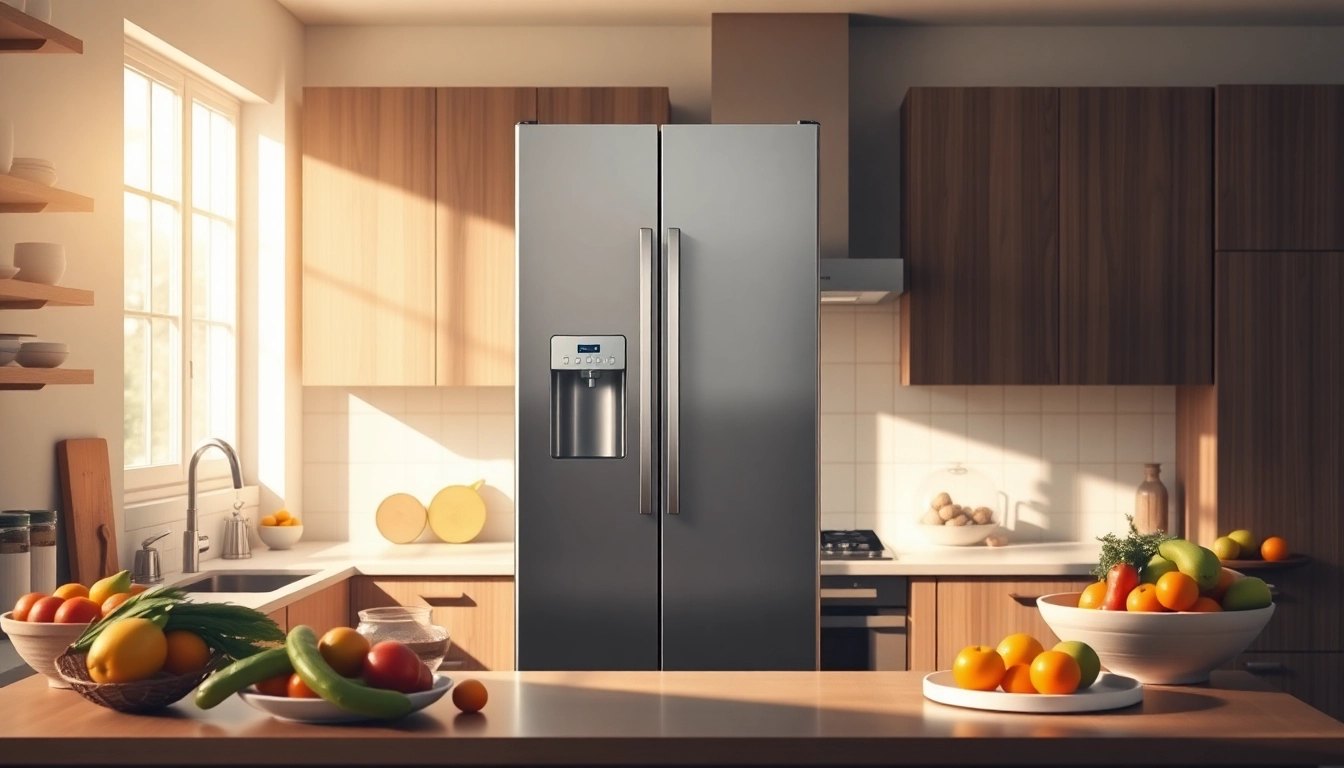
The side-by-side refrigerator features two vertical compartments—one for fresh food and one for frozen items. This model offers distinct advantages:
- Accessibility: Both compartments are easily accessible at eye level, allowing you to quickly find what you need.
- Additional Features: Many side-by-side models come with in-door ice and water dispensers, making them appealing for families or frequent entertainers.
- Modern Design: The sleek appearance can fit well into a contemporary kitchen setup.
French Door Refrigerator
French door refrigerators blend style with functionality. They feature two doors that open to reveal fresh food storage, with a separate freezer drawer. Some key benefits include:
- Spacious Interior: They offer ample space for storing large items and groceries.
- Energy Efficiency: Typically, these models use less energy than traditional models while providing a stylish, high-end look.
- Flexible Organization: Adjustable shelves and drawers can be tailored to better meet your needs.
Key Features to Consider in a Refrigerator
Choosing a refrigerator involves a careful consideration of various features that enhance its performance and usability. Key features to keep in mind include energy efficiency, smart technology, and interior organization solutions.
Energy Efficiency Ratings
Energy efficiency is an essential factor when selecting a refrigerator. Efficient models can save you money on electricity bills and reduce your carbon footprint. Look for Energy Star ratings, which indicate that the appliance meets the energy efficiency guidelines set by the U.S. Environmental Protection Agency.
Smart Technology Options
Smart refrigerators are becoming increasingly popular due to their advanced technology features. Options such as Wi-Fi connectivity allow you to monitor and control your fridge remotely. Some models even come equipped with touchscreen interfaces and features like internal cameras that let you see what's inside without opening the door.
Interior Organization Solutions
Efficient organization within the refrigerator can significantly impact how well it functions and how easy it is to find your food items. Look for models with adjustable shelves, large bins, and specialized compartments for fruits and vegetables. Consider options that offer specific storage for condiments, butter, or beverages.
How to Measure Space for Your Refrigerator
Before selecting a refrigerator, it’s crucial to measure the space where it will reside. Proper dimensions will help ensure that your chosen model fits seamlessly into your kitchen design.
Taking Accurate Measurements
To measure your available space, use a tape measure to determine the width, height, and depth of the area. Remember to measure from the wall to the nearest obstruction, such as cabinets or fixtures. Take into account the additional space needed for proper air circulation around the unit.
Considering Door Swing and Clearance
Before committing to a model, consider the swing of the refrigerator doors. Ensure there’s enough clearance for the doors to open fully without hitting walls or kitchen fixtures. Also, allow extra space for food storage and airflow, which is vital for the refrigerator's efficiency.
Navigating Unique Kitchen Layouts
If your kitchen has an unconventional layout, consider how a refrigerator’s design will fit within the overall aesthetics and functionality. Some models are better suited for narrow spaces while others might require a more expansive area for door clearance.
Maintenance Tips for Your Refrigerator
Maintaining your refrigerator is crucial for ensuring it runs efficiently and lasts for many years. Regular maintenance can prevent costly repairs and can boost performance.
Cleaning and Defrosting
Keep the interior of your refrigerator organized and clean. Regularly wipe down shelves and bins with warm, soapy water, and ensure that the cooling coils are free of dust and debris. If your fridge has a manual defrost feature, defrost it regularly to maintain optimal performance.
Checking Seals and Gaskets
Inspect the door seals and gaskets for wear or damage. Seals should be airtight to prevent cold air from escaping. A simple test involves placing a piece of paper in the door and closing it; if you can easily pull it out, the gasket may need replacement.
Regular Temperature Monitoring
Make sure the refrigerator is operating at the right temperatures. Fresh food compartments should be around 37°F (3°C) while the freezer should be about 0°F (-18°C). Consider using a thermometer to verify these temperatures regularly, especially in the summer months.
Common Refrigerator Issues and Solutions
Even the best refrigerators can encounter problems from time to time. Understanding common issues and their solutions can help you maintain your fridge's efficiency.
Noisy Operation Fixes
If your refrigerator is making excessive noise, it might be due to a misaligned part or something trapped in the fan. Check to ensure there are no obstructions and clean any debris around the unit. If the noise persists, consult the user manual for potential solutions.
Temperature Fluctuations Troubleshooting
Inconsistent temperatures can be a sign of issues such as blocked vents or a malfunctioning thermostat. Make sure air can flow freely inside the fridge, and check the thermostat settings. If problems continue, it may be time to seek professional assistance to evaluate the cooling system.
Maintaining Efficient Cooling
If your refrigerator is not cooling efficiently, it may be an indicator of a blocked condenser or dirty coils. Ensure the condenser coils are free from dust and dirt and check for proper airflow around the appliance. Regular maintenance can prevent these issues from arising.
FAQs About Refrigerators
What size refrigerator do I need for my kitchen?
The size depends on your space and storage needs. Measure your kitchen area and consider family size to determine the appropriate capacity, usually between 18 to 30 cu ft.
How can I make my refrigerator more energy efficient?
Keep the coils clean, check door seals, avoid overloading, and set temperatures to recommended settings for optimal efficiency.
How often should I clean my refrigerator?
For best performance, clean your refrigerator every 3-6 months, but regularly check for spills and food expiration to maintain hygiene.
Can I place my refrigerator outside?
Refrigerators are not designed for outdoor use unless specified as weatherproof. Extreme temperatures can affect functionality and efficiency.
What should I do if my refrigerator is leaking water?
Check for clogged defrost drain or a faulty door seal as common culprits. Investigate any leaks at the water supply line for ice and proper connections.