Understanding Vinyl Flooring Basics
What is Vinyl Flooring?
Vinyl flooring is a synthetic flooring material that mimics the appearance of natural materials such as wood or stone. It consists of several layers, including a wear layer that protects against scratches and stains, a printed design layer that gives the flooring its unique look, and a backing layer that provides support and stability. This versatility makes vinyl flooring an excellent choice for a variety of spaces, from residential homes to commercial establishments. Its affordability and aesthetic appeal make vinyl flooring a favorite among homeowners and business owners alike.
Types of Vinyl Flooring
There are primarily three types of vinyl flooring available on the market, each catering to different needs and preferences:
- Sheet Vinyl: This is a large, continuous roll of vinyl that can be cut to fit the specific dimensions of a room. It is an excellent option for areas prone to water, as it can be seamlessly installed to minimize seams where moisture might enter.
- Vinyl Plank Flooring: Resembling hardwood planks, vinyl plank flooring offers a stylish appearance while being highly durable and moisture-resistant. This type is particularly popular for its ease of installation and is often used in high-traffic areas.
- Vinyl Tile: Much like traditional ceramic tiles, vinyl tiles offer versatility in design. They can be mixed and matched to create unique patterns and styles, making them a great option for those looking to personalize their space.
Benefits of Vinyl Flooring
The benefits of vinyl flooring are numerous and compelling, which is why it continues to gain popularity:
- Water Resistance: Vinyl flooring is inherently water-resistant, making it suitable for bathrooms, kitchens, and basements.
- Durability: With proper maintenance, vinyl flooring can last between 10 to 25 years, depending on the quality and type of flooring chosen.
- Comfort and Warmth: Vinyl is softer underfoot compared to hard surfaces like tile or hardwood, offering greater comfort for long periods of standing.
- Easy Maintenance: Cleaning vinyl flooring is straightforward, requiring only a damp mop and mild detergent to maintain its appearance.
- Cost-Effective: Generally less expensive than other flooring options, vinyl flooring offers a high return on investment.
How to Choose Vinyl Flooring
Evaluating Your Space
When selecting vinyl flooring, assessing your environment is pivotal. Consider traffic levels, humidity, and aesthetic preferences. For high-traffic zones, opt for thicker wear layers to enhance durability. In moisture-prone areas, such as bathrooms, ensure the product specifies water resistance. Adapting your choice to the specific environment will guarantee longevity and satisfaction.
Comparing Styles and Patterns
Vinyl flooring comes in an extensive array of styles, textures, and colors. Whether imitating the look of natural wood, stone, or coming in vibrant, modern patterns, the options are endless. When selecting a style, consider these factors:
- Room Aesthetics: Choose designs that complement your existing decor. Neutral tones can create a calming effect, while bolder patterns could serve as the room's statement piece.
- Personal Style: Reflect on your preferences. Do you prefer rustic designs that evoke warmth and coziness or sleek, modern patterns that exude sophistication?
- Functionality: Consider how the style fits into your lifestyle. For example, busy households may benefit from darker wood tones that hide dirt better than lighter colors.
Cost Considerations
The cost of vinyl flooring varies widely based on type, brand, and installation method. On average, expect to pay between $2 to $5 per square foot for materials. Installation can add another $1 to $3 per square foot, depending on complexity. It's vital to budget not just for the initial purchase but also for long-term maintenance and potential repairs. Investing in higher-quality vinyl flooring can lead to greater durability and lower costs over time, providing significant savings.
Installation Insights for Vinyl Flooring
Preparation Steps
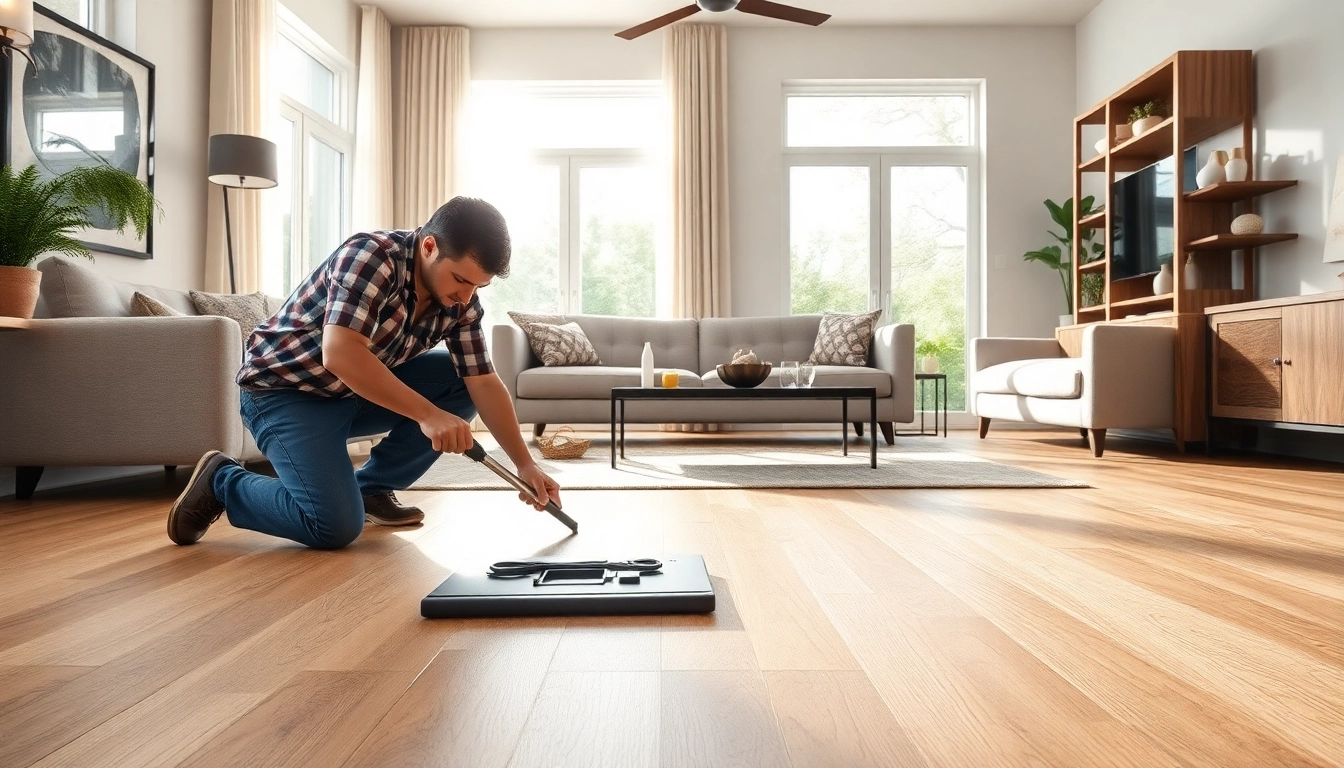
Before installation, proper preparation of the floor is crucial for ensuring a smooth finish. Follow these steps:
- Remove Existing Flooring: Ensure the subfloor is clean, dry, and smooth. Remove any carpet, tile, or old vinyl before proceeding.
- Check for Level: Use a level to check for uneven areas. If necessary, fill gaps or sand down high spots to create a uniform surface.
- Gather Tools: Collect necessary tools, such as a utility knife, straight edge, measuring tape, and adhesive if required for your type of vinyl.
- Acclimate the Vinyl: Let the vinyl flooring acclimate to the room temperature for at least 48 hours to avoid expansion or contraction post-installation.
DIY vs. Professional Installation
Deciding between DIY and professional installation hinges on several factors, including skill level, time, and budget:
- DIY Installation: Many types of vinyl flooring feature click-lock systems that make it possible for homeowners to install their flooring without expert help. This option can save on installation costs but requires careful attention to detail to ensure a professional-looking result.
- Professional Installation: Hiring a professional can be beneficial if you're uncomfortable with the installation process or have a complex layout. Experts ensure correct installation, minimizing the risk of mistakes that could result in additional costs or damage.
Post-Installation Care
After your vinyl flooring is installed, maintaining it properly will help extend its lifespan. Here are some essential care tips:
- Avoid heavy foot traffic on the floor for at least 24 hours to let the adhesive set properly.
- Use protective pads on furniture legs to prevent scratching.
- Consider placing rugs or mats at entryways to trap dirt and moisture before it reaches the flooring.
Maintaining Your Vinyl Flooring
Daily Cleaning Tips
Regular cleaning is essential to keep your vinyl flooring looking its best. Here are effective daily cleaning strategies to follow:
- Sweep or Vacuum: Remove dust and debris daily with a soft broom or a vacuum that’s safe for hard floors.
- Mop Regularly: Use a damp mop with a mild cleaning solution specifically designed for vinyl flooring to maintain its shine.
- Spot Clean Stains: Remove spills immediately to prevent staining, using a light detergent solution and a soft cloth.
Long-term Maintenance Strategies
In addition to daily cleaning, consider these long-term maintenance practices:
- Deep Cleaning: Deep clean your floors at least once every few months to prevent buildup and maintain their appearance.
- Resilience Check: Regularly check for scratches or scuffs. Address these promptly, as major issues may require professional repair.
- Protect from Sunlight: Use window coverings to protect the flooring from prolonged sun exposure, which can cause fading.
Common Problems and Solutions
Despite its durability, vinyl flooring may experience some common issues. Here are solutions to address them:
- Bubbles or Lifting: This may result from trapped air or moisture. Cut an ‘X’ in the bubble, apply adhesive if necessary, and weigh down until it adheres.
- Scratches: Use a wax pencil that matches the floor color to cover minor scratches.
- Stains: For tougher stains, avoid abrasive cleaners. Instead, try a vinegar-water solution or a recommended vinyl floor cleaner.
Frequently Asked Questions About Vinyl Flooring
Is vinyl flooring water-resistant?
Yes, vinyl flooring is highly water-resistant, making it ideal for areas like kitchens and bathrooms.
How long does vinyl flooring last?
With proper care, vinyl flooring can last between 10 to 25 years, depending on the quality and maintenance practices.
Can vinyl flooring be installed over existing floors?
Yes, vinyl flooring can often be installed over existing floors, provided they are level, clean, and in good condition.
What are the best mop types for vinyl flooring?
Microfiber mops are ideal for vinyl flooring, as they are gentle and effectively attract dust without scratching the surface.
Is vinyl flooring safe for kids and pets?
Yes, vinyl flooring is generally safe for children and pets as it is non-toxic and has a smooth surface that’s easy to clean.