How to Handle a Fire Claim for Commercial and Residential Losses
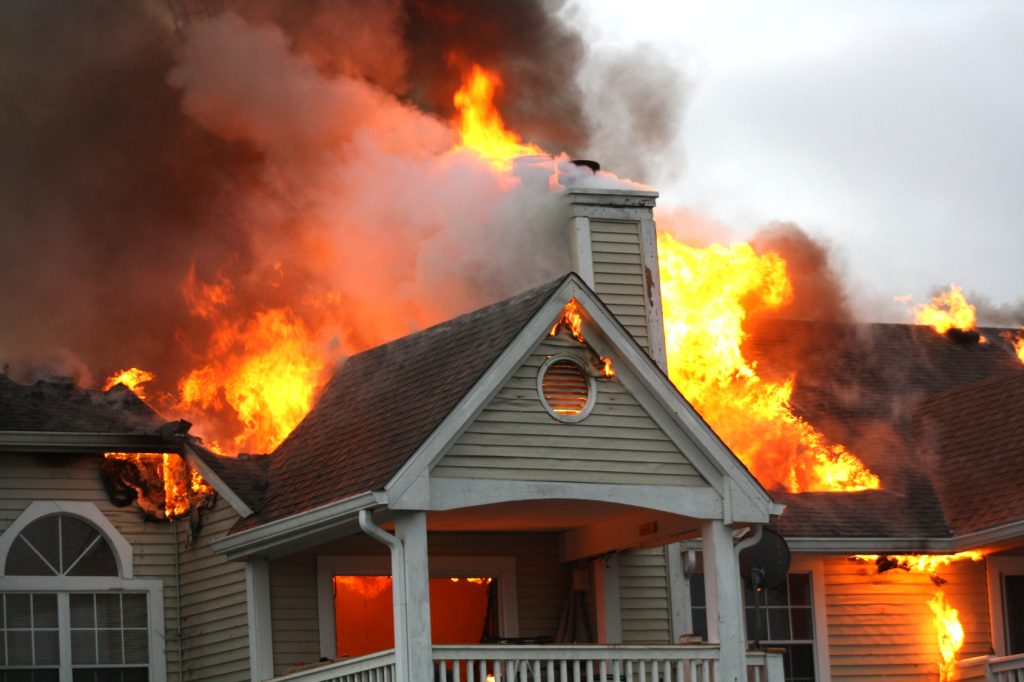
Filing a fire claim can be overwhelming, whether you are dealing with commercial property or residential losses. Understanding the proper steps can help ensure you receive the compensation you deserve while minimizing stress during a difficult time. At Lachman Public Adjusters Inc., we specialize in guiding property owners through the complex process of a fire claim. This article provides a detailed guide on how to handle a Fire claim effectively.
Understanding a Fire Claim
A fire claim is a request made to your insurance company for reimbursement or coverage for damages caused by fire. Both commercial and residential property owners may file a fire claim after experiencing fire-related losses. Insurance policies often cover structural damage, personal property loss, and additional living or business expenses, but understanding the details of your coverage is crucial for a successful fire claim.
Immediate Steps After a Fire
The first steps after a fire can significantly impact your fire claim outcome. Safety should always come first—ensure all occupants are safe and avoid re-entering the property until authorities deem it safe. Next, contact your insurance company to report the fire and start your fire claim. Provide as much information as possible, including photos, videos, and a list of damaged property.
It is also wise to secure the property to prevent further damage. While some temporary repairs, such as boarding up windows or tarping roofs, may be necessary, keep receipts as these expenses may be reimbursable under your fire claim.
Documenting Your Losses
Thorough documentation is essential for a successful fire claim. Create an inventory of damaged or destroyed items, including descriptions, purchase dates, and estimated values. Photographs, videos, and receipts are invaluable when supporting your fire claim. For commercial property, include business equipment, inventory, and structural damage in your documentation. Residential property owners should focus on personal belongings, structural damage, and any lost amenities.
Working with Your Insurance Adjuster
Once your fire claim is filed, the insurance company will assign an adjuster to evaluate the damage. It’s important to cooperate fully but also to be vigilant about protecting your interests. Keep detailed notes of all conversations and provide copies of your documentation. Public adjusters, such as those at Lachman Public Adjusters Inc., can advocate on your behalf to ensure your fire claim reflects the full scope of your losses.
Estimating Damages
Estimating damages accurately is a critical part of a fire claim. Underestimating damages can result in insufficient compensation, while overestimating can complicate the process. Public adjusters are trained to assess both visible and hidden damages, ensuring your fire claim covers structural issues, smoke and water damage, and replacement costs for personal or business property.
Common Challenges in Fire Claims
Many property owners encounter challenges during a fire claim, including disputes over coverage, delays in processing, or disagreements regarding the value of damages. Fire-related damages can be complex, and insurance companies may attempt to minimize payouts. Engaging a public adjuster can help navigate these challenges and improve the likelihood of a favorable resolution for your fire claim.
Tips for a Successful Fire Claim
- Report promptly: Notify your insurer immediately to begin your fire claim.
- Document thoroughly: Take detailed photos, videos, and maintain receipts.
- Keep records: Maintain communication records with your insurer and any contractors.
- Hire experts: Consider working with public adjusters or fire restoration specialists to strengthen your fire claim.
- Understand your policy: Review your insurance policy carefully to know what damages are covered in your fire claim.
Differences Between Commercial and Residential Fire Claims
While the process of filing a fire claim is similar for commercial and residential properties, there are key differences. Commercial properties often involve higher-value assets, inventory, and potential business interruption costs, which should be carefully documented in a fire claim. Residential claims typically focus on personal belongings, structural damage, and temporary living expenses. Regardless of the type of property, proper documentation and expert guidance are crucial for a successful fire claim.
Conclusion
Handling a fire claim requires careful attention, prompt action, and thorough documentation to ensure you receive the compensation you deserve for commercial or residential losses. From reporting the incident and securing the property to working with insurance adjusters and estimating damages, each step is vital in protecting your financial interests. By following best practices and seeking professional guidance from experts like Lachman Public Adjusters Inc., you can navigate the complex process with confidence and maximize the outcome of your fire claim.