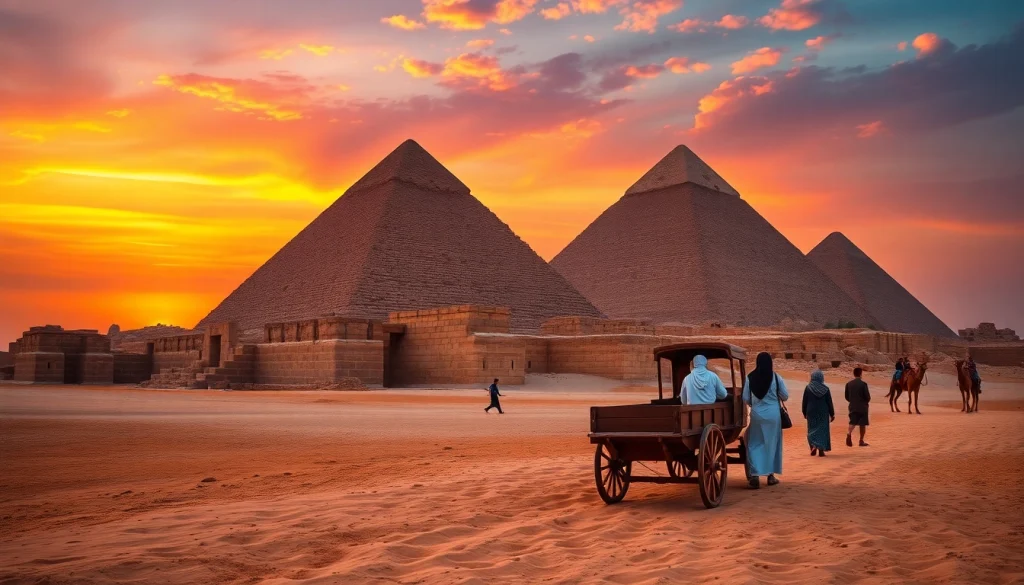
Introduction to Egypt: Land of Timeless History
Egypt, a mesmerizing country straddling the northeastern corner of Africa, is often recognized for its unique blend of rich history and stunning landscapes. It attracts millions of visitors yearly, drawn not only by its famous monuments but also by the vibrant culture and diverse experiences it offers. This exploration aims to delve into various aspects of Egypt’s heritage, modern advancements, and travel tips for those wishing to experience its wonders firsthand. For an in-depth view of Egyptian culture and travel opportunities, visit https://emegypt.net.
1. Overview of Egypt’s Historical Significance
Egypt is often referred to as the cradle of civilization. The timeline of its history stretches back thousands of years, marked by significant cultural and political milestones. Ancient Egypt was the site of groundbreaking achievements in governance, architecture, art, and science, many of which still captivate modern-day scholars and tourists alike. The unification of Upper and Lower Egypt, under the first Pharaoh, Narmer, laid the groundwork for one of the world’s first centralized governments.
This government flourished, leading to the construction of monumental architectures such as the Great Pyramids, temples, and the Sphinx. These structures, crafted with advanced engineering techniques, not only served religious and burial purposes but also displayed the Pharaohs’ absolute power. Ancient Egyptians developed a complex system of writing, hieroglyphics, which chronicled their history and religious beliefs, allowing further insight into their civilization.
2. Cultural Heritage and Influences
Egypt’s cultural heritage is a tapestry of influences that have stirred its identity over millennia. From the ancient Copts, who were among the first Christians, to the Ottoman Empire’s involvement, each group has left its mark on Egyptian culture. The arts, particularly music, dance, and visual arts, reflect both ancient traditions and contemporary styles.
In literature, works such as “The Tale of Sinuhe” from the Middle Kingdom highlight the depth of Egyptian storytelling. Meanwhile, the modern renaissance of Egyptian cinema and literature illustrates how the nation continues to evolve while holding onto its roots.
Further shaped by Islam, which became predominant in the 7th century, Egyptian cultural practices integrate Islamic traditions and values. Events like Ramadan and Eid are celebrated widely, showcasing the nation’s rich religious diversity and community spirit.
3. Importance of the Nile River
No discussion of Egypt is complete without emphasizing the Nile River, the lifeblood of the nation. For centuries, it has provided sustenance, transportation, and commerce, creating a fertile corridor amidst the arid landscapes of the Sahara. Ancient Egyptians revered the Nile, attributing it to the fertility of their land and the prosperity of their civilization.
Modern Egypt still relies heavily on the Nile, especially in agriculture, where irrigation systems are crucial for farming initiatives. The river also supports contemporary tourism through cruises and excursions that allow visitors to experience its historical significance directly. With the added challenge of climate change and dam constructions, the Nile’s future remains crucial to Egypt’s sustainability and identity.
Exploring Ancient Wonders: Architectural Marvels
1. The Great Pyramids of Giza
The Great Pyramids of Giza, among the most iconic structures globally, remain a testament to ancient engineering prowess. Constructed over 4,500 years ago as tombs for the Pharaohs, these pyramids—Khufu, Khafre, and Menkaure—demonstrate an incredible understanding of architecture and resources. The Great Pyramid of Khufu, also known as the Pyramid of Cheops, is the largest and originally stood at 146.6 meters tall.
Visitors cannot help but be awed by the precision with which these structures were built, aligning perfectly with the cardinal points. The pyramids continue to inspire architectural scholars and contribute significantly to theories about ancient construction practices. The site is not just about the pyramids; it’s surrounded by mortuary temples and the Sphinx, adding layers to its historical narratives.
2. The Sphinx and Its Mysteries
The Great Sphinx of Giza, a limestone statue of a reclining sphinx, is another crucial landmark rich with history. With a human head and a lion’s body, it is believed to represent King Khafre, serving as a guardian to the pyramids. The sheer size of the Sphinx—about 20 meters in height and 73 meters in length—reflects the grandeur of the era.
Many mysteries surround the Sphinx, including its purpose and the erosion patterns that prompt debates about its age. While some theorize it was a protector of graves, others believe it embodied the Pharaoh’s power. Ongoing archaeological efforts continue to uncover layers of history surrounding this enigmatic figure.
3. Temples of Luxor and Karnak
Located on the East Bank of the Nile, Luxor Temple and the Karnak Temple Complex are essential stops on any journey through ancient Egypt. The temples epitomize the grandeur of ancient engineering and religious devotion. While Luxor Temple was mainly constructed for rituals and celebrations, Karnak served as a center of worship for Amun-Ra, the sun god, and features impressive hypostyle halls with towering columns adorned with intricate carvings.
Visitors can admire architectural marvels like the avenue of the sphinxes leading to Karnak, where each feature tells a story of devotion and artistry. With extensive hieroglyphs detailing Pharaohs’ achievements and the pantheon of gods, these temples remain a profound source of historical insight.
Modern-Day Egypt: A Blend of Tradition and Progress
1. Economic Landscape and Opportunities
Today’s Egypt presents a dynamic economic environment marked by a blend of traditional sectors such as agriculture and modern industries, including tourism and services. The government has initiated various reforms aimed at improving investment, boosting growth rates, and modernizing infrastructure. Agriculture continues to occupy a significant place in the economy, supported by the expansive irrigation systems fed by the Nile.
In recent years, the tourism sector remains a vital economic driver, with millions flocking annually to experience Egypt’s historical heritage. The country has also seen the development of new industries, including textiles and information technology, showcasing adaptability amidst global shifts.
2. Influence of Tourism on Development
Tourism plays a pivotal role in shaping Egypt’s economy, accounting for a significant portion of GDP and employment. The Egyptian government actively promotes tourism through campaigns aimed at attracting visitors to its historical sites and beach resorts. Innovations within the tourism sector include improved facilities, guided tours, and digital services that enhance visitor experiences.
However, balancing tourism’s demands with the preservation of historical sites remains a challenge. Sustainable tourism initiatives focus on minimizing environmental impacts while providing enriching experiences for visitors. These strategies aim to ensure that Egypt’s rich heritage continues to be accessible to future generations.
3. Urban Life in Cairo
Cairo, the bustling capital city, is a fine illustration of Egypt’s juxtaposition of ancient and modern. With a population exceeding 9 million, it ranks as one of the largest cities in Africa and the Middle East. The cityscape is dominated by a mix of ancient mosques, modern skyscrapers, and chaotic markets, reflecting both history and contemporary life.
Cairo’s vibrant urban culture includes a thriving art scene, culinary diversity, and rich literary traditions. Neighborhoods such as Zamalek and Maadi offer a blend of modern amenities and historical charm, attracting expatriates and locals alike. The city’s busy streets are alive with the sights and sounds of daily life, from street vendors selling local foods to bustling bazaars filled with crafts and textiles.
Travel Tips and Must-See Places in Egypt
1. Essential Travel Advice for Visitors
Before traveling to Egypt, familiarizing oneself with local customs and travel regulations is essential. The country has unique rules, especially regarding dress codes, most notably when visiting religious sites such as mosques. Moreover, it is advisable to stay informed about the latest travel advisories to ensure a safe and enjoyable trip.
Tourists should also consider booking guided tours for historical sites to gain richer insights. Engaging with local guides can enhance the learning experience and offer new perspectives on Egypt’s history and culture.
2. Top Destinations to Experience
Beyond the iconic pyramids and Sphinx in Giza, numerous destinations across Egypt offer unique experiences. Aswan and Luxor are renowned for their temples and tombs, while the Red Sea resorts, such as Sharm El Sheikh and Hurghada, provide beautiful beaches and excellent diving opportunities. Abu Simbel, home to Ramses II’s temples, and the Siwa Oasis, known for its beautiful landscapes, are also must-visit sites.
The Western Desert and the White Desert offer adventures away from the crowds, with opportunities for camping, hiking, and exploring unique geological formations. Each destination presents a chance to connect more deeply with Egypt’s multifaceted beauty.
3. Local Customs and Etiquette
Understanding local customs helps visitors navigate cultural norms in Egypt correctly. Greetings typically involve a handshake or a friendly smile, but it’s important to respect personal space and observe how locals engage. Dress modestly in religious sites and public areas, especially for women, who might consider scarves or shawls as appropriate attire.
Photography in certain locations, particularly military sites or around women in rural areas, may be frowned upon or prohibited. Maintaining courtesy and being respectful toward local traditions while enjoying the sights ensures a positive and enriching experience in Egypt.
The Future of Egypt: Challenges and Opportunities
1. Environmental and Social Issues
As Egypt moves into the future, it faces various environmental challenges that impact development and heritage preservation. Issues include water scarcity due to climate change and the construction of new dams, which could threaten the Nile’s flow and agricultural productivity. Urbanization has brought rapid population growth, which poses challenges for infrastructure and employment.
Socially, Egypt is at a crossroads with ongoing discussions about human rights, governance, and civic engagement. Activism has seen a resurgence among youth, aiming for social change while navigating complex political landscapes. The balance between progress and tradition remains delicately poised as Egyptians advocate for their rights and futures.
2. Political Landscape Overview
The political landscape in Egypt has evolved significantly over the past decade, marked by upheaval and reform. The 2011 revolution paved the way for new political dynamics, although challenges regarding governance and human rights remain a topic of concern. Current leadership has implemented various economic reforms, signaling a desire for progress yet often facing criticism both domestically and internationally.
Ongoing political stability is fundamental for continued development, especially in attracting foreign investment and fostering economic growth. Building credible political institutions remains essential for the future governance of the country.
3. Sustaining Egypt’s Heritage for Future Generations
Preserving Egypt’s vast cultural and historical heritage is crucial not only for national identity but also for promoting tourism and education. Initiatives targeting restoration and conservation of historical sites are essential, coupled with education programs that teach younger generations about their rich heritage.
Community involvement in heritage preservation fosters a culture of respect and stewardship over these sites. Sustainable practices in tourism and development, focused on minimizing environmental impact, will support both present and future efforts to protect and celebrate Egypt’s heritage.