Understanding Trade Schools in Hawaii
Trade schools, also known as vocational or technical schools, provide specialized education and training for students looking to enter specific careers. In Hawaii, these institutions offer tailored programs that equip students with the skills they need to succeed in various industries, from healthcare to information technology. For those contemplating their future and considering their options, exploring trade schools in Hawaii can be a pivotal step toward a rewarding career.
What are Trade Schools?
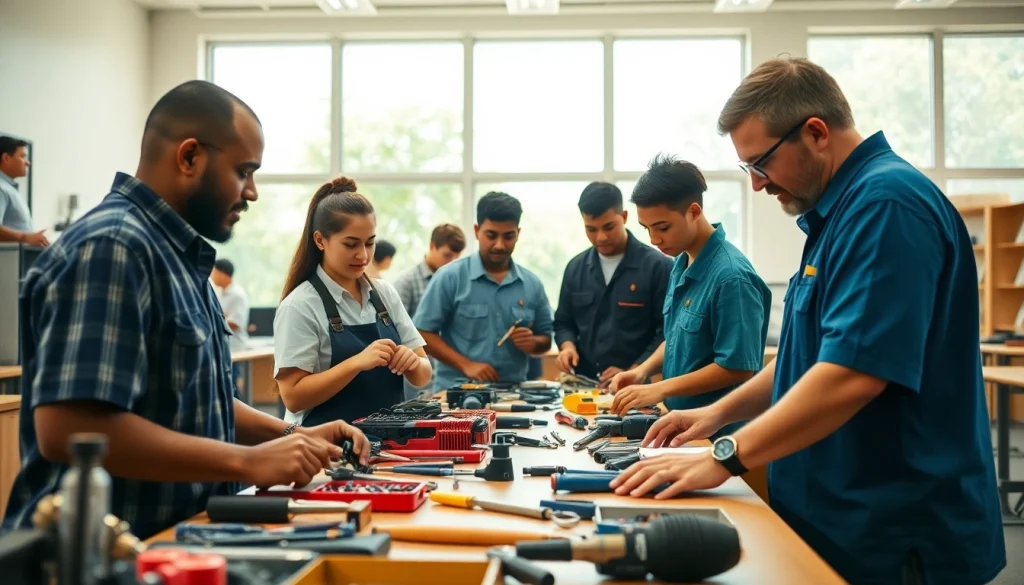
Trade schools focus on providing hands-on training and practical skills in various trades or professions. Unlike traditional four-year colleges that offer generalized education, trade schools aim to enhance students’ capabilities within specific fields, enabling them to enter the workforce more quickly. Programs at these schools typically range from six months to two years and include a mix of classroom instruction and hands-on training.
Benefits of Attending Trade Schools in Hawaii
Trade schools present various benefits for students looking to start their careers without the lengthy commitment of a university degree. Here are some of the key advantages:
- Shorter Program Duration: Most trade programs are designed to be completed in a short timeframe, allowing students to enter the job market faster.
- Cost-Effective: Tuition at trade schools is often less than that of traditional colleges, making it a more affordable option for many.
- Job Readiness: Many trade schools incorporate internships and apprenticeships, ensuring students gain real-world experience before graduating.
- High Employment Demand: Graduates from trade programs often find that their specific skills are in high demand, increasing their chances of employment.
- Personalized Attention: With smaller class sizes, students receive more individualized instruction from experienced instructors.
Key Programs Offered in Hawaii’s Trade Schools
Hawaii’s trade schools offer a variety of programs tailored to meet the needs of local industries. Some notable programs include:
- Healthcare: Programs for nursing, dental hygiene, and medical assisting are commonly offered, addressing the state’s ongoing need for healthcare professionals.
- Culinary Arts: Given Hawaii’s robust tourism industry, culinary programs train students in various cooking techniques and hospitality skills.
- Information Technology: With the growing tech sector, IT programs focus on software development, network administration, and cybersecurity.
- Electrician and Plumbing: These programs prepare students for essential trades with hands-on experiences and certifications.
- Automotive Technology: Offering extensive training in automotive repair and maintenance, this program caters to a consistent demand for skilled technicians.
Navigating the Application Process
How to Choose the Right Trade School in Hawaii
Choosing the right trade school can significantly affect your educational experience and career trajectory. Here are key factors to consider:
- Accreditation: Ensure the school is accredited by a recognized body. This ensures that the education provided meets industry standards.
- Program Offerings: Review the programs available to ensure they align with your career goals and interests.
- Location: Consider the school’s proximity to your home as well as job opportunities in the area.
- Costs: Evaluate tuition costs, materials, and other fees associated with each program.
- Success Rates: Research the school’s graduation and job placement rates to gauge their effectiveness in preparing students for the workforce.
Important Admission Requirements
Every trade school has specific admission requirements, but generally, applicants should prepare for the following:
- High School Diploma or GED: Most schools require proof of graduation from high school or a GED equivalent.
- Entrance Exams: Some programs may require students to take entrance exams to assess their skills and readiness for the program.
- Interview: An interview with school representatives may also be part of the application process to assess motivation and interest in the chosen field.
- Background Checks: Particularly in healthcare-related programs, background checks may be mandatory.
Tips for a Strong Application
To enhance your application and stand out among other candidates, consider the following tips:
- Research Thoroughly: Familiarize yourself with the program you are applying for and express your enthusiasm for it in your personal statement.
- Prepare Documentation: Gather and carefully review all required documents, ensuring everything is accurate and completed on time.
- Recommendations: Secure strong letters of recommendation from teachers, employers, or mentors who can vouch for your abilities and work ethic.
- Practice Interviews: If interviews are part of the process, practice with friends or family to build confidence in discussing your motivations and goals.
Financial Considerations
Understanding Tuition Costs for Trade Schools in Hawaii
Tuition costs for trade schools in Hawaii can vary significantly based on the program and school. On average, tuition ranges from a few thousand to tens of thousands of dollars depending on the length and complexity of the training. It is crucial to explore multiple institutions and compare costs, keeping in mind that some programs may have additional costs such as materials, equipment, and certification fees.
Available Financial Aid Options
To alleviate the financial burden, various financial aid options are available for students attending trade schools in Hawaii:
- Federal Financial Aid: Students may qualify for federal grants and loans through the Free Application for Federal Student Aid (FAFSA).
- State Grants and Scholarships: Hawaii offers several state-funded programs designed to support students pursuing vocational training.
- Institutional Aid: Many trade schools have financial aid offices that can assist students in finding scholarships or payment plans offered by the specific institution.
- Work-Study Programs: Some schools offer work-study opportunities where students can earn money while gaining experience relevant to their field.
Budgeting for Trade School Expenses
Creating a budget is essential for managing finances while attending trade school. Here are some tips to help you budget effectively:
- List All Costs: Include tuition, fees, books, supplies, living expenses, and transportation in your budget.
- Monitor Expenses: Keep track of your spending to ensure you do not exceed your budget.
- Plan for Emergencies: Set aside funds for unexpected expenses that may arise during your studies.
- Explore Part-time Work: Consider flexible job opportunities that allow you to support yourself while attending classes.
Real-World Experience and Networking
Importance of Internships and Apprenticeships
Internships and apprenticeships are critical components of the educational experience in trade school. These opportunities allow students to apply their skills in real-world settings, gain valuable work experience, and establish professional connections. Working alongside experienced professionals can also provide insights that enrich classroom learning.
Building Industry Connections in Hawaii
Networking is an invaluable aspect of launching a successful career. Trade schools often facilitate connections with local businesses and industries, allowing students to meet potential employers and industry leaders. Students can benefit from joining professional organizations, attending trade shows, and participating in community events to broaden their network further.
Job Placement Services in Trade Schools
Many trade schools offer job placement services to assist graduates in securing employment after completing their programs. These services might include:
- Resume Assistance: Guidance on creating a professional resume tailored to the specific trade.
- Interview Preparation: Mock interviews and advice on how to present oneself effectively.
- Job Fairs: Access to job fairs where students can meet employers actively seeking candidates from trade schools.
- Alumni Networks: Connections with alumni who can provide insights or job leads in the industry.
Career Outcomes for Trade School Graduates
High-Demand Careers for Trade Schools in Hawaii
Graduates of trade schools often enter fields experiencing growth and demand. Some high-demand careers in Hawaii include:
- Nursing: With an aging population, the demand for nurses continues to rise.
- Construction: Skilled tradespeople are essential in addressing Hawaii’s ongoing infrastructure needs.
- Information Technology: As businesses increasingly rely on technology, IT professionals are sought after across various sectors.
Potential Earnings and Job Growth Trends
Trade school graduates can often command competitive salaries. The potential earnings vary by occupation, with many trade roles offering salaries that can rival those of four-year degree holders. Additionally, job growth trends in Hawaii show positive projections for various trade sectors, indicating a promising employment landscape for graduates.
Success Stories from Graduates
Success stories serve as inspiration for prospective students, showcasing the potential outcomes of attending trade schools. Many graduates have found meaningful employment, launched their businesses, or advanced in their careers through the skills gained from their programs. Sharing these success stories emphasizes the transformative power of trade education and its role in building fulfilling careers.