
Home Security Essentials: How to Protect Your Home the Smart Way
Home security has become one of the most critical concerns for modern homeowners as living spaces evolve into interconnected, technology-driven environments. Protecting a home today involves far more than installing a lock or an alarm. It requires a strategic understanding of risks, behaviors, and technologies that work together to create a secure, resilient living environment. As homes become smarter, so do the methods used to exploit weaknesses, making a well-planned Home Security strategy essential rather than optional.
At Deep Dive Picks, we focus on delivering research-backed insights that help homeowners make informed decisions. A smart approach to home security is not about fear but preparedness. It is about designing systems that deter threats, detect unusual activity early, and respond effectively without disrupting daily life. When done correctly, home security becomes an invisible layer of protection that supports comfort, confidence, and long-term peace of mind.
- The Evolution of Home Security in the Modern World
- Why Home Security Is More Important Than Ever
- Understanding Risk Assessment in Home Security Planning
- The Role of Access Control in Home Security
- Surveillance and Visual Awareness in Home Security
- Alarm Systems as a Core Layer of Home Security
- Smart Lighting and Its Impact on Home Security
- Integration and Automation in Home Security Systems
- Privacy and Data Considerations in Home Security
- Professional Monitoring Versus Self-Monitoring
- Maintaining and Upgrading Home Security Over Time
- Conclusion
- Frequently Asked Questions
The Evolution of Home Security in the Modern World
The concept of home security has changed dramatically over the last few decades. Traditional approaches relied heavily on physical barriers such as locks, gates, and basic alarm systems. While these elements remain important, they are no longer sufficient on their own. Modern home security reflects a deeper understanding of how threats occur and how technology can be used proactively to reduce risk before incidents happen.
Today’s homes are filled with connected devices that collect data, automate tasks, and improve convenience. This connectivity creates new opportunities for protection but also introduces new vulnerabilities. Effective home security now addresses both physical safety and digital exposure. Understanding this evolution allows homeowners to move beyond outdated assumptions and adopt smarter, more comprehensive protection strategies that align with contemporary lifestyles.
Why Home Security Is More Important Than Ever
Changes in daily routines, remote work, and increased reliance on delivery services have reshaped how homes are occupied and perceived. These shifts make home security more important than ever because homes are no longer static spaces. They are dynamic environments that interact constantly with the outside world. This constant interaction increases exposure to potential risks, making a proactive approach essential.
Home security also plays a significant role in emotional well-being. Knowing that a home is protected reduces stress and allows residents to focus on their lives without constant concern. Beyond personal safety, strong home security contributes to property value and long-term stability. Buyers increasingly view security features as a core requirement, reinforcing the importance of investing in reliable protection systems.
Understanding Risk Assessment in Home Security Planning
A smart home security strategy begins with understanding risk rather than purchasing products. Every home faces different challenges based on location, layout, neighborhood activity, and daily habits. Risk assessment involves identifying potential entry points, evaluating visibility, and understanding how routines may unintentionally create vulnerabilities.
Effective home security planning considers both obvious and subtle risks. Obvious risks include unsecured doors or poorly lit areas, while subtle risks may involve predictable schedules or unsecured smart devices. By evaluating these factors holistically, homeowners can design home security systems that address real-world threats rather than relying on generic solutions that may not fit their specific environment.
The Role of Access Control in Home Security
Access control is one of the most fundamental aspects of home security because it determines who can enter and when. Traditional keys provide limited control and no visibility, which can create security gaps over time. Modern access control solutions allow homeowners to manage entry points more intelligently, reducing reliance on physical keys and increasing accountability.
Smart access systems enhance home security by offering customizable permissions, activity tracking, and remote management. These features allow homeowners to adapt quickly to changing needs without compromising safety. When access control is integrated with broader home security systems, it becomes a powerful tool for monitoring and preventing unauthorized entry.
Surveillance and Visual Awareness in Home Security
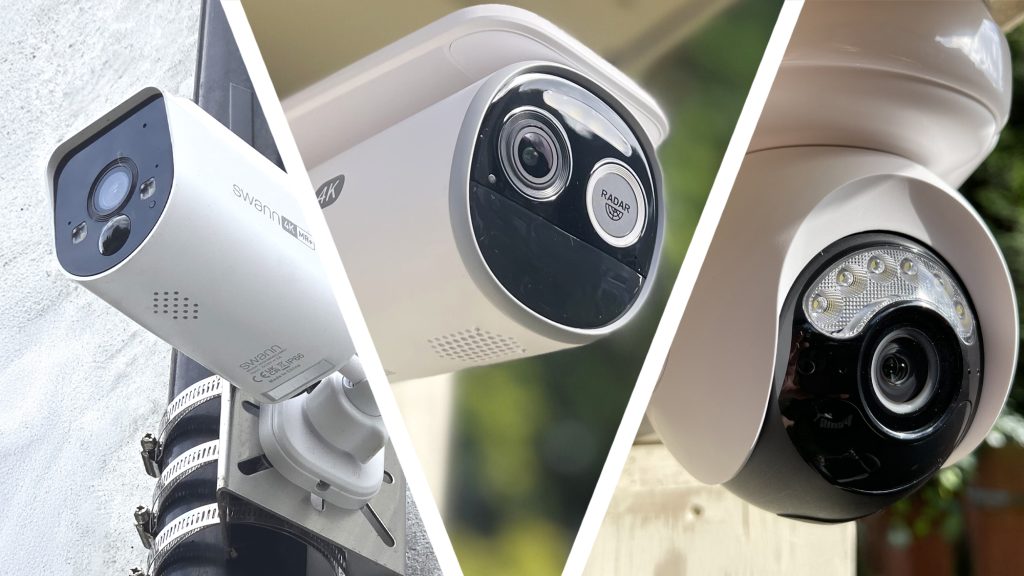
Visual monitoring plays a crucial role in modern home security by providing real-time awareness and recorded evidence. Surveillance systems today do far more than capture footage. They analyze movement, recognize patterns, and send alerts that enable immediate response. This transformation has elevated surveillance from passive observation to active protection.
Proper camera placement and configuration are essential for effective home security. Monitoring entry points, shared spaces, and exterior areas increases visibility while maintaining privacy. Advanced features such as night vision and motion detection enhance reliability, ensuring that visual awareness remains consistent regardless of lighting or time of day.
Alarm Systems as a Core Layer of Home Security
Alarm systems remain a vital component of comprehensive home security strategies. Modern alarms are designed to integrate seamlessly with other systems, providing immediate alerts and coordinated responses. Their effectiveness lies not only in detection but also in deterrence, as visible alarm systems signal that a property is actively protected.
Smart alarms reduce false triggers by adapting to household routines and environmental factors. This adaptability improves reliability and encourages consistent use. When alarms are connected to broader home security platforms, they become part of an intelligent network that enhances overall responsiveness.
Smart Lighting and Its Impact on Home Security
Lighting is often underestimated in home security planning, yet it plays a powerful role in deterrence and visibility. Well-designed lighting eliminates hiding places and increases awareness of surroundings. Smart lighting systems enhance this effect by introducing automation and remote control capabilities.
By simulating occupancy and responding to motion, smart lighting supports home security even when residents are away. Integration with cameras and alarms further strengthens its impact, creating coordinated responses that increase deterrence and awareness simultaneously.
Integration and Automation in Home Security Systems
The most effective home security systems are those that operate as unified ecosystems rather than isolated devices. Integration allows different components to share information and respond collectively to events. This coordination reduces response time and enhances overall effectiveness.
Automation transforms home security from reactive to proactive. Systems can lock doors, activate lighting, or adjust surveillance based on predefined conditions. This intelligent behavior reduces reliance on manual intervention while maintaining consistent protection.
Privacy and Data Considerations in Home Security
As home security systems become more connected, data privacy becomes increasingly important. Cameras, sensors, and smart devices collect sensitive information that must be protected from unauthorized access. Responsible home security planning includes understanding how data is stored, encrypted, and managed.
Choosing systems with transparent policies and strong security measures helps ensure that protection does not come at the expense of privacy. Maintaining control over data access strengthens trust in home security technology and supports long-term use.
Professional Monitoring Versus Self-Monitoring
Homeowners must decide whether professional monitoring or self-monitoring best fits their needs. Professional monitoring offers constant oversight and emergency response, providing reassurance for those who prefer hands-off management. Self-monitoring offers flexibility and control, allowing homeowners to manage alerts and responses directly.
Both approaches can support effective home security when implemented thoughtfully. The right choice depends on lifestyle, availability, and comfort with technology. Understanding these options allows homeowners to align security strategies with realistic expectations.
Maintaining and Upgrading Home Security Over Time
Home security is not a one-time installation but an ongoing process. Regular maintenance ensures that systems function correctly and remain effective against evolving threats. Software updates, equipment checks, and periodic reassessments help maintain reliability.
Upgrading home security does not always require complete system replacement. Incremental improvements can enhance performance while preserving existing investments. Staying informed about advancements allows homeowners to adapt their security strategies without unnecessary disruption.
Conclusion
Home security is a dynamic and essential aspect of modern living that extends far beyond basic protection. A smart approach combines planning, technology, and ongoing maintenance to create a resilient system that adapts to changing needs. By understanding risks, integrating intelligent solutions, and prioritizing privacy, homeowners can protect their spaces effectively and confidently.
At Deep Dive Picks, we believe that informed decisions lead to better outcomes. A well-designed home security strategy safeguards not only property but also peace of mind, personal privacy, and long-term value. Protecting your home the smart way is an investment in safety, stability, and confidence for the future. You can find more details on our homepage.
Frequently Asked Questions
What is the first step in improving home security?
The first step in improving home security is assessing the specific risks associated with the property. Understanding entry points, visibility, and daily routines helps identify vulnerabilities and design targeted solutions.
How does smart technology improve home security?
Smart technology improves home security by enabling real-time monitoring, automation, and system integration. These features allow faster response and proactive protection rather than reactive measures.
Are modern home security systems safe to use?
Modern home security systems are generally safe when configured correctly. Using strong passwords, secure networks, and reputable providers significantly reduces security risks.
How often should home security systems be reviewed?
Home security systems should be reviewed regularly, especially when household routines change or software updates are released. Ongoing review ensures consistent performance and reliability.
Is professional monitoring necessary for effective protection?
Professional monitoring is not mandatory for effective home security, but it can provide additional reassurance. The decision depends on individual preferences, lifestyle, and comfort with self-monitoring options.