
Mots-C Peptide Explained: Mitochondrial Signaling and Metabolic Health
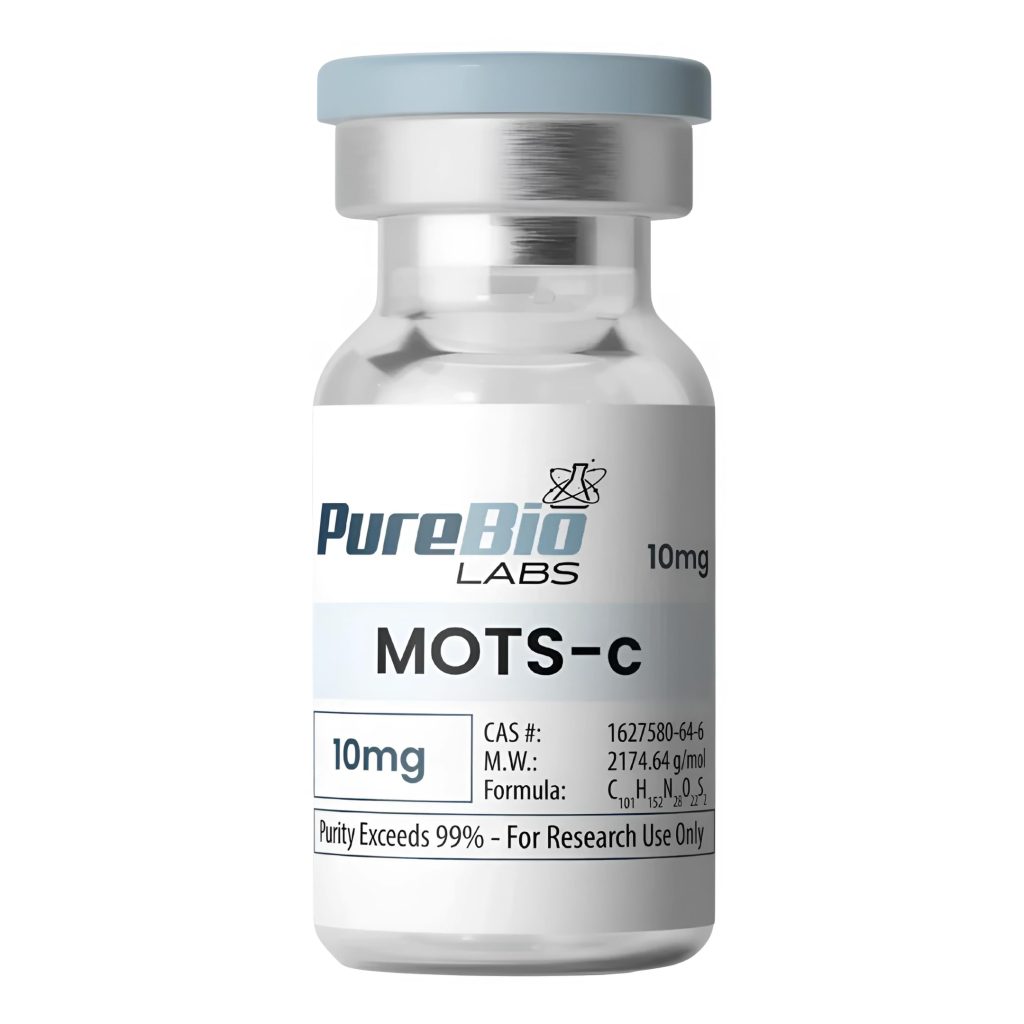
- Introduction to Mitochondrial-Derived Peptides
- Discovery and Biological Significance
- Mitochondrial Signaling Pathways
- Role in Metabolic Health
- Cellular Energy Balance and Stress Response
- Exercise and Performance Adaptation
- Implications for Aging and Longevity
- Potential Therapeutic Applications
- Conclusion
Introduction to Mitochondrial-Derived Peptides
Mots-C is a small mitochondrial-derived peptide that has gained scientific attention for its role in metabolic regulation and cellular energy balance. Unlike traditional peptides encoded in nuclear DNA, Mots-C originates from mitochondrial DNA, highlighting a unique communication pathway between mitochondria and the nucleus. Researchers view Mots-C as a signaling molecule that helps cells adapt to metabolic stress and changing energy demands.
Discovery and Biological Significance
The discovery of Mots-C reshaped understanding of mitochondrial function beyond energy production. Scientists found that Mots-C acts as a metabolic regulator that responds to nutrient availability and cellular stress. By influencing gene expression, Mots-C supports metabolic flexibility, allowing cells to adjust fuel utilization during fasting, exercise, or metabolic imbalance.
Mitochondrial Signaling Pathways
Mots-C operates through mitochondrial-to-nuclear signaling, a process known as retrograde communication. When metabolic stress occurs, Mots-C translocates to the nucleus where it interacts with transcription factors involved in stress response and metabolism. This signaling mechanism enables Mots-C to influence pathways related to glucose uptake, fatty acid oxidation, and antioxidant defense.
Role in Metabolic Health
Research indicates that Mots-C plays a vital role in maintaining metabolic homeostasis. Studies suggest that Mots-C improves insulin sensitivity by enhancing glucose utilization in skeletal muscle and other tissues. Through these effects, Mots-C may help counteract metabolic disorders linked to insulin resistance and impaired energy regulation.
Cellular Energy Balance and Stress Response
Cells rely on adaptive mechanisms to survive energetic stress, and Mots-C contributes to this resilience. Experimental models show that Mots-C activates pathways associated with cellular protection, including AMP-activated protein kinase (AMPK). By activating AMPK, Mots-C promotes energy efficiency and supports survival during low-energy conditions.
Exercise and Performance Adaptation
Emerging evidence connects Mots-C to physical performance and exercise adaptation. During physical stress, Mots-C levels increase, supporting improved endurance and metabolic efficiency. Animal studies suggest that Mots-C enhances exercise capacity by optimizing mitochondrial metabolism and reducing oxidative stress in muscle tissue.
Implications for Aging and Longevity
Aging is closely associated with mitochondrial decline, and Mots-C has become a molecule of interest in longevity research. Scientists have observed age-related changes in Mots-C expression, linking it to lifespan regulation. By improving mitochondrial communication and stress tolerance, Mots-C may contribute to healthier aging processes.
Potential Therapeutic Applications
Due to its broad metabolic effects, Mots-C is being explored for potential therapeutic applications. Researchers are investigating Mots-C in the context of metabolic syndrome, obesity, and age-related metabolic decline. Although clinical applications remain under investigation, Mots-C represents a promising target in mitochondrial medicine.
Conclusion
Mots-C exemplifies the evolving understanding of mitochondria as signaling hubs rather than simple power generators. Through its influence on metabolic health, stress adaptation, and energy balance, Mots-C offers valuable insight into cellular resilience and mitochondrial communication. As research progresses, Mots-C may play an important role in future strategies aimed at improving metabolic health and longevity.