
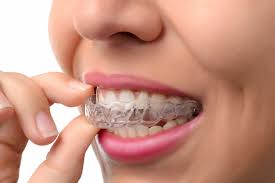
Why Wearing a Retainer After Braces Is Important
Orthodontic treatment works by slowly moving teeth into their ideal positions. ceramic braces the surrounding bone and tissues still need time to stabilise. During this phase, teeth are more likely to shift.
Teeth Naturally Shift Over Time
Even after braces are removed, teeth remain mobile within the jawbone. Without a retainer to hold them in place, they may gradually drift back. Wearing a retainer helps maintain the corrected alignment while the bone fully adapts.
Protecting Orthodontic Results
A retainer plays a critical role in preserving the outcome of orthodontic treatment. Consistent use ensures that all the time and effort spent achieving straight teeth is not lost due to unwanted movement.
How Long Should You Wear a Retainer?
One of the most common questions patients ask is how long they must continue wearing a retainer after braces. The answer often depends on the individual treatment plan and orthodontist’s recommendations.
The First Few Months After Braces
Immediately after braces are removed, wearing a retainer full time is usually necessary. Most orthodontists recommend wearing a retainer day and night, removing it only when eating or brushing your teeth. This stage is essential because the teeth are still adjusting to their new positions.
Long-Term Retainer Use
After several months of full-time wear, patients typically transition to wearing a retainer only at night. Night-time wear helps ensure that teeth remain in their proper alignment. Many orthodontists recommend wearing a retainer indefinitely during sleep to prevent gradual shifting over time.
Factors That Affect Retainer Duration
The length of time you need to wear a retainer can vary depending on several factors.
Age and Bone Structure
Younger patients often experience faster bone adaptation after orthodontic treatment. However, even adults benefit from long-term retainer use to maintain alignment.
Severity of the Original Misalignment
If the teeth required significant movement during treatment, wearing a retainer consistently becomes even more important. This helps prevent the teeth from returning to their previous positions.
Type of Retainer Used
Different types of retainer designs may influence how long they need to be worn. Some retainers are removable, while others are fixed behind the teeth and provide continuous support.
Types of Retainer Options After Braces
Orthodontists may recommend different types of retainer depending on the patient’s needs and lifestyle.
Removable Retainer
A removable retainer can be taken out while eating or brushing your teeth. It is easy to clean and comfortable to wear, but it requires discipline to ensure it is used consistently.
Fixed Retainer
A fixed retainer is bonded behind the teeth and remains in place permanently. Because it cannot be removed, this type of retainer provides continuous support for maintaining alignment.
Clear Retainer
A clear retainer is made from transparent material that fits snugly over the teeth. This option is popular for its discreet appearance and comfortable fit.
Signs You Need to Wear Your Retainer More Often
Sometimes patients may notice subtle changes in their teeth if they stop wearing their retainer regularly.
Tightness When Wearing the Retainer
If your retainer feels tight after not wearing it for a while, it could indicate that your teeth have started to shift slightly.
Minor Changes in Alignment
Small gaps or slight crowding can appear if a retainer is not worn as directed. Wearing the retainer consistently can help correct minor shifts before they become more noticeable.
Tips for Maintaining Your Retainer
Taking proper care of your retainer ensures that it remains effective and comfortable.
Clean Your Retainer Daily
A retainer should be cleaned regularly using a soft toothbrush and mild cleanser. This helps prevent plaque buildup and keeps it hygienic.
Store It Safely
When not in use, always keep your retainer in its protective case. This prevents accidental damage or loss.
Follow Your Orthodontist’s Instructions
Every patient’s orthodontic journey is unique. Following professional guidance ensures that your retainer continues to support your smile effectively.
Conclusion
Achieving straight teeth with braces is only part of the orthodontic journey. Maintaining those results requires ongoing care, and wearing a retainer plays a vital role in preserving your new smile. From preventing teeth from shifting to ensuring long-term stability, a retainer helps protect the effort invested in orthodontic treatment. By wearing your retainer consistently and following expert advice, you can keep your teeth beautifully aligned and enjoy the confidence that comes with a lasting, healthy smile.