Introduction to Structural Steel Fabrication
Structural steel fabrication is a critical component in the construction and engineering sectors, involving a meticulously defined process of preparing and altering steel components according to precise specifications. This process encompasses the cutting, bending, and assembling of steel materials, ultimately transforming raw steel into functional structures that form the backbone of buildings, bridges, and other infrastructure. Understanding the process and significance of structural steel fabrication is essential, not just for industry professionals, but also for stakeholders in various sectors who rely on it for their projects.
Definition and Importance of Structural Steel Fabrication
At its core, structural steel fabrication refers to the processes involved in manufacturing steel components that will support or form part of structures. The importance of this fabrication process cannot be overstated, as it ensures that buildings are strong, durable, and able to withstand various forces such as gravity, wind, and seismic activity. Fabrication transforms raw steel into beams, columns, and other structural elements, tailored specifically for a given architectural design.
Moreover, structural steel fabrication plays a pivotal role in ensuring safety and compliance with building regulations. Every fabricated piece must meet stringent quality standards to prevent structural failures that could lead to costly repairs or, worse, endanger lives.
History and Evolution of Fabrication Techniques
The history of structural steel fabrication can be traced back to the industrial revolution, when iron and later steel became preferred materials for construction due to their strength and flexibility. Early fabrication techniques were rudimentary and relied heavily on manual labor—a time-consuming and labor-intensive process. However, over the decades, advancements in technology led to the automation of many fabrication processes.
With innovations such as Computer Numerical Control (CNC) machinery, robots, and software-driven design tools, modern fabrication techniques have greatly improved efficiency and precision. Today, the process often incorporates advanced technology such as 3D modeling and Building Information Modeling (BIM) to streamline operations from design through to the final assembly.
Key Applications in Various Industries
Structural steel fabrication finds application across a variety of sectors, each with unique requirements and challenges. Notably:
- Construction: Buildings, bridges, and structural frameworks rely heavily on robust steel elements.
- Aerospace: Light and high-strength steel structures are critical in manufacturing aircraft components.
- Automotive: Steel fabrication is integral in creating vehicle frames, body panels, and brackets.
- Energy: Wind turbines and power plants require specialized steel fabrication for structural integrity and efficiency.
- Shipbuilding: The maritime industry uses steel fabrication for hulls, decks, and superstructures.
Core Processes of Structural Steel Fabrication
Cutting Techniques Used in Structural Steel Fabrication
Cutting is one of the initial steps in the structural steel fabrication process and can be executed using various methods:
- Shearing: A method that uses a blade to cut steel sheets into required shapes.
- Plasma Cutting: This process utilizes a high-velocity jet of ionized gas to cut through metal with high precision.
- Lasers: Laser cutting is known for its accuracy and ability to produce intricate shapes without mechanical contact.
- Waterjet Cutting: High-pressure water mixed with abrasive materials is used to cut thick steel, providing a clean edge without thermal distortion.
The choice of cutting technique is influenced by the specific requirements of the project, including material thickness, complexity of the cuts, and overall volume.
Bending and Shaping Methods
Once cutting is completed, the next stage often involves bending and shaping the steel components to meet design specifications. Common techniques include:
- Press Braking: This method forms a bend using a hydraulic press, allowing for consistent and precise angles.
- Roll Bending: Steel is passed through a series of rollers to achieve curves or cylindrical shapes.
- Cold Bending: This technique allows steel to be shaped at room temperature, maintaining mechanical properties without compromising strength.
The bending process is crucial as it determines the load-bearing characteristics and aesthetic aspect of the final product.
Welding and Assembly Processes
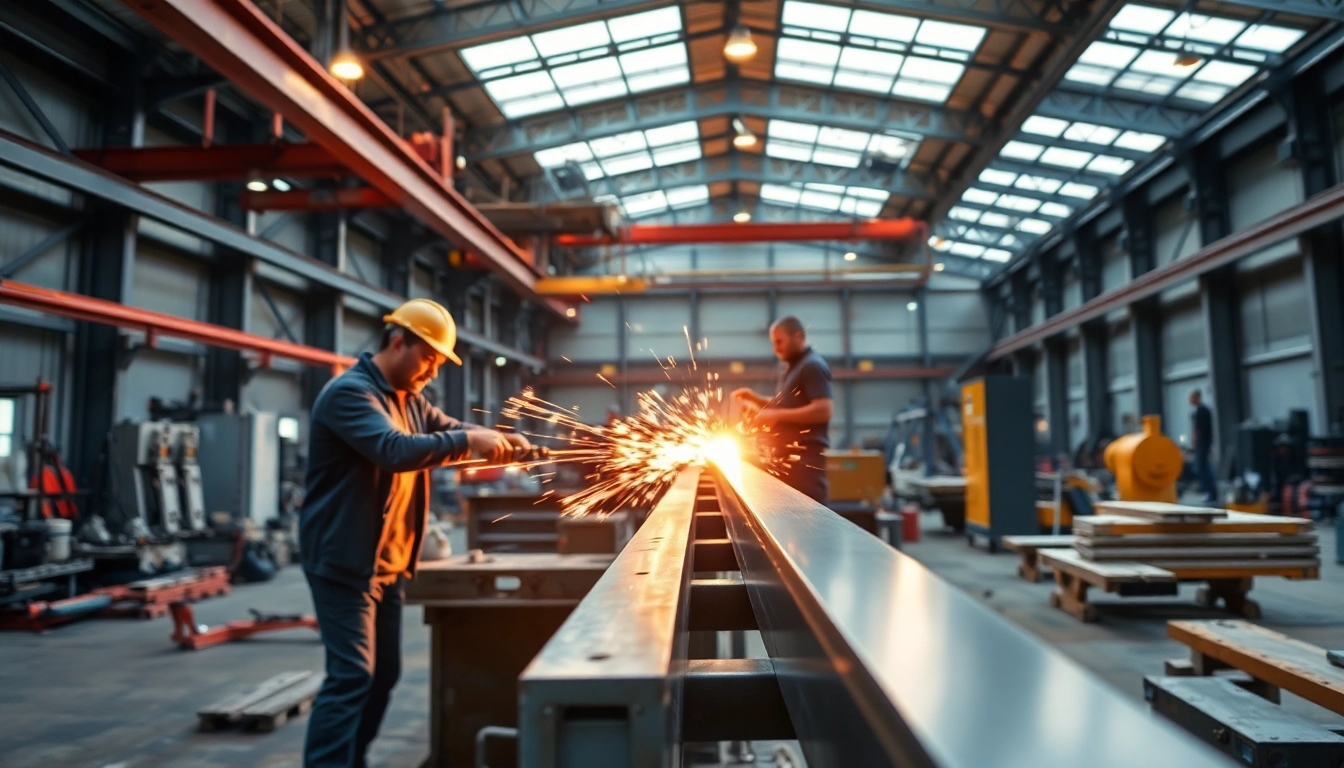
Welding is an integral part of the fabrication process, used to join multiple steel components into a single structure. The following are key welding methods:
- MIG Welding (Metal Inert Gas): This process is ideal for thick materials due to its speed and adaptability.
- TIG Welding (Tungsten Inert Gas): Best suited for thinner sections, this method provides excellent control and high-quality welds.
- Stick Welding: A versatile method commonly used for outdoor applications where conditions are less than ideal.
After welding, the assembly process finalizes the fabrication, ensuring that the complete structure aligns with engineering specifications.
Materials and Tools in Structural Steel Fabrication
Common Materials Used in Fabrication
The primary material used in structural fabrication is structural steel, with several types offering varying strengths and properties. Common grades include:
- ASTM A36: A mild steel often used in construction due to its excellent weldability and cost-effectiveness.
- ASTM A992: This grade is commonly used for steel beams and columns and boasts high ductility and strength.
- Stainless Steel: Known for its corrosion resistance, it is frequently used in applications requiring durability and aesthetic appeal.
Each type has its suitability depending on the application, environmental conditions, and required strength characteristics.
Types of Machinery Required for Structural Steel Fabrication
The structural steel fabrication process necessitates the use of specialized machinery to carry out the various tasks effectively. Essential equipment includes:
- Cutting Machines: CNC plasma cutters and laser cutters are pivotal for precise cutting.
- Press Brakes: These machines facilitate bending operations efficiently.
- Welding Equipment: MIG, TIG, and stick welding machines are used for different fabrication requirements.
- Rollers: Equipment for achieving curves and complex shapes in steel.
- Material Handling Equipment: Cranes, hoists, and forklifts are crucial for moving and positioning heavy materials.
The integration of advanced machines enhances productivity while preserving the quality of fabricated structures.
Safety Equipment and Protocols
Safety in structural steel fabrication cannot be overstated. Workers are exposed to various risks, including heavy machinery operation and falling objects. Essential safety equipment includes:
- Protective Helmets: To shield against head injuries from falling materials.
- Safety Glasses: To protect the eyes from sparks during cutting and welding.
- Respirators: These are necessary when working with materials that produce hazardous fumes.
- Steel-Toed Boots: Designed to protect the feet from heavy objects and reduce the risk of injuries.
Alongside personal protective gear, strict adherence to safety protocols and regular training can significantly reduce workplace accidents.
Challenges and Solutions in Structural Steel Fabrication
Managing Costs in Structural Steel Fabrication
Cost management is a perennial challenge in structural steel fabrication. Factors influencing costs include material prices, labor charges, and operational expenses. To cope with these challenges, companies can:
- Implement Lean Manufacturing Principles: Streamlining processes to reduce waste and improve efficiency can cut costs significantly.
- Invest in Technology: Automation and advanced fabrication techniques can reduce labor costs and production time.
- Bulk Purchasing: Buying materials in larger quantities can yield discounts, aiding in overall cost control.
By embracing strategic planning and continuous improvement, companies can mitigate cost challenges while maintaining quality.
Quality Control and Compliance Standards
Quality control is essential to ensure that fabricated structures meet specific industry standards and safety regulations. Implementing a robust quality control system involves:
- Regular Inspections: Conducting in-process inspections and final evaluations to identify defects early.
- Adherence to Standards: Compliance with industry norms such as ASTM and ISO standards to guarantee product quality.
- Training and Certification: Ensuring all personnel are adequately trained and certified in their respective roles enhances the quality assurance process.
Investing in quality management not only reduces the likelihood of rework but also builds trust among clients and stakeholders.
Sustainability Practices in Steel Fabrication
The growing emphasis on sustainability has led to a shift in how fabricators operate. Key sustainable practices include:
- Material Recycling: Many steel components can be reused or recycled, significantly reducing waste.
- Energy-Efficient Operations: Utilizing energy-efficient machinery and processes to reduce the carbon footprint.
- Sustainable Sourcing: Selecting materials from suppliers who prioritize sustainable practices contributes to a positive environmental impact.
Emphasizing sustainability not only aligns with global efforts to combat climate change but also enhances a company's reputation and appeal in a conscientious marketplace.
Future Trends in Structural Steel Fabrication
Technological Innovations and Their Impact
As we move forward, the landscape of structural steel fabrication is likely to be profoundly shaped by technological advancements. Notable trends include:
- Automation: Further integration of robots in handling and welding can optimize production processes and reduce labor costs.
- 3D Printing: This emerging technology might revolutionize how complex steel components are fabricated, offering bespoke solutions.
- Artificial Intelligence: AI can be employed in project management and design optimization, enhancing decision-making processes.
These technologies provide fabricators with the tools necessary to enhance accuracy, reduce timeframes, and lower costs.
Market Trends Influencing Structural Steel Fabrication
The structural steel fabrication market is influenced by a variety of economic and environmental factors, including:
- Rise in Construction Activities: Urbanization and infrastructure development are driving demand for fabricated steel components.
- Sustainability Initiatives: A focus on sustainable building practices is pushing for innovative approaches in fabrication.
- Global Supply Chain Dynamics: Fluctuations in raw material availability and pricing can significantly impact fabrication operations.
Staying attuned to these trends can help fabricators adapt to market demands and optimize their service offerings.
Predicted Developments in Fabrication Practices
Looking ahead, several predictions can be made regarding the evolution of fabrication practices:
- Increased Use of Digital Twin Technology: This approach can facilitate better project management and predictive maintenance.
- Greater Focus on Customization: Fabricators may find themselves working more with clients to provide tailored solutions that meet specific project needs.
- Enhanced Collaboration Platforms: Digital tools that enable real-time collaboration among architects, engineers, and fabricators will likely become commonplace.
These developments illustrate a promising future for structural steel fabrication, one that emphasizes efficiency, responsiveness, and technological integration.