Introduction to Structural Steel Fabrication
Structural steel fabrication involves transforming raw steel into functional structures through various processes. These fabricated components range from beams and columns to intricate frameworks that form the backbone of numerous construction projects. Understanding the fundamentals of structural steel fabrication is essential for architects, engineers, and procurement specialists in the construction industry, as it plays a pivotal role in ensuring both the safety and functionality of modern structures.
Definition of Structural Steel Fabrication
Structural steel fabrication is the process of converting raw steel materials into completed steel structures or components. This involves several stages, including cutting, shaping, welding, and assembling various steel elements to meet specified design requirements. Utilizing advanced machinery and skilled labor, structural steel fabricators produce items that are critical in a wide array of construction applications, ensuring that they are precisely engineered to meet the desired specifications.
Importance in Construction
The significance of structural steel fabrication in construction cannot be overstated. Steel has always been a primary choice for construction for its strength, durability, and flexibility. Fabricated structural steel is crucial for the structural integrity of high-rise buildings, bridges, and industrial facilities. Moreover, the reliability of fabricated steel ensures that structures can withstand natural stresses, heavy loads, and seismic activity, vital for safety and functionality.
Common Applications
Structural steel fabrication finds its application in numerous sectors, including:
- Commercial Buildings: Office towers and retail spaces utilize steel frameworks for stability and design flexibility.
- Infrastructure Projects: Bridges, highways, and rail systems rely on structural steel for essential support elements.
- Manufacturing Facilities: Factories and warehouses are built with structural steel to optimize space and handling.
- Residential Construction: Innovative home designs increasingly incorporate structural steel for aesthetic and functional benefits.
Key Processes in Structural Steel Fabrication
The fabrication process of structural steel involves several key techniques and methodologies that ensure precision and quality throughout production. Understanding these processes is crucial for assessing quality and achieving client satisfaction.
Cuts and Shapes: Techniques and Tools
Precision cutting and shaping are fundamental to structural steel fabrication. Here are some of the most common techniques:
- Laser Cutting: This technique uses a high-powered laser to cut steel with precision, resulting in clean edges and minimal waste. Laser cutting is particularly beneficial for complex designs.
- Waterjet Cutting: Utilizing high-pressure water mixed with abrasives, this method allows for intricate cuts without thermal distortion, making it suitable for a variety of steel thicknesses.
- Plasma Cutting: This method uses ionized gas to melt steel, providing rapid cutting capabilities for large sections of steel, particularly in the initial stages of fabrication.
- Band Saw Cutting: This conventional method employs band saws to slice through steel, ideal for straight cuts in higher volume applications.
Assembly Methods: Welding vs. Bolting
Once steel components are cut and shaped, they must be assembled. The primary methods used in the assembly process include:
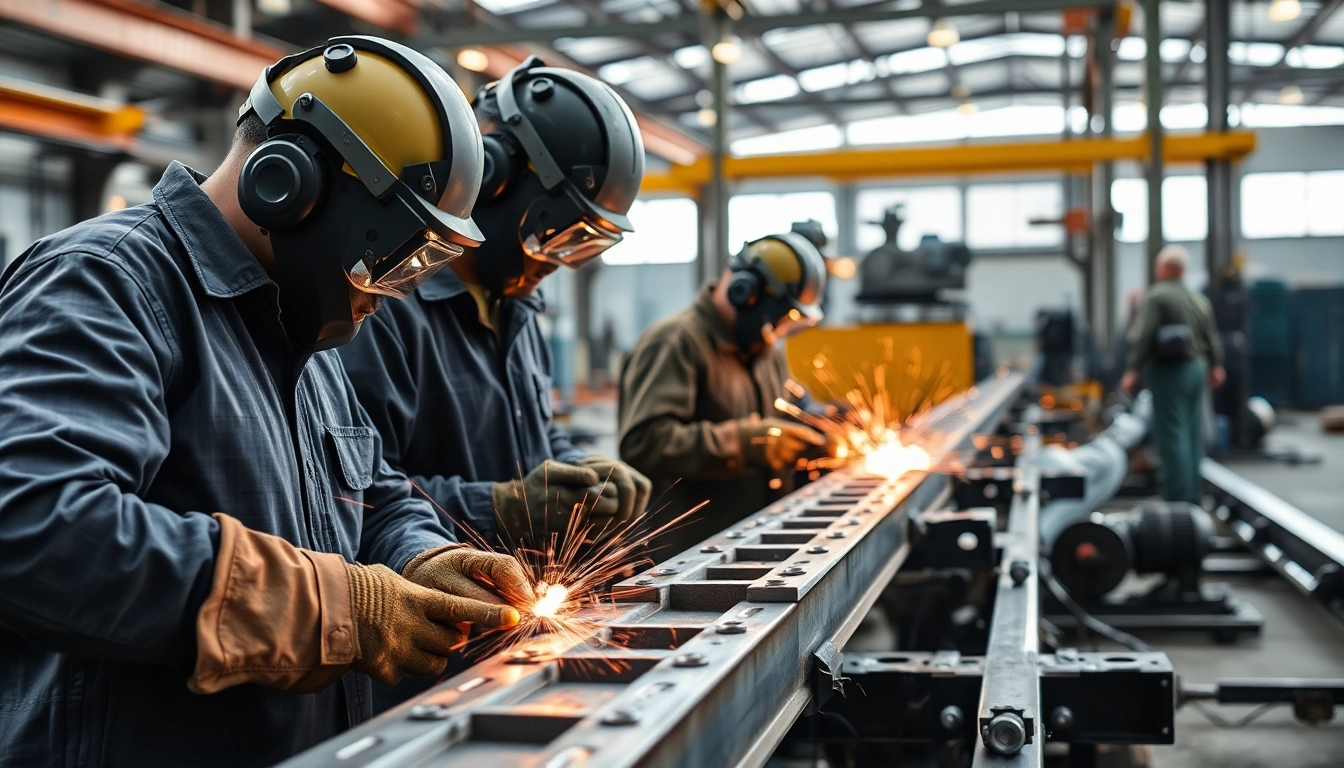
- Welding: A prevalent technique that involves melting adjacent steel pieces together, creating a strong joint. Various welding methods, such as MIG and TIG, offer versatility depending on the project requirements.
- Bolting: This method involves connecting steel components with bolts, enabling easy assembly and disassembly. It is often preferred in scenarios where flexibility or structural modifications may be necessary in the future.
Finishing Techniques for Steel
Finishing touches are crucial for protecting steel from corrosion and enhancing its aesthetic appeal. These may include:
- Painting: Protective coatings are often applied to prevent rust and wear.
- Galvanization: A process that involves coating steel with zinc to protect against corrosion, particularly in outdoor applications.
- Shot Blasting: Used to clean steel surfaces before coating, ensuring better adhesion and protection.
Best Practices for Quality Assurance
Quality assurance in structural steel fabrication is essential for the integrity and longevity of structures. Implementing best practices across various stages of fabrication helps to maintain high-quality standards.
Understanding Safety Standards
Adhering to safety standards is critical in steel fabrication. Organizations must comply with local regulations and international standards, such as the American Institute of Steel Construction (AISC) and Occupational Safety and Health Administration (OSHA) guidelines. Regular safety training and protocols enhance worker safety and minimize risks associated with structural fabrication operations.
Ensuring Precision and Accuracy
Utilizing advanced measurement tools and technology, such as laser scanning and CAD software, enables accurate design and fabrication. Regular inspections during the various machining and fabrication stages are vital to ensure that the final products meet exact specifications. Additionally, implementing a quality management system can help streamline processes and minimize errors.
Regular Maintenance of Equipment
Regular maintenance of machinery and tools used in structural steel fabrication is essential for preventing downtime and ensuring precision in work. Scheduled inspections, preventive maintenance protocols, and equipment updates help maintain operational efficiency and prolong the life of critical fabrication machinery.
Understanding the Market for Structural Steel Fabrication
The structural steel fabrication market is dynamic, influenced by emerging trends, challenges, and opportunities. Understanding these aspects can drive informed decision-making for businesses operating within this sector.
Market Trends and Growth Rates
Currently, the structural steel fabrication market is experiencing growth, driven by increased construction activities and infrastructure development. Factors such as urbanization and population growth contribute significantly to the demand for fabricated steel. Furthermore, innovative designs and sustainable building practices are dictating the market direction, prompting the need for advanced fabrication techniques that cater to modern architectural demands.
Challenges in Supply Chain
Supply chain challenges in the structural steel fabrication sector can impact production timelines and costs. Fluctuations in raw material prices, transportation delays, and labor shortages are common issues. Adopting just-in-time inventory practices and building strong relationships with suppliers can help mitigate these challenges. Additionally, incorporating technology and data analytics into supply chain management can provide better visibility and control.
Future Prospects in the Industry
The future of structural steel fabrication is poised for innovation. Sustainable practices such as recycling steel, utilizing eco-friendly coatings, and improving energy efficiency in fabrication processes are increasingly prioritized. Moreover, advancements in automation and robotics are expected to streamline production, reduce labor costs, and improve precision in the fabrication process. As the industry evolves, companies that embrace these changes will be better positioned to thrive.
FAQs about Structural Steel Fabrication
What is structural steel fabrication?
Structural steel fabrication is the process of transforming raw steel materials into finished parts by cutting, bending, welding, and assembling them to meet specified designs.
What techniques are used in structural steel fabrication?
Common techniques in structural steel fabrication include laser cutting, waterjet cutting, and welding, which ensure precision and quality in the final product.
What industries utilize structural steel fabrication?
Structural steel fabrication is utilized across various industries, including construction, manufacturing, and transportation, for buildings, bridges, and machinery.
What are the benefits of using structural steel?
Structural steel is known for its strength, durability, cost-effectiveness, and versatility, making it a preferred choice for large-scale construction projects.
How is the structural steel fabrication market expected to grow?
The structural steel fabrication market is anticipated to grow steadily, with increasing construction activities and infrastructure development driving the demand.