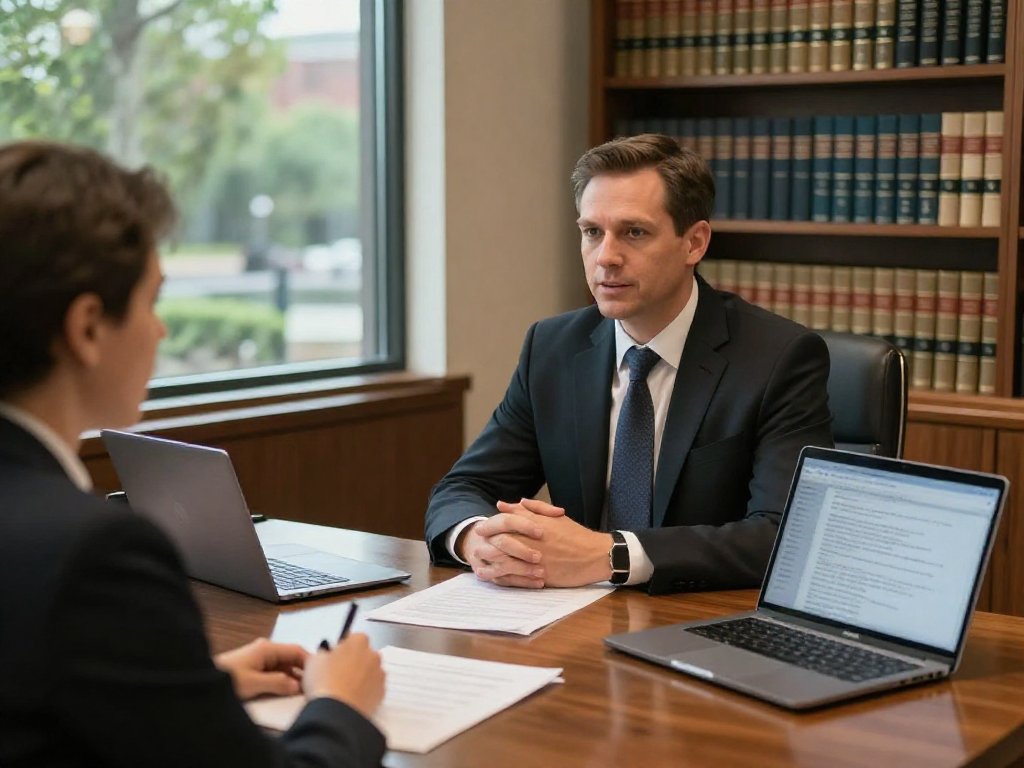
What is Probate?
Definition of Probate
Probate is the legal process that takes place after someone passes away, integrating the task of validating their will, if one exists, and distributing their estate according to their wishes or state laws. This involves several steps, including the appointment of an executor, ensuring all debts are settled, and distributing assets to the rightful heirs or beneficiaries. For many, navigating Probate can be a daunting process filled with legal jargon and emotional stress.
Importance of Probate in Estate Management
Probate serves multiple vital functions in estate management. Firstly, it provides a structured process for resolving an individual’s estate, ensuring that all debts, taxes, and claims are settled. Secondly, it acts as a safeguard against fraudulent wills or fraudulent claims on the estate, helping validate any legal documents before assets are distributed. Furthermore, probate helps clarify ownership of assets, which can mitigate disputes among heirs and create a transparent path for asset division.
Common Misconceptions about Probate
There are several misconceptions surrounding the probate process. One significant myth is that probate is always a lengthy, burdensome process. While it can be time-consuming, many estates can pass through probate efficiently, particularly if they are straightforward. Another misconception is that all assets go through probate; in reality, some assets, like those held in living trusts, joint assets, or retirement accounts with a beneficiary designation, may bypass probate altogether.
The Probate Process Explained
Steps Involved in Initiating Probate
Initiating probate begins with filing a petition in the appropriate court, which may vary depending on the deceased's residence. The steps typically include:
- Gathering necessary documents such as the will, death certificate, and asset list.
- Filing the petition for probate and notifying interested parties.
- Court hearing to validate the will and appoint the executor.
- Taking inventory of the estate's assets and setting up a bank account for handling estate finances.
- Settling debts and taxes before distributing assets to heirs.
Key Documents Required for Probate
Efficiency in the probate process is significantly aided by having the appropriate documents ready. Key documents typically include:
- The original will (if available).
- A certified copy of the death certificate.
- A list of the deceased's assets and liabilities.
- Proof of the executor’s identity.
- Financial account statements and property deeds.
Timeline of the Probate Process
The timeline for the probate process often depends on the complexity of the estate. Generally, probate can take anywhere from a few months to over a year. Factors affecting this timeline include:
- Size and complexity of the estate.
- State laws and court schedules.
- Potential disputes among heirs.
An efficient executor who maintains open lines of communication with the beneficiaries can help expedite the process, minimizing frustrations and delays.
Challenges in the Probate Process
Common Issues Faced during Probate
The probate process can be fraught with challenges, including:
- Disagreements among beneficiaries regarding the distribution of assets.
- Delays caused by outstanding debts and taxes.
- Finding and validating all assets, particularly in large or complex estates.
Disputes and Challenges in Probate
Disputes often arise in probate due to various factors, such as claims from disgruntled heirs or challenges to the validity of the will. Grounds for contesting a will might include claims of undue influence, lack of capacity, or procedural errors during the will's execution. Such disputes can prolong the process, often requiring mediation or even litigation.
How to Resolve Probate Conflicts
Resolving conflict during probate can be complex but is essential for moving forward. Here are a few strategies:
- Engaging in open dialogue with all parties involved to clarify intentions and feelings.
- Seeking mediation from a neutral third party to help facilitate discussion.
- Consulting legal counsel for advice on navigating disputes effectively, particularly regarding contested wills.
Best Practices for Navigating Probate
Finding the Right Legal Support
Securing competent legal support is crucial in navigating probate. Look for attorneys with experience in estate law and a track record of successful probate cases. Consider the following:
- Check qualifications and areas of specialization.
- Read reviews and testimonials from previous clients.
- Schedule consultations to ensure you are comfortable with their approach and demeanor.
Effective Communication with Heirs
Open and honest communication with heirs can prevent misunderstandings and tensions during the probate process. Here are ways to facilitate effective communication:
- Schedule regular updates about the probate process.
- Be transparent about estate finances and decisions made.
- Encourage questions and express willingness to discuss concerns promptly.
Maintaining Accurate Records
Keeping detailed records throughout the probate process can save time and prevent disputes. Maintain:
- A log of all financial transactions related to the estate.
- Copies of correspondence with heirs, the court, and any legal advisors.
- Documentation of decisions made and their associated rationale.
FAQs about Probate
What is the average duration of the probate process?
The average probate process can take from several months to over a year, depending on the complexity of the estate and specific circumstances.
Can I avoid probate?
Yes, probate can be avoided through mechanisms like living trusts or beneficiary designations, effectively transferring assets outside of probate.
Is probate always necessary?
Probate is not always necessary, particularly for small estates or assets held in joint tenancy, but it’s crucial in many cases.
What costs are involved in probate?
Probate may incur court fees, attorney fees, and other administrative costs that can vary significantly depending on the estate.
Can probate be contested?
Yes, probate can be contested, often due to disputes over wills or claims by heirs, which can lead to further legal complications.