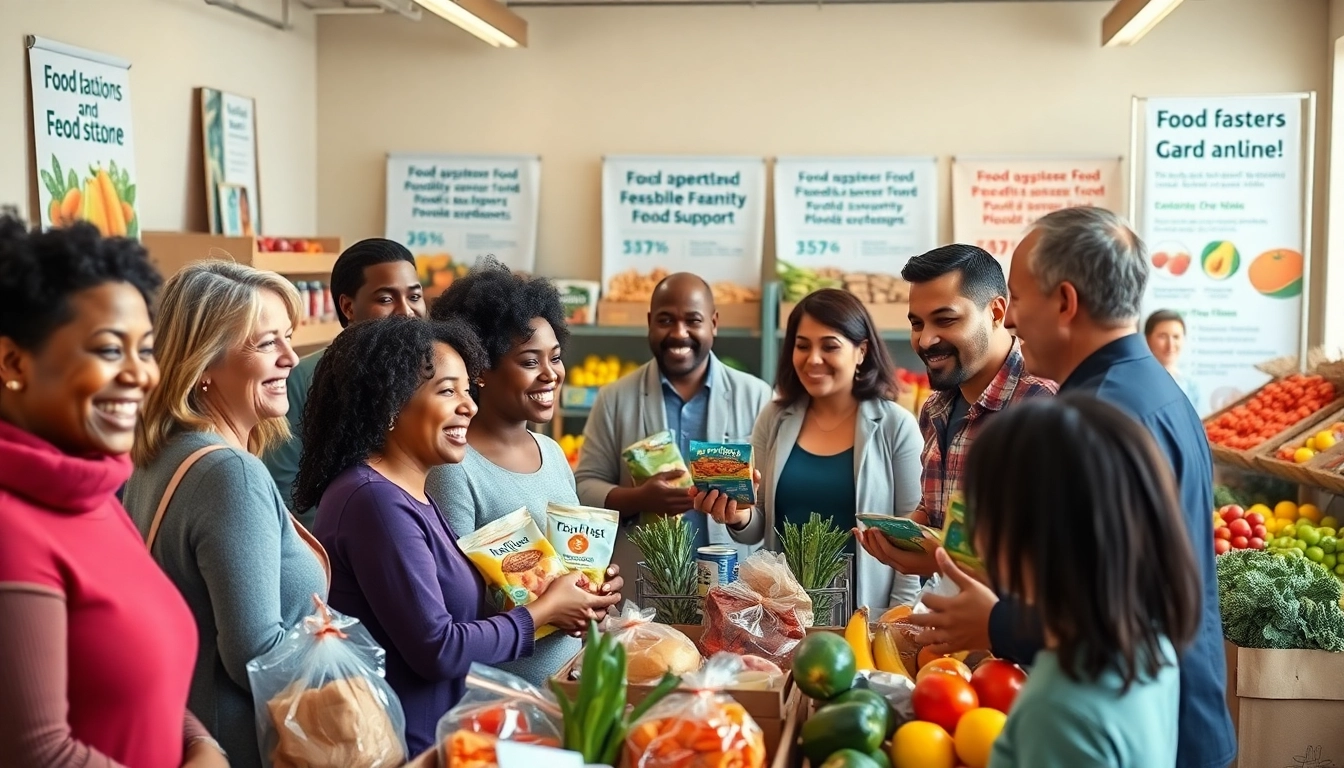
Introduction to Food Banks
Food insecurity is a pressing issue affecting millions in the United States. One of the most essential resources combatting this challenge is Food Banks. These facilities play a crucial role in providing nutritious food and support to individuals and families in need, ensuring that no one goes hungry. Understanding what food banks are, their importance in our communities, and how they operate can empower more people to both seek assistance and contribute to these vital services.
What Are Food Banks?
Food banks are nonprofit organizations that collect, store, and distribute food to those in need. These establishments do not provide food directly to clients; instead, they supply food pantries, soup kitchens, and shelters that serve individuals and families. Food banks typically partner with grocery stores, farmers, and food manufacturers to combat food waste while ensuring that surplus food reaches people who need it most. They also play a key role in emergency food distribution during crises, like natural disasters or economic downturns.
The Importance of Food Banks in Communities
Food banks are pivotal to alleviating hunger and food insecurity in local communities. They help reduce nutritional deficiency by providing access to healthy foods, which are often unaffordable for low-income families. Furthermore, food banks serve as community hubs that foster connections and support networks. They often offer additional services such as nutrition education, cooking classes, and assistance with social services, enhancing their role beyond merely providing food.
Key Statistics on Food Banks and Hunger
According to recent studies, food banks distribute billions of meals annually, reaching millions of individuals. For instance, Feeding America reported distributing over 4 billion meals each year through its network of food banks across the country. Additionally, more than 35 million people in the U.S. rely on food banks for assistance, with a significant percentage being children and elderly individuals. These statistics highlight the growing demand for food assistance and the crucial role that food banks play in meeting this need.
How Food Banks Operate
The operation of food banks is complex yet systematic. Understanding how they function sheds light on the effectiveness and efficiency of their service delivery.
Types of Food Banks
Food banks can be categorized into several types, including:
- Regional Food Banks: These are large facilities that service multiple counties and are often part of broader networks.
- Local Food Pantries: Smaller operations that generally cater to specific neighborhoods or communities.
- Mobile Food Banks: These aim to reach underserved areas by transporting food directly to communities.
- Specialty Food Banks: Focus on specific demographics, such as senior citizens, children, or those with specific dietary needs.
How Food Banks Source Their Supplies
Food banks source their food through a variety of channels. These can include:
- Food Donations: They receive surplus food from grocery stores, farmers, and manufacturers.
- Government Programs: Initiatives such as The Emergency Food Assistance Program (TEFAP) provide food to food banks from federal and state food assistance programs.
- Community Contributions: Individuals and organizations often donate food or hold food drives to support local food banks.
These diverse sourcing strategies ensure that food banks can provide a variety of products to meet the needs of their clientele.
Volunteer Roles in Food Banks
Volunteers are the backbone of food banks, assisting with various critical functions including:
- Sorting and Packing: Volunteers help sort the donated food items and pack them for distribution.
- Food Distribution: They may assist in handing out food at pantries or mobile distribution sites.
- Administrative Tasks: Some volunteers manage paperwork, data entry, and other office duties to support the organization.
Without the dedication of volunteers, food banks would face significant operational challenges.
Accessing Food Banks
Understanding how to access food banks is crucial for individuals facing food insecurity.
Eligibility Requirements for Food Banks
While eligibility can vary based on location and specific programs, most food banks primarily assess need based on income and household size. Common criteria include:
- Income below a certain threshold.
- Unemployment status or underemployment.
- Special circumstances such as disability or loss of income due to unforeseen events.
Many food banks are designed to be as inclusive as possible, with a commitment to meeting the needs of those struggling with hunger.
How to Find Your Local Food Banks
Finding local food banks can be done efficiently through online resources. Websites like Feeding America have directories that allow individuals to locate food banks by zip code. Additionally, local community organizations or churches often provide information on nearby food sources.
The Application Process for Food Assistance
Applying for food assistance usually involves filling out a simple form that assesses your needs. Some food banks may require documentation such as:
- Proof of residency.
- Identification for all household members.
- Income verification.
It’s important to note that many food banks strive to make the process as easy and user-friendly as possible, reducing barriers to access for those in need.
Supporting Food Banks
Support for food banks can take many forms, from donations to volunteer work.
Ways to Donate Food or Supplies
Individuals can contribute to food banks by donating non-perishable food items such as canned goods, pasta, and rice. Hygiene products, baby food, and fresh produce are also valuable donations. Many food banks provide a list of preferred items on their websites, making it easier for donors to understand what is needed.
Volunteer Opportunities at Food Banks
Volunteering is a rewarding way to engage with your community while supporting those in need. Most food banks welcome volunteers for tasks such as sorting, packing, and distribution. Potential volunteers can often sign up through the food bank's website or by contacting them directly.
Organizing Food Drives in Your Community
Community-driven food drives are an effective way to collect donations for local food banks. Schools, businesses, and local organizations can organize food drives to rally support. Creating awareness about food insecurity while providing a tangible way for community members to contribute helps build a cooperative spirit.
FAQs About Food Banks
Can Anyone Use Food Banks?
Yes, anyone experiencing food insecurity can access food banks, regardless of their situation. Food banks strive to assist everyone in need.
How Do I Find Food Banks Near Me?
To find food banks, you can use online directories like Feeding America's website, or contact local community organizations for assistance.
What Should I Expect When Visiting a Food Bank?
When visiting, expect a welcoming environment where you can request food assistance without judgment. Staff will guide you through the process.
Are There Specific Hours for Food Banks?
Yes, food banks operate during set hours that can vary by location. It's best to check their website or call ahead to confirm hours.
How Can I Help My Local Food Bank Further?
In addition to donating food or time, you can promote awareness about food banks in your community and advocate for support among your networks.