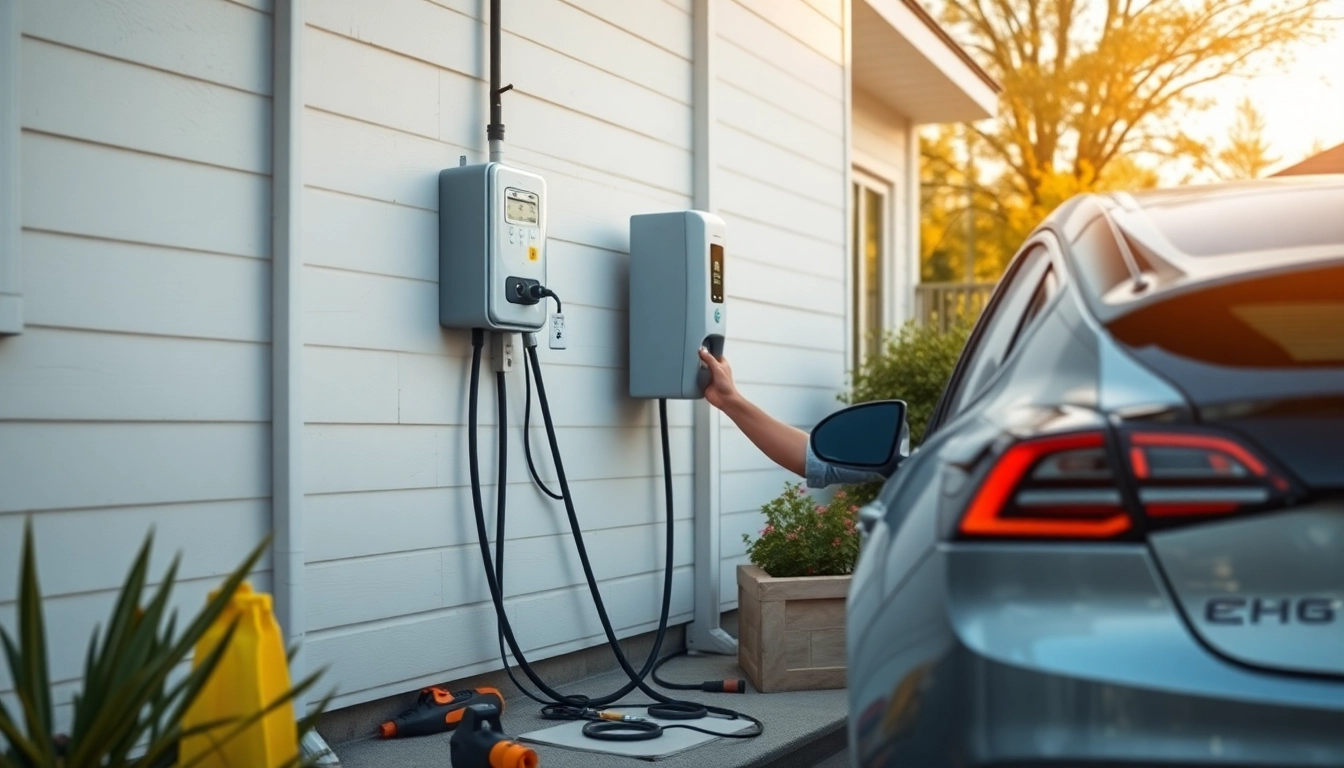
What Influences EV Charger Installation Cost?
Understanding the EV charger installation cost isn't as straightforward as it may seem. Various factors come into play that can significantly impact the overall price of the installation process. From the type of charger selected to the specific requirements of your home, several elements will dictate the final bill. In this section, we'll delve into the various components influencing costs, helping homeowners make informed decisions about their EV charging systems.
1. Factors Affecting Pricing
The cost of installing an EV charger is determined by several factors including charger type, installation complexity, and local labor rates. Generally, you'll encounter a range of pricing depending on your needs:
- Charger Type: Level 1 chargers, which can plug into a standard wall outlet, are typically less expensive to install. In contrast, Level 2 chargers, requiring a dedicated circuit, may incur higher installation costs due to increased electrical work.
- Installation Complexity: The condition of your current electrical system and its compatibility with EV chargers can affect the installation cost. Older homes may require upgrades to the electrical panel or wiring, leading to higher labor and material costs.
- Geographical Location: Labor costs can vary across regions. Urban areas may present higher rates due to demand, whereas rural locations might be less expensive.
2. Understanding Labor and Material Costs
Labor and materials compose the bulk of installation expenses. Labor costs can range from $50 to $150 per hour, depending on the electrician's experience and the complexity of the installation. Additionally, the materials needed for an installation, such as wiring, circuit breakers, and the charger itself, contribute to the final price. Typically, homeowners may anticipate spending:
- Material Costs: $500 to $2000, depending on the charger brand and requirements.
- Labor Costs: $300 to $800, based on regional rates and installation duration.
Thus, a typical EV installation can range from $800 to $3,000, depending on the factors discussed.
3. The Impact of Home Electrical Systems
Your home's electrical system plays a critical role in determining the EV charger installation cost. Older homes may need extensive electrical upgrades to meet the demands of a modern EV charger. Here are a few considerations:
- Panel Capacity: If your electrical panel is outdated or too small, you may need to upgrade it to accommodate the new charger.
- Wiring Compatibility: The existing wiring might not be suitable for high-powered chargers, necessitating a complete overhaul of your electrical setup.
- Distance from Power Source: The physical distance between your electrical panel and the installation site can influence wiring costs; longer distances often result in higher labor costs.
Types of EV Chargers and Their Costs
When selecting an EV charger, understanding the differences and costs associated with each type is crucial. With various options available, homeowners can choose based on their budget and charging needs.
1. Level 1 vs. Level 2 Charging Stations
Level 1 chargers use a standard 120-volt outlet, which makes them less expensive and easier to install, typically costing around $300-$600. However, they charge vehicles at a much slower rate, usually providing about 3-5 miles of range per hour. In contrast, Level 2 chargers require a dedicated 240-volt circuit, which is more expensive to install, ranging from $800 to $3,000. This type of charger is ideal for daily drivers, providing about 10-60 miles of range per hour, thus reducing overall charging time.
2. Comparing Costs of Different Charger Brands
There are numerous brands of EV chargers available, each with varying costs and features. Popular brands such as Tesla, ChargePoint, and Zappi offer reliable options but differ in price and features:
- Tesla Wall Connector: Approximately $500 for the unit, installation costs may add $600-$1,000.
- ChargePoint Home Flex: Priced around $700, with installation costs typically between $300 and $800.
- Zappi Charger: Ranges from $1,000 to $1,500, installation typically incurs additional costs.
Choosing the right brand often depends on specific functionalities, compatibility with your vehicle, and personal budget.
3. Choosing the Right Charger for Your Needs
Choosing the correct EV charger involves understanding your driving habits, home electrical system, and budget. Consider the following:
- If you have a long commute, investing in a Level 2 charger may be worthwhile for quicker charging times.
- Assess your home’s electrical capacity to determine whether you can accommodate a Level 2 charger.
- Consider government incentives or rebates that can significantly offset costs when purchasing a charger.
The EV Charger Installation Process Explained
Once you've settled on a charger, the installation process begins. Understanding the steps involved leads to a smoother experience.
1. Getting Your Initial Quote
The first step involves obtaining a quote from a certified electrician. This usually entails submitting an online form with details about your home and your desired charger’s specifications. Certified electricians will then evaluate your needs and work to provide a comprehensive quote, outlining material and labor costs.
2. Site Assessment and Preparation
After accepting the initial quote, a site assessment is typically conducted. This process will evaluate your home’s electrical capacity and determine the most suitable installation method. If modifications to your electrical system are necessary, this is the stage at which they will be identified.
3. Installation Day: What to Expect
On the installation day, the electricians will arrive to install the charger. Expect the following:
- Disconnecting any electrical components as needed.
- Installing the charger, which usually takes 2-4 hours.
- Testing the charger to ensure it operates correctly and safely.
- Issuing a Certificate of Electrical Safety upon successful installation.
Common FAQs About EV Charger Installation Cost
Many homeowners have common concerns regarding the costs associated with installing EV chargers. Addressing these may clarify some apprehensions.
1. Are There Hidden Charges?
Transparency is crucial when dealing with installation costs. Reputable companies provide detailed quotes, ensuring there are no hidden fees. However, it’s prudent to clarify any uncertainties before proceeding.
2. What If I Already Have a Charger?
If you already own a compatible charger, installation costs may decrease, as you might only need the labor for the setup. In this case, it’s essential to confirm that your charger meets safety regulations and is suitable for your home network.
3. How Long Does Installation Take?
On average, most installations take between 2-4 hours but can vary based on your home's current electrical setup and the complexity of the installation. Make sure you reserve sufficient time for the process on installation day.
Future Trends in EV Charger Installations
With advancements in technology, the landscape of EV charger installations is rapidly evolving. Consider these emerging trends that may influence the industry.
1. Innovations in Charging Technology
New technologies continue to emerge in EV charging, such as ultra-fast chargers and smart chargers that optimize the charging process based on your energy needs and rates. These innovations will likely lower costs and increase efficiency for users.
2. Government Incentives and Financing Options
As EV adoption grows, government programs promoting sustainable energy are expanding. Incentives and grants can significantly lower upfront installation costs, making it easier for homeowners to invest in EV chargers.
3. Sustainability Practices in EV Charging
Implementing solar power options or integrating energy storage solutions can lead to more sustainable EV charging practices. By maximizing the use of renewable energy, homeowners can reduce their overall charging costs while contributing to environmental sustainability.