
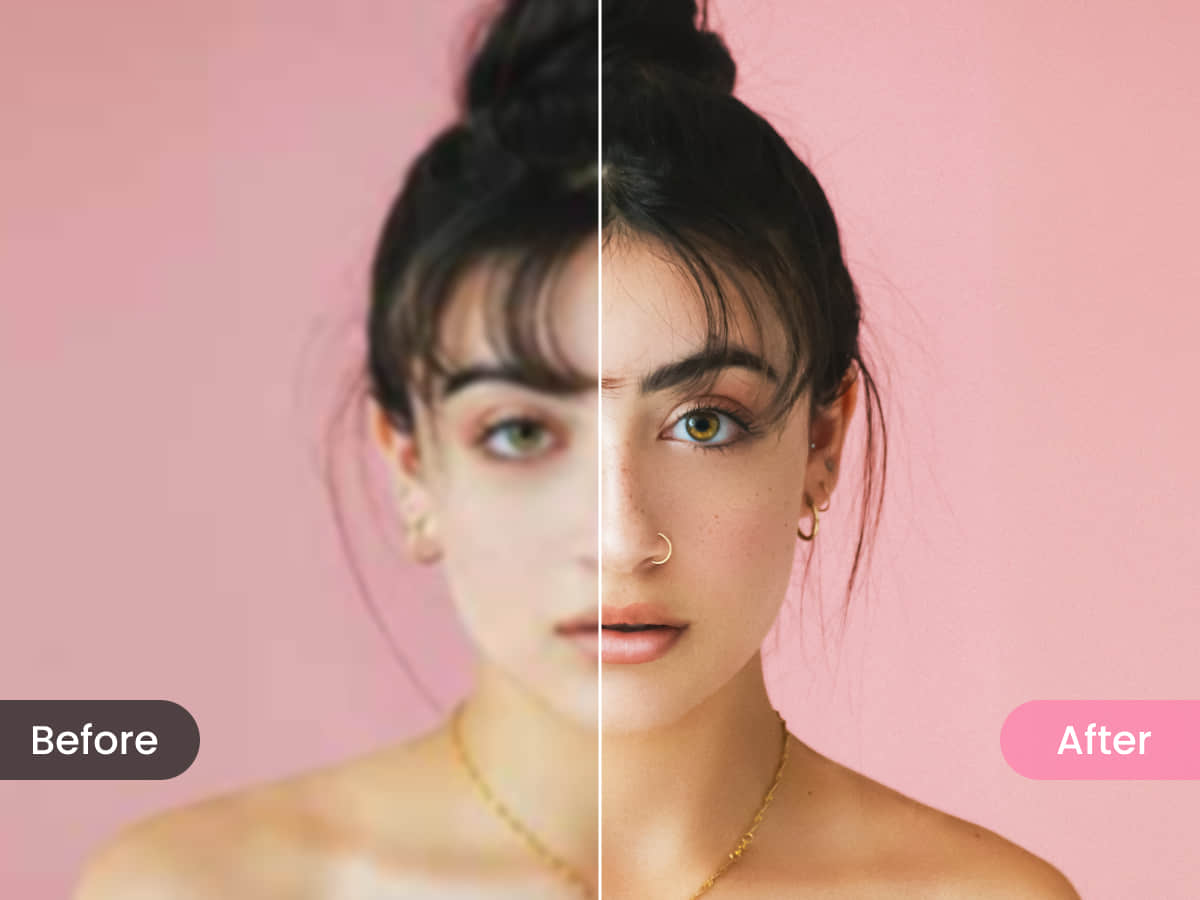
Scroll through any social media platform today, and one striking pattern emerges: the faces you see often seem impossibly flawless. Skin is perfectly smooth, eyes are strikingly bright, and facial symmetry appears almost unreal. Beauty filters, embedded in apps like Instagram, Snapchat, and TikTok, are not merely cosmetic enhancements—they are actively reshaping what society perceives as attractive. A growing study of user behavior and psychological outcomes highlights how these digital tools are changing both individual self-perception and collective beauty standards, with consequences that extend far beyond the virtual world.
The influence of filters goes beyond a single edited photo. When millions of users present enhanced versions of themselves daily, these idealized images become the baseline for what is considered beautiful. This phenomenon is not just about vanity; it has measurable psychological and social effects, as recent research and study after study demonstrate. From teenagers to adults, individuals are increasingly comparing themselves to a digitally optimized reality, often with significant emotional repercussions.
How Beauty Filters Affect Self-Perception: Insights from the Latest Study
Recent study evidence underscores that beauty filters are not neutral tools; they actively reshape how people view themselves. Unlike traditional photo editing, filters work in real time, subtly altering facial features, skin tone, and even body proportions. The constant exposure to these modified images can distort one’s mental model of “normal” appearance.
Psychologists point to the concept of self-objectification, a phenomenon where individuals begin to view themselves primarily as objects to be evaluated for their appearance. A notable study in BMC Psychology revealed that frequent use of beauty filters is associated with heightened self-objectification, increased comparison with others, and lower self-esteem. The research found that individuals who regularly used filters reported being more critical of their unfiltered appearance, leading to chronic self-scrutiny and internalized dissatisfaction. Over time, this can evolve into an entrenched mental pattern, where people constantly evaluate themselves from the perspective of how others might see them.
The psychological toll is amplified because filtered images often set an unreachable standard. Skin smoothness, eye brightness, and facial symmetry achieved with digital tools are statistically uncommon in real life. When a person’s brain treats this idealized imagery as typical, their natural appearance may feel inadequate, triggering cycles of self-doubt and emotional strain.
The Social Consequences Highlighted by Study Findings
Beyond individual psychology, beauty filters reshape societal norms of attractiveness. A compelling study from the Computers in Human Behavior journal demonstrated that exposure to filtered images leads to internalization of unrealistic beauty ideals. Participants not only reported higher dissatisfaction with their own appearance, but they also began expecting similar perfection in others. This effect alters social interactions, dating expectations, and even professional relationships.
One social consequence is the emergence of the “upgrade mindset” in dating culture. Constant exposure to filtered faces primes individuals to seek ever-more-perfect options, eroding the appreciation of natural variation in human appearance. A study focusing on young adults’ dating app behavior found that individuals who frequently engaged with filtered content were more likely to swipe past matches based on minor imperfections. This behavior reflects a learned expectation shaped by repeated encounters with digitally optimized beauty.
Another societal effect is the normalization of cosmetic modification. Surveys indicate that people who use beauty filters regularly are more likely to consider cosmetic procedures to align their real-life appearance with their filtered look. While causation is difficult to prove, research suggests that filters contribute to a cultural narrative where natural features are negotiable, and physical enhancement is a social expectation.
Age-Specific Impacts Explored Through Study
The psychological and social effects of beauty filters vary across age groups, a fact highlighted in multiple study analyses. Teenagers are particularly vulnerable. During adolescence, self-concept is still forming, and exposure to idealized digital appearances can amplify insecurities. Studies show that teens who frequently engage with filtered content experience higher levels of peer comparison, fragile self-esteem, and anxiety about real-life social interactions. This generation faces the added challenge of managing a split identity: the curated online self versus the unfiltered offline self, which can persist into adulthood if unaddressed.
Adults face different but equally significant pressures. Work-related video calls, professional photography, and online dating expose them to curated standards of attractiveness. A study examining adult social media use found that frequent filter application correlates with increased appearance-related anxiety, particularly concerning aging and perceived competitiveness in romantic or professional contexts. The mental labor of managing one’s online appearance can subtly undermine confidence, even among individuals who assume they are unaffected by social media trends.
Older adults confront unique challenges. Filters can erase visible signs of aging, creating a distorted comparison that intensifies feelings of accelerated aging or social obsolescence. A study examining older social media users revealed that filter exposure heightened age-related self-consciousness, reinforcing the idea that natural aging is a flaw to be concealed.
The Psychological Mechanisms Driving Filter-Induced Dissatisfaction
Understanding why beauty filters have such profound effects requires examining the psychological pathways involved. Studies consistently point to three primary mechanisms: comparison, internalization, and appearance surveillance.
Comparison is immediate and instinctive. Seeing an endless feed of perfected images triggers evaluative judgments about one’s own appearance, often before conscious reasoning can intervene. A study on digital image consumption demonstrated that even users who are aware of filter use still experience automatic emotional reactions, feeling less attractive by comparison.
Internalization occurs when these comparisons become benchmarks. Individuals absorb the cultural ideal portrayed by filters and treat it as a personal standard. Over time, the filtered look becomes a measuring stick for one’s self-worth, influencing decisions ranging from grooming habits to cosmetic interventions.
Appearance surveillance, meanwhile, is a continuous mental monitoring process. Users repeatedly assess themselves against the filtered ideal: “Does my skin look smooth enough?” or “Is my jawline sharp enough?” This ongoing attention is mentally exhausting and can interfere with focus, creativity, and emotional well-being.
Filters, Digital Culture, and the Evolving Standard of Beauty
Beauty filters are not merely individual tools; they are catalysts for a cultural shift in standards of beauty. A growing body of study research shows that as filtered images dominate digital spaces, societal expectations evolve. Natural facial asymmetry, skin texture, and signs of aging are increasingly perceived as undesirable.
Digital culture also amplifies the visibility of certain beauty traits across gender, race, and body type. Filters frequently favor Eurocentric or highly symmetrical facial features, narrow waistlines, and smooth, blemish-free skin. A study examining the content of popular filter presets found that these features were disproportionately represented, reinforcing a narrow definition of attractiveness. Over time, the ubiquity of these images can reduce empathy for natural human variation, as users unconsciously judge others based on digitally modified standards.
Balancing Awareness and Healthy Filter Use
Despite the negative impacts, beauty filters need not be wholly detrimental. Awareness and intentionality are key. Experts suggest a “reality ratio,” where time spent in unfiltered environments balances or exceeds exposure to enhanced content. This practice helps recalibrate perceptions of normal appearance and reduces the mental toll of constant comparison.
A study exploring interventions for filter-related dissatisfaction found that users who consciously alternated between filtered and unfiltered interactions reported improved self-esteem and reduced anxiety. Mindful consumption, rather than outright avoidance, can mitigate the mental health effects without removing enjoyment or creativity from social media engagement.
FAQ Section: Study and Beauty Filters
What does a study say about the impact of beauty filters? Studies consistently show that beauty filters can reduce self-esteem, increase comparison, and heighten self-objectification by presenting an idealized standard that is difficult to achieve in reality.
Which age group is most affected according to study findings? Teenagers are most vulnerable, as they are forming their self-concept. However, adults and older adults also experience anxiety, dating pressure, and age-related self-consciousness, as multiple studies confirm.
Do studies link filters to cosmetic procedures? Yes, studies indicate that frequent filter use correlates with increased interest in cosmetic interventions. The desire to match the filtered self often motivates individuals to consider procedures.
Can a study explain how filters affect dating behavior? Research shows that exposure to enhanced images fosters the “upgrade mindset,” where individuals continually seek perfection, affecting both commitment and satisfaction in dating contexts.
What does a study suggest about managing filter use? Studies recommend balancing filtered and unfiltered exposure, practicing mindful consumption, and cultivating awareness of how digital alterations influence self-perception.
How many times has study been used in research on filters? The term “study” appears in most research on beauty filters, reflecting a robust, growing body of work examining psychological and social impacts, emphasizing the need for continued investigation.
Beauty filters are more than a playful digital feature—they are reshaping what modern society considers attractive, influencing self-perception, social behavior, and even cultural norms. As research and study evidence continue to accumulate, it becomes increasingly clear that awareness, balanced use, and media literacy are essential for maintaining healthy self-esteem and a realistic understanding of beauty in the digital age.