Understanding Home Renovation
Home renovation transcends mere improvement; it is a life-enhancing decision that transforms spaces and enriches life experiences. Whether you're looking to enhance your home’s aesthetic appeal or improve its functionality, a well-executed Home renovation project can lead to profound changes in your living environment.
What Is Home Renovation?
Home renovation is the process of making modifications, improvements, or restorations to a residential property. This encompasses a wide range of activities, from simple aesthetic upgrades like painting and decor to major structural changes such as adding a room or updating plumbing systems. The goal of renovation can vary based on personal preferences, financial motivations, or the necessity for repairs.
Common Reasons for Home Renovation
The motivations behind home renovation are diverse. Here are some prevalent reasons:
- Enhancing Property Value: Upgrades can significantly increase the market value of a home, making it more appealing to potential buyers.
- Improving Functionality: Renovations can improve how a space is utilized, addressing issues like limited storage or outdated layouts.
- Modernizing Interior and Exterior: Updating the look of a home can result in a refreshing aesthetic that aligns with current trends and personal tastes.
- Energy Efficiency: Renovating often introduces modern technology and materials that can lead to lower utility bills and a reduced carbon footprint.
Types of Home Renovation Projects
Home renovations can be categorized into several major types:
- Cosmetic Renovations: This includes painting, flooring, and landscaping that enhance visual appeal.
- Structural Renovations: These involve changes to the layout, such as knocking down walls or adding rooms.
- System Upgrades: Updating plumbing, electrical wiring, or HVAC systems for better efficiency and safety.
- Historical Restorations: Restoring homes that have significant historical value to preserve their original charm and character.
Planning Your Home Renovation
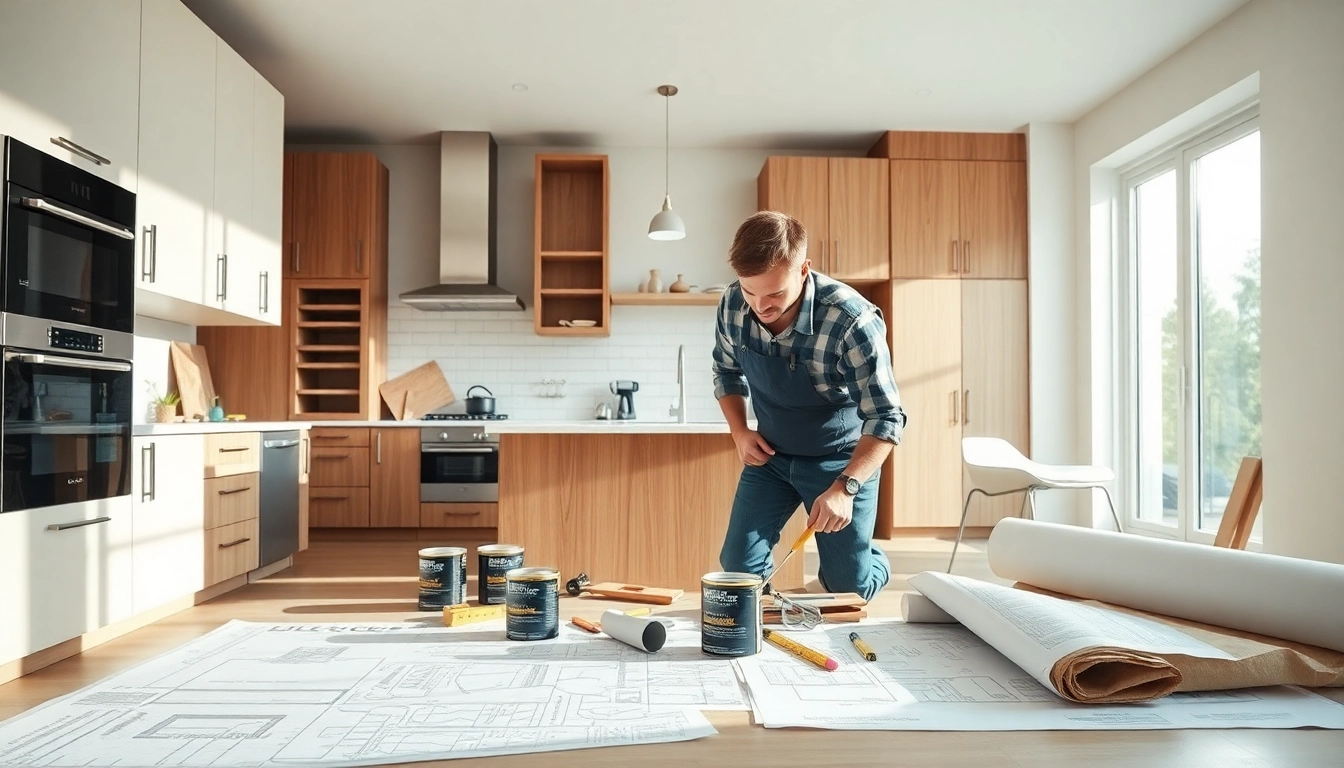
The success of a home renovation largely hinges on effective planning. Proper foresight can help navigate the complexities of the project smoothly.
Setting a Renovation Budget
The first step in planning is establishing a clear budget. This involves assessing your financial capabilities and deciding on a realistic scope of work. A well-defined budget should include:
- Accurate cost estimates based on current market prices for materials and labor.
- Contingency funds (typically 10-20% of the total budget) to cover unforeseen expenses.
- Potential financing options if the project exceeds available funds.
Choosing the Right Design Aesthetics
Selecting a design aesthetic that resonates with your personal style and the architecture of your home is crucial. Consider these aspects:
- Style Cohesion: Ensure that the design blends with the existing elements of your home.
- Functionality: Choose designs that enhance usability without compromising comfort.
- Current Trends: While personal preferences are essential, consider incorporating elements of popular design trends for broader appeal.
Drafting a Renovation Timeline
Creating a realistic timeline for your renovation can help keep the project on track. Important considerations include:
- Phases of Work: Break down the project into phases, which can be managed more easily.
- Material Lead Times: Account for the time it takes to acquire necessary materials which may delay the project.
- Weather Considerations: If your project involves exterior work, keep weather forecasts in mind to avoid interruptions.
Executing Your Home Renovation
Implementation is where plans come to life. The execution phase requires careful attention to details to ensure the project stays aligned with your vision.
Selecting Quality Materials and Resources
The choice of materials can make or break a renovation project. Opting for high-quality resources can lead to long-lasting results. Consider the following:
- Durability: Choose materials that are suited for their intended use and can withstand wear and tear.
- Maintenance: Look for low-maintenance options that fit your lifestyle and needs.
- Aesthetic Appeal: Ensure that chosen materials align with your desired aesthetic.
Hiring Skilled Professionals vs. DIY
When considering whether to hire professionals or tackle the project as a DIY endeavor, weigh the pros and cons carefully:
- Expertise: Professionals can bring knowledge and skills that result in higher-quality finishes.
- Time Considerations: DIY might save costs but can be time-consuming—consider your availability.
- License and Insurance: Validating credentials can safeguard you from liability issues associated with incompetence or accidents.
Managing the Renovation Process Effectively
Solid project management is essential to navigating the challenges that arise during renovations. Strategies include:
- Regular Communication: Keep open lines of communication with contractors and stakeholders to address concerns quickly.
- Progress Monitoring: Regularly check progress against the timeline and budget to identify any deviations early.
- Adaptability: Be prepared to adjust plans as challenges arise, while still staying focused on end goals.
Post-Renovation Considerations
Once renovations are complete, there are important steps to ensure that the new space remains appealing and functional.
Final Inspections and Adjustments
Before finalizing your renovation, conduct thorough inspections to identify any loose ends or areas needing adjustments. Look for:
- Quality checks on finishes to ensure they meet expectations.
- Ensuring all functionalities (outlets, plumbing, HVAC) are fully operational.
- Addressing small aesthetic imperfections like paint touch-ups or clean-ups.
Maintaining Your Newly Renovated Space
Proper maintenance ensures longevity and continued enjoyment. Develop a plan for:
- Routine cleaning to maintain aesthetic appeal.
- Seasonal checks of critical systems like heating and cooling to preempt issues.
- Upward maintenance of fixtures and materials as recommended by manufacturers.
Evaluating the Impact on Home Value
Post-renovation, it’s vital to evaluate how your improvements affect the property’s market value. Factors to consider include:
- Comparative analysis with similar properties in your area.
- Monitoring market trends that could affect property appreciation.
- Consider seeking a professional appraisal for an expert assessment.
Innovative Trends in Home Renovation
As the design world evolves, new trends emerge in home renovation. Staying informed can ensure your project remains relevant.
Eco-Friendly Home Renovation Ideas
Incorporating sustainable options is more than a trend; it's a necessity. Effective eco-friendly renovations can include:
- Choosing energy-efficient appliances that consume less power.
- Utilizing renewable materials like bamboo or reclaimed wood.
- Installing solar panels to reduce dependency on non-renewable resources.
Smart Home Integrations
Integrating smart technology can enhance comfort and efficiency significantly. Consider these options:
- Smart thermostats that learn habits to optimize heating and cooling.
- Smart lighting systems that adjust based on occupancy or time of day.
- Home security systems that offer remote access and monitoring features.
Current Design Trends to Consider
Remaining aware of design trends can elevate the aesthetic of your space. Currently popular trends include:
- Minimalist Aesthetic: A focus on decluttering and intentional design choices.
- Open Concept Spaces: Creating fluid spaces that enhance interaction and natural light.
- Bold Color Palettes: Using dramatic colors strategically to create focal points and personality.