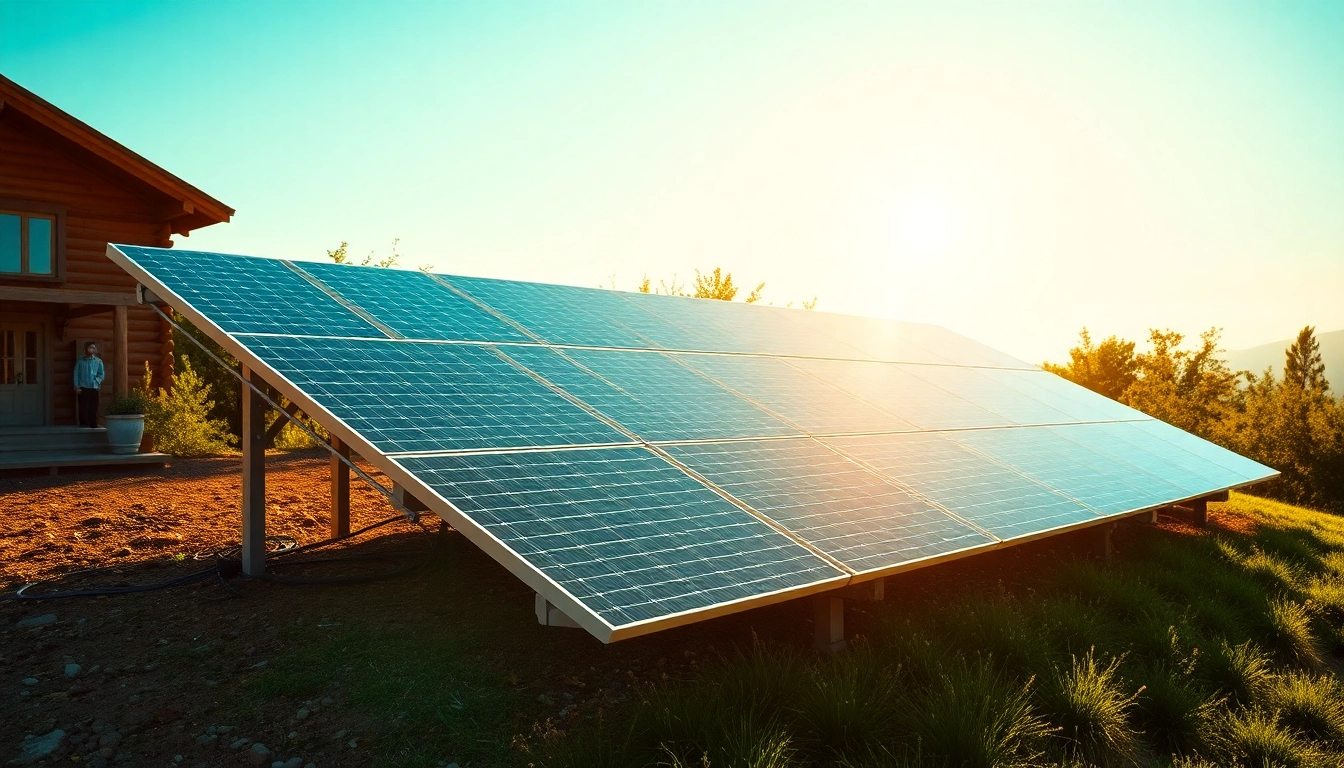
Understanding Off Grid Solar Systems
What is an Off Grid Solar System?
An off grid solar system is a self-sufficient energy solution that operates independently from the traditional electrical grid. This technology harnesses solar energy to provide electricity for homes, cabins, or remote structures, enabling energy independence and sustainability. Unlike grid-tied systems, which rely on external power sources, off-grid systems are designed to be fully autonomous and often incorporate battery storage to ensure a continuous power supply, even during cloudy days or at night.
Key Components of Off Grid Solar Systems
To understand and effectively implement an off grid solar system, it is crucial to be familiar with its primary components:
- Solar Panels: These are the first step in converting sunlight into electrical energy. High-efficiency panels maximize energy production.
- Charge Controller: This device regulates the voltage and current coming from the solar panels to the batteries, preventing overcharging and extending battery life.
- Batteries: Essential for storing harnessed solar energy, batteries allow users to draw power during non-sunny hours. Different types of batteries, including lithium-ion and lead-acid, are available based on energy needs and budget.
- Inverter: This component converts the direct current (DC) electricity stored in batteries into alternating current (AC), which is used by most household appliances.
- Mounting Equipment: Solar panels need to be securely installed, which necessitates brackets or racks to ensure their optimal orientation and protection from environmental elements.
- Wiring and Electrical Components: Proper wiring is critical for safety and efficiency, connecting all components and ensuring smooth operation.
Benefits of Going Off Grid
Opting for an off grid solar system comes with numerous benefits:
- Energy Independence: Users enjoy autonomy from utility companies, leading to lower electric bills and protection against rising energy costs.
- Environmental Sustainability: By harnessing clean energy, off grid systems reduce reliance on fossil fuels, leading to decreased carbon footprints.
- Accessibility in Remote Areas: Off grid systems are ideal for locations without grid connections, offering reliable power wherever it might be needed.
- Flexible Usage: Homeowners can downsize or upsize their systems based on energy requirements, making them adaptable to changes in energy usage.
Designing Your Off Grid Solar System
Assessing Your Energy Needs
The first step in designing an off grid solar system is assessing your energy consumption. Begin by calculating your average daily energy requirements. List all appliances and devices along with their wattage and estimated hours of use per day. Several tools and calculators can help facilitate this process:
- Energy Audit: Conduct a thorough audit of your home to identify energy needs and sources of energy waste.
- Energy Consumption Monitors: Use these devices to measure real-time energy consumption of appliances over a period.
Once complete, sum your daily watt-hours and divide by the average solar hours in your region to determine the required size of your solar panel array.
Choosing the Right Solar Panels
With a clear understanding of your energy needs, the next step is selecting the appropriate solar panels. Consider the following factors:
- Type of Solar Panels: Monocrystalline panels are known for high efficiency and space efficiency, while polycrystalline panels are more budget-friendly but occupy more space.
- Wattage Output: Ensure the panel's wattage aligns with the energy needs you assessed earlier.
- Manufacturer Reputation: Choose brands known for quality, warranties, and customer service.
Seek panels that provide high efficiency and durability, ensuring they can withstand environmental factors based on your geographical location.
Incorporating Battery Storage Solutions
Integrating battery storage into your off grid solar system is essential for ensuring continuity of power supply. When selecting a battery storage solution, consider:
- Battery Chemistry: Lithium-ion batteries are more efficient and have a longer lifespan than traditional lead-acid batteries, though they come at a higher price point.
- Capacity: Batteries are rated in amp-hours (Ah); choose based on your energy needs and how long you may need to rely on stored energy.
- Discharge Rate: Ensure the batteries can handle your peak load needs and provide the necessary power during high-demand periods.
Battery banks can be sized to meet either short-term needs (e.g., overnight use) or long-term needs (e.g., week-long cloudy weather), depending on your lifestyle and requirements.
Installation Process of Off Grid Solar Systems
Site Selection and Preparation
The installation process begins with careful site selection. Ideally, panels should be placed in areas that receive maximum sunlight exposure throughout the day. Factors to consider include:
- Vegetation and Shading: Ensure that no trees or buildings will block sunlight from the panels at any time.
- Roof Condition: For rooftop installations, conduct an inspection to ensure the roof can handle the weight and is in good condition.
- Ground Stability: For ground-mounted systems, select a firm and level area that can support the structure and withstand weather conditions.
Once the site is prepared, you can begin assembling the mounting systems and installing the solar panels.
Mounting the Solar Panels
Mounting the solar panels effectively ensures their longevity and optimal performance:
- Orientation: Panels should typically face south in the northern hemisphere for optimal sun exposure.
- Angle: Adjust the tilt angle of the panels based on regional latitude to capture maximum solar energy.
- Secure Installation: Use appropriate mounting equipment and follow manufacturer guidelines to prevent wind and weather damage.
Special attention should be given to the wiring that connects the panels to the inverter to ensure safety and efficiency.
Connecting Inverters and Batteries
Once the panels are securely mounted, it’s necessary to connect them to the inverter and batteries. This step includes:
- Wiring the Panels: Connect solar panels in series or parallel based on system design and voltage requirements.
- Inverter Connection: Follow electrical safety protocols while connecting the inverter, ensuring proper management of DC to AC conversion.
- Connecting Batteries: Wire batteries in parallel or series to achieve the desired voltage and capacity needed for your energy demands.
Post-installation, a thorough check should be conducted to ensure everything is functioning correctly before commissioning the system.
Maintenance and Monitoring
Routine Checks for Your Off Grid Solar System
To ensure optimal performance, regular maintenance is crucial. Routine checks should include:
- Visual Inspection: Regularly inspect solar panels for dirt, debris, or physical damage that could hinder performance.
- Battery Maintenance: Check battery fluid levels (for non-sealed options) and corrosion on terminals; clean connections as necessary.
- Connections and Wiring: Periodically inspect all electrical connections and wiring for wear, fraying, or disconnections.
Keeping records of these inspections and any maintenance performed can help track your system’s health over time.
Troubleshooting Common Issues
Even the best systems can experience issues. Common problems include:
- Low Battery Voltage: This can occur due to insufficient sunlight or excessive loads; check solar panel performance and assess energy consumption.
- Inverter Failures: If the inverter is not functioning, ensure it's reset, check connections, and verify that it meets load requirements.
- Panel Performance Issues: In cases of decreased output, check for shading, dirt accumulation, or damage.
Having a basic understanding of troubleshooting can save time and money when issues arise, allowing quick recovery of system functionality.
Monitoring Energy Production and Consumption
Keeping track of energy production and usage is key to managing an off grid solar system effectively.
Consider using monitoring systems that offer:
- Real-Time Monitoring: This allows users to see immediate energy production data versus consumption, helping identify trends and optimize usage accordingly.
- Data Logs: Historical data can provide insights into seasonal performance variations, enabling better planning for energy use.
- Alerts and Notifications: Setting up notifications for performance dips or unusual consumption patterns can facilitate early troubleshooting.
Investing in monitoring technology enhances understanding of energy use and can lead to more efficient consumption patterns.
Case Studies and Success Stories
Real-World Applications of Off Grid Solar Systems
Exploring real-world examples of off grid solar systems can provide insight into their practicality and versatility.
Examples include:
- Remote Cabins: Many homeowners in off-grid areas have successfully utilized these systems to power lighting, refrigeration, and appliances, enhancing comfort while avoiding costly utility runs.
- Agricultural Uses: Farmers have used solar to power irrigation systems, thereby improving efficiency and reducing reliance on diesel generators.
- Community Projects: Several rural communities have embraced off grid solar solutions to provide electricity for schools and health clinics, improving access to education and health services.
These examples illustrate not only the feasibility but also the significant benefits of deploying off grid solar technology across various contexts.
Client Testimonials and Experiences
Client experiences further demonstrate the value of transitioning to an off grid solar system:
- John and Mary, Cabin Owners: “Switching to an off grid system has given us the freedom we never imagined possible. The peace of mind of knowing we’re self-sufficient is priceless.”
- Farmers, Sustainable Agriculture Initiative: “Our solar system has allowed us to reduce operating costs while enhancing productivity—it’s been a game changer for our farming practices.”
These testimonials highlight not only satisfaction with system performance but tremendous emotional and financial benefits experienced by users.
Cost Savings and Environmental Impact
The financial implications of adopting an off grid solar system can be substantial:
- Operational Cost Reduction: On average, off grid solar users report a significant drop in monthly energy expenses, potentially reaching savings of 50% or more over time.
- Increased Property Value: Properties equipped with solar installations often see increased market value as more buyers express interest in energy independence.
- Environmental Savings: By reducing reliance on fossil fuels, users contribute positively to environmental conservation, helping to mitigate climate change.
From both an economic and environmental perspective, off grid solar systems are increasingly being recognized as a wise investment for the future.