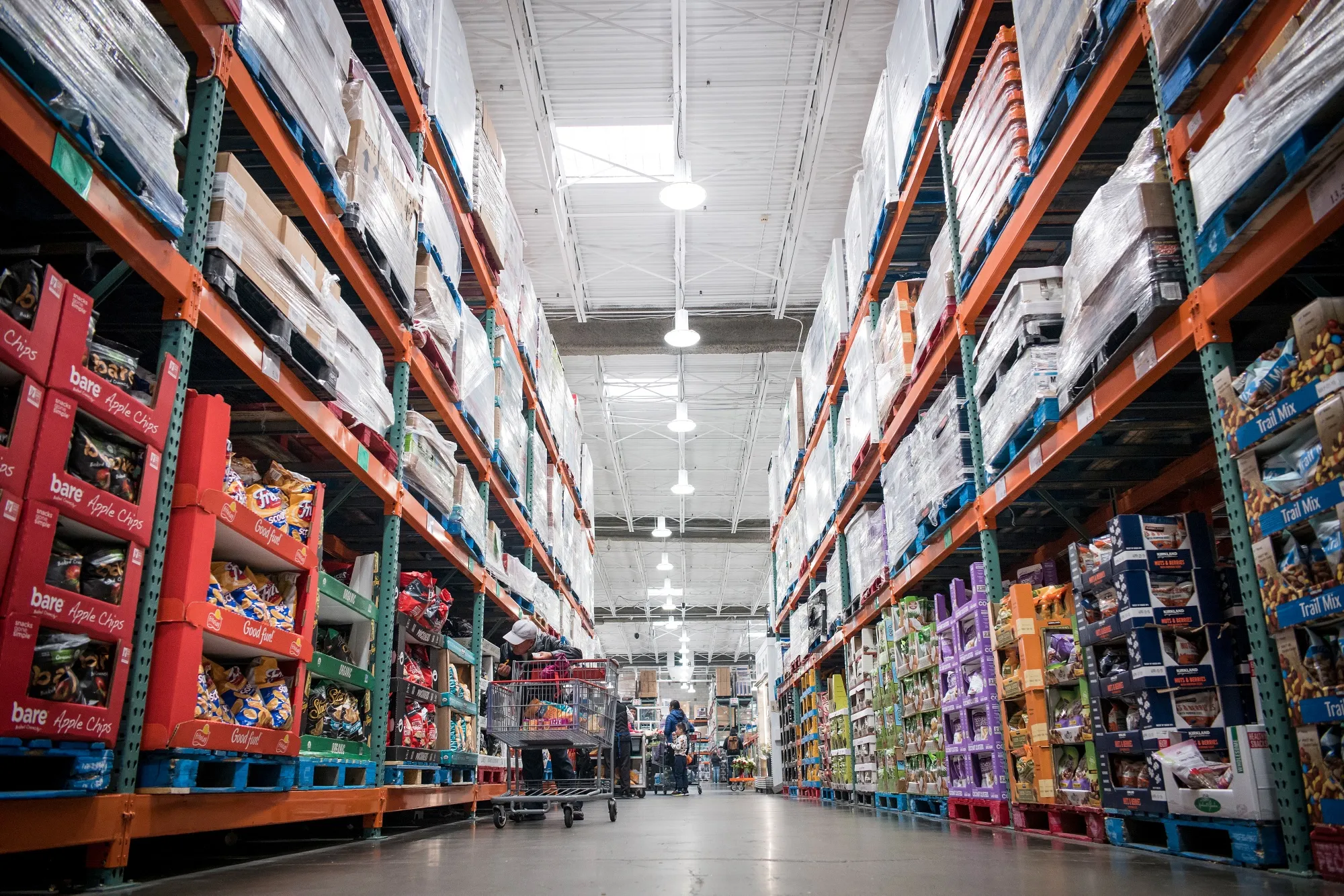
Understanding the Wholesale Model
Definition of Wholesale
Wholesale refers to the practice of purchasing goods in large quantities at reduced prices from manufacturers or distributors, intending to resell them to retailers or various businesses. In essence, wholesalers act as intermediaries—buying bulk items and providing them to smaller entities, streamlining product distribution and fostering business growth. The fundamental principle behind Wholesale is cost-effectiveness and efficiency in the supply chain.
Types of Wholesale Businesses
Wholesale businesses can be categorized into several types, depending on their operating models and customer base:
- Merchant Wholesalers: These are independent wholesalers who take ownership of the products and are responsible for storing and selling them. They have more control over pricing and inventory management.
- Jobbers: Jobbers do not take ownership of goods but facilitate transactions between manufacturers and retailers. They often work on a commission basis.
- Drop Shippers: Drop shipping involves wholesalers who do not stock products but fulfill orders directly from manufacturers to consumers. This model minimizes inventory costs.
- Online Wholesale Platforms: With the digital landscape evolving, many wholesalers operate online, connecting manufacturers and retailers via web-based platforms.
Benefits of Wholesale for Retailers
Participating in wholesale can offer numerous advantages to retailers, including:
- Cost Savings: Purchasing in bulk typically reduces the unit price, allowing retailers to enhance their profit margins.
- Diverse Product Range: Retailers can access a wide range of products through wholesalers, helping them cater to different customer needs.
- Inventory Support: Wholesalers often assist in maintaining inventory, which can prove beneficial for small retailers strapped for storage.
- Building Relationships: Establishing connections with wholesalers can lead to better negotiations and exclusive product offerings.
Navigating Wholesale Relationships
Building Supplier Connections
Establishing robust connections with suppliers is crucial for successful wholesale operations. Retailers should seek out reliable suppliers by attending industry trade shows, networking events, and online platforms like wholesale directories. Clear communication and establishing trust can lead to fruitful long-term relationships, enhancing the supply chain's efficiency. A sound approach is to actively engage in feedback mechanisms to continually cultivate these relationships.
Negotiating Prices and Terms
Effective negotiation is an essential skill for retailers involved in wholesale. Understand the market conditions and come prepared with facts to negotiate better terms. Discuss aspects such as payment terms, delivery schedules, and discounts for bulk orders. By being transparent about business needs and maintaining a professional demeanor, retailers can foster a mutually beneficial relationship with wholesalers.
Managing Inventory Effectively
Efficient inventory management is key to maximizing the benefits of wholesale. Retailers should adopt inventory management software to track stock levels, forecast demand, and manage reorders seamlessly. Techniques such as just-in-time inventory (JIT) systems help reduce holding costs while ensuring that stock levels remain adequate to meet customer demand. Understanding your sales trends will also allow for smarter purchasing decisions and reduced risk of overstocking.
Strategies to Enhance Wholesale Performance
Market Research for Wholesale Success
Conducting thorough market research is vital for any wholesale strategy. Retailers should analyze market trends, customer preferences, and competitors to identify potential opportunities for growth. Utilizing tools such as surveys and focus groups can provide insights into what products will perform well and at what price points. This research can inform product selection and pricing strategies, ensuring alignment with market demand.
Effective Marketing Techniques
A successful marketing strategy can help retailers effectively promote their wholesale products. Content marketing, email campaigns, and social media outreach can significantly enhance visibility and sales. Retailers can collaborate with influencers or use affiliate marketing strategies to broaden their reach. Tailoring marketing efforts to specific demographics and highlighting unique selling points can further drive engagement and conversion rates.
Leveraging Technology in Wholesale
Incorporating technology into wholesale operations can streamline processes and enhance efficiency. Utilizing e-commerce platforms, inventory management systems, and CRM software can help manage orders, customer relationships, and track sales data. Technology facilitates seamless communication between retailers and suppliers, allowing for real-time updates on inventory and pricing changes, which is essential for maintaining a competitive edge.
Best Practices in Wholesale Management
Streamlining Operations
To facilitate smooth wholesale operations, retailers should focus on optimizing logistics and supply chain processes. This could involve automating order processing, employing drop shipping for non-stock items, and consolidating shipments to reduce costs. Regularly reviewing operations and seeking areas of improvement can lead to enhanced efficiency and reduced operational costs.
Regulatory Compliance for Wholesalers
Retailers must ensure they adhere to all relevant regulations when engaging in wholesale activities. This includes understanding local, state, and federal laws regarding licensing, taxation, and product safety. Building an awareness of compliance requirements mitigates legal risks and fosters a reputable business standing. Retailers may consult with legal professionals to stay updated on regulatory changes affecting wholesale operations.
Customer Relationship Management
Strong customer relationships can greatly impact a wholesale business's success. Retailers should leverage CRM tools to manage customer interactions, track purchase history, and personalize marketing efforts. Engaging with customers through surveys and feedback forms can provide insights into their experiences, informing business practices and product offerings.
Measuring Success in Wholesale
Key Performance Indicators for Wholesale
Identifying key performance indicators (KPIs) is essential for gauging wholesale success. Common KPIs include gross profit margins, inventory turnover rates, customer acquisition costs, and overall sales growth. Regularly assessing these metrics enables retailers to detect issues early and recalibrate strategies as necessary to enhance performance.
Analyzing Sales Data
Data analysis plays a pivotal role in understanding sales performance. Retailers should track sales trends over time, assessing which products perform best and during which seasons. This data can influence purchasing decisions and help identify gaps in the inventory. Employing analytical tools can assist in making well-informed decisions based on solid evidence rather than intuition.
Adjusting Strategies for Growth
Wholesale businesses should remain agile, adapting strategies based on market changes and sales performance. This may involve diversifying product lines, exploring new markets, or adjusting pricing strategies. By continually testing new approaches and monitoring outcomes, retailers can position themselves to capitalize on opportunities for growth.
FAQs
What is the primary role of a wholesaler?
A wholesaler acts as an intermediary between manufacturers and retailers, buying goods in bulk to sell in smaller quantities for resale.
Do wholesalers require a license?
Most wholesalers do need a business license to operate legally, but requirements can vary by state and type of products sold.
How do I find reputable wholesalers?
Networking at industry events, using online directories, and conducting thorough research can help identify reliable wholesalers.
What are the advantages of buying wholesale?
Buying wholesale allows retailers to acquire products at reduced prices, enhancing profit margins and providing a broader product range.
How can technology improve my wholesale business?
Technology streamlines operations, enhances inventory management, and improves customer relationship management, leading to increased efficiency.