Understanding Office Furniture: Types and Their Importance
Essential Elements of Office Furniture
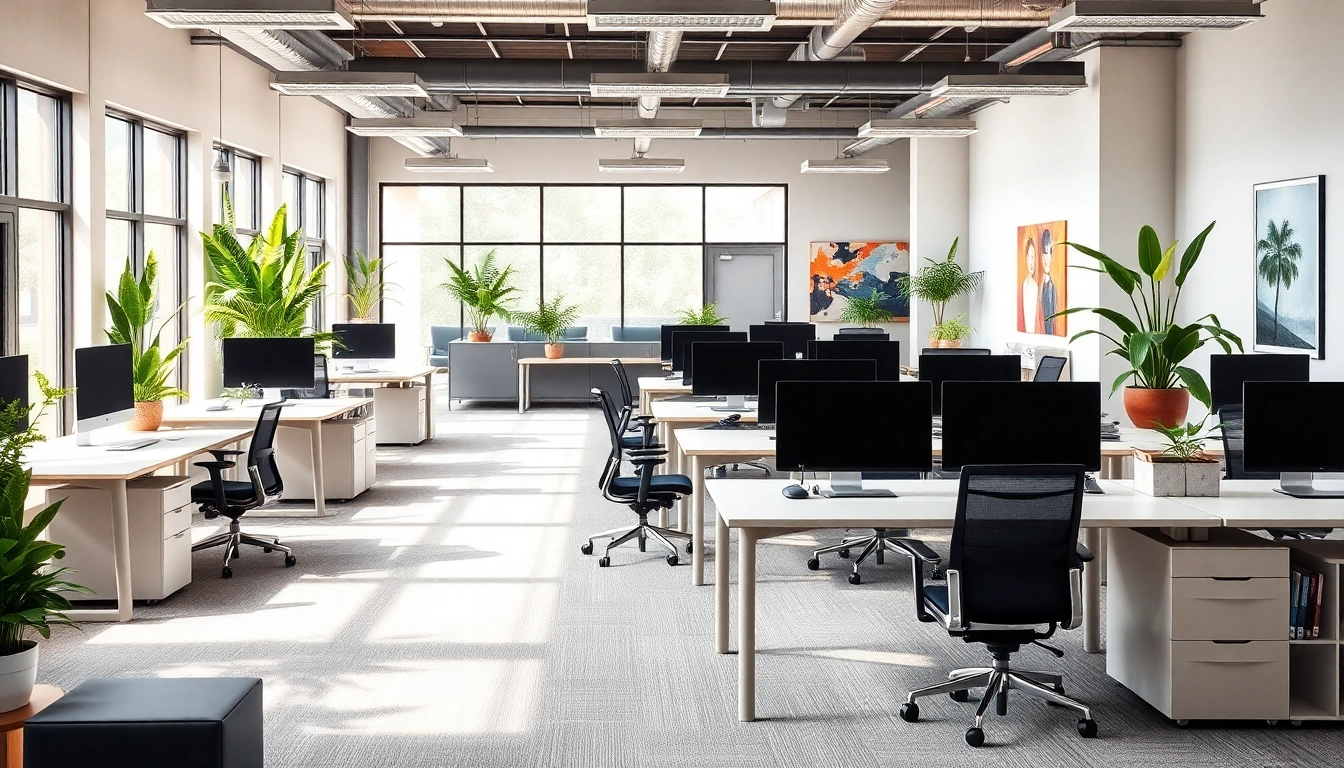
Office furniture encompasses a wide range of items specifically designed to facilitate productivity and comfort in workspaces. Essential categories include desks, chairs, tables, storage units, and conference equipment. Each piece plays a crucial role in defining the efficiency and functionality of an office environment. A well-designed workspace not only enhances workflow but also improves employee morale and well-being.
Desks serve as the primary work surface, providing the necessary space for completing tasks. They come in various styles, from L-shaped and U-shaped configurations that maximize corner space to standard rectangle and height-adjustable desks that offer flexibility. Chairs are equally vital; an ergonomic design can significantly reduce discomfort during long hours of sitting, which is essential in maintaining employee productivity.
Additionally, tables often facilitate collaborative efforts within offices, being pivotal in conference rooms or areas where team discussions occur. Storage solutions, such as cabinets and shelves, are essential for combating clutter and ensuring that important documents and supplies are easily accessible. By understanding these components, organizations can effectively tailor their office furniture choices to meet specific function and aesthetic goals.
Choosing the Right Office Furniture for Your Needs
When selecting office furniture, it's critical to assess the specific needs of your workspace. This assessment begins with considering the size and design of the office area. For instance, open office layouts often benefit from modular furniture that promotes collaboration, while traditional setups might require more defined workspaces.
Budgetary constraints also play a significant role in the decision-making process. Identifying quality office furniture within budget limits ensures that resources are effectively allocated without compromising on essential comfort or functionality. Exploring options like flat-pack furniture can also offer savings in delivery and setup costs.
Another crucial factor is the furniture's adjustability. Height-adjustable desks, for example, allow employees to switch between sitting and standing, fostering better health and focus over prolonged work periods. Furthermore, considering the furniture's adaptability to potential future changes in the workforce or office configuration can extend its longevity and usability.
Benefits of Quality Office Furniture
Investing in quality office furniture comes with numerous benefits that extend beyond mere aesthetics. High-quality furniture is often characterized by enhanced durability, meaning it withstands daily wear and tear. This reliability leads to cost savings over time, as fewer replacements are needed.
Moreover, ergonomically designed office furniture supports employee health and well-being. Studies consistently show that comfort directly correlates with productivity levels. By providing furniture that reduces fatigue and promotes good posture, organizations create an environment where employees can thrive.
Quality office furniture also communicates professionalism and can positively impact first impressions on clients and visitors. An organized and appealing office speaks volumes about a company's values and work culture, fostering trust and confidence.
Designing a Functional Workspace with Office Furniture
Creating Your Office Layout for Optimal Flow
The layout of an office is critical to its functionality. An effective layout enhances workflow and ensures that teams can collaborate efficiently. There are several layout strategies to consider, including open layouts, cubicle designs, and hybrid solutions that combine both aspects.
Open layouts typically encourage communication and cooperation among staff, fostering a cohesive work environment. However, incorporating areas for privacy, such as soundproof booths or small meeting rooms, is essential to provide employees with a space for focused work or personal conversations.
In more traditional office layouts, cubicles can create the personal space employees need to work without interruptions. These spaces can be customized with partitions to enhance privacy while still allowing for some collaboration among peers.
Ultimately, an effective office layout balances collaboration and privacy, encouraging productivity while fostering a positive atmosphere.
Incorporating Ergonomic Principles in Office Furniture
Integrating ergonomic principles into office furniture design is one of the most significant advancements in improving workplace comfort. Ergonomics involves understanding human needs and capabilities and designing work environments that cater to these aspects.
Height-adjustable desks promote ergonomic practices by allowing individuals to tailor their workspace to their specific height, reducing strain on the back and neck. Likewise, chairs with lumbar support can protect against musculoskeletal disorders, which are common in desk jobs.
Additional ergonomic elements include keyboard trays that maintain a neutral wrist position and monitor stands that keep screens at eye level, further preventing strain. By consciously adopting ergonomic furniture choices, companies can contribute to a healthier workforce.
The Role of Color and Aesthetics in Office Furniture Design
Color and aesthetics profoundly influence mood, creativity, and productivity in the workplace. The choice of color for office furniture and design should align with the corporate brand while also promoting a positive and inviting atmosphere.
Studies indicate that different colors can elicit varying responses; for example, blue hues can inspire calm and focus, while greens enhance creativity. Incorporating splashes of vibrant colors or artwork in strategic areas can spark motivation and engagement among employees.
Beyond color, the overall aesthetic appeal matters. Modern, minimalistic furniture can create an impression of professionalism and innovation. An aesthetically pleasing environment fosters pride in one's workspace, contributing to greater job satisfaction and higher employee retention rates.
Cost-Effective Solutions for Office Furniture
Buying Considerations for Budget-Friendly Office Furniture
When acquiring office furniture, budget considerations are paramount. Cost-effective solutions are accessible without compromising quality. One strategy is to prioritize essential items first, such as desks and chairs, following with supplementary items like storage solutions or decorative accents.
Shopping during sales seasons or considering bulk purchases can provide substantial savings. Furthermore, exploring refurbished or second-hand office furniture options can result in quality furnishings at a fraction of the original price, benefiting both the environment and the company's budget.
Investing in multifunctional furniture, such as desks that incorporate storage, can maximize available space and offer better value over time. Ultimately, careful planning and research can yield stylish and functional office furniture without overspending.
Exploring Sustainable Options in Office Furniture
As environmental concerns grow, more companies are seeking sustainable office furniture options. This can include selecting furnishings made from recycled materials or sourced from sustainable practices. Opting for locally manufactured furniture minimizes carbon footprints associated with transportation.
Additionally, organic materials, such as bamboo or natural wood, can present stylish and eco-friendly choices. Choosing furniture from vendors who emphasize sustainability in their manufacturing processes can have a positive impact on corporate responsibility.
Integrating sustainability into office furniture design not only lessens environmental impact but can also enhance a company’s image. Modern consumers and employees often prefer to align with brands that prioritize environmental stewardship.
Refurbished vs. New Office Furniture: Making the Right Choice
The decision between investing in new or refurbished office furniture hinges on various factors, including budget constraints and desired quality. New office furniture offers the latest designs and technologies but often comes with a higher price tag. In contrast, refurbished furniture can provide significant savings and eco-friendly benefits.
Refurbished office furniture typically undergoes rigorous inspections and repairs before being resold, ensuring functionality while minimizing environmental waste. This option balances cost efficiency and sustainability, making it an appealing choice for businesses looking to maximize their investments.
Ultimately, the decision should consider not only financial implications but also the long-term value each option provides in terms of durability, style, and company values.
Trends in Office Furniture Design
Modern Styles and Innovations in Office Furniture
As workplaces evolve, so do the trends surrounding office furniture design. The rise of remote work has accelerated the demand for flexible, adaptable office setups. Manufacturers now emphasize modular designs, allowing businesses to customize their spaces as needs change.
Contemporary styles often incorporate clean lines, minimalist features, and versatile colors. Furniture that can be easily reconfigured to create collaborative areas or private workstations aligns with the ongoing shift towards hybrid work models.
Additionally, advances in technology are influencing furniture design. Growing integration of smart features, such as built-in charging ports and wireless connectivity options, aids in maintaining a seamless workflow.
Integrating Technology with Office Furniture Solutions
Today's office furniture must cater to the increasingly tech-centric workplace. This integration can include furniture designed to accommodate electronic devices, quick access to power outlets, and cable management systems that reduce clutter.
Consider the adoption of standing desks equipped with technology that can automatically adjust height settings or office seating with built-in wireless charging capabilities. These innovations contribute to a more efficient workflow and ensure that technology enhances rather than hinders productivity.
Furthermore, designing spaces that facilitate virtual meetings—complete with furniture that showcases well on-screen—has become a significant consideration for modern office layouts. Integrating technology into office furniture helps to foster an environment that is in tune with the dynamics of the contemporary workplace.
Future Directions for Office Furniture Design
The future of office furniture design is set to focus increasingly on customization, sustainability, and wellness. With the rise of individuality in work styles, future office environments will likely see a variety of furnishings designed to cater to diverse preferences and work habits.
Additionally, as businesses prioritize employee well-being, improvements in ergonomic features will continue to evolve. Furniture that enhances physical health and consistently promotes relaxation will be at the forefront of design priorities.
Ultimately, as the nature of work continues to shift, office furniture design must remain adaptable. Companies investing in innovative, flexible, and employee-focused furniture will likely see improved productivity and employee satisfaction.
Maintaining Office Furniture for Longevity and Comfort
Regular Maintenance Tips for Office Furniture
Proper maintenance extends the life of office furniture, saving businesses the costs associated with replacements. Regular cleaning is essential; different materials require specific care—wood finishes benefit from occasional polish, while fabric chairs may need professional cleaning.
Moreover, it is wise to regularly inspect furniture for loose screws or damaged components and address these issues promptly to maintain safety and functionality. Keeping a maintenance schedule can help in monitoring when particular pieces may require attention or replacement.
Implementing a care system ensures that all office furniture remains in peak condition and provides a comfortable work environment for employees.
Signs It's Time to Replace Your Office Furniture
Despite proper maintenance, all office furniture has a lifespan. Key indicators it may be time for replacement include visible wear and tear, such as scratches, stains, and loose joints. For chairs, discomfort or lack of adjustability are clear signs that an upgrade is necessary.
Additionally, changes in workforce needs, such as more collaborative spaces or the increase in remote workers, may necessitate adjusting or replacing furniture. Regularly evaluating the functionality and condition of office furniture helps organizations to ensure that they are meeting employees' needs effectively.
Maximizing Investment: Care and Upkeep of Office Furniture
To maximize the return on investment for office furniture, take a proactive approach in care and upkeep. Providing employees with guidelines on how to treat and maintain their workspaces preserves the condition of the furnishings. Collaborative efforts in maintaining a clutter-free environment can also mitigate damage.
Alongside physical upkeep, consider the importance of ergonomic assessments. Regular assessments can ensure that the furniture remains suitable as employee needs change over time, enhancing comfort and productivity.
By building a culture of care around office furniture, organizations not only preserve their investments but also promote a healthier work environment—ultimately leading to improved employee morale and productivity.
In conclusion, choosing the right office furniture is a vital investment in any organization. By focusing on quality, functionality, and aesthetics, businesses can create a productive and comfortable work environment that meets the needs of their employees while enhancing overall operational efficiency. For those seeking to explore a variety of options in office furniture, consider browsing comprehensive selections available at office furniture retailers.