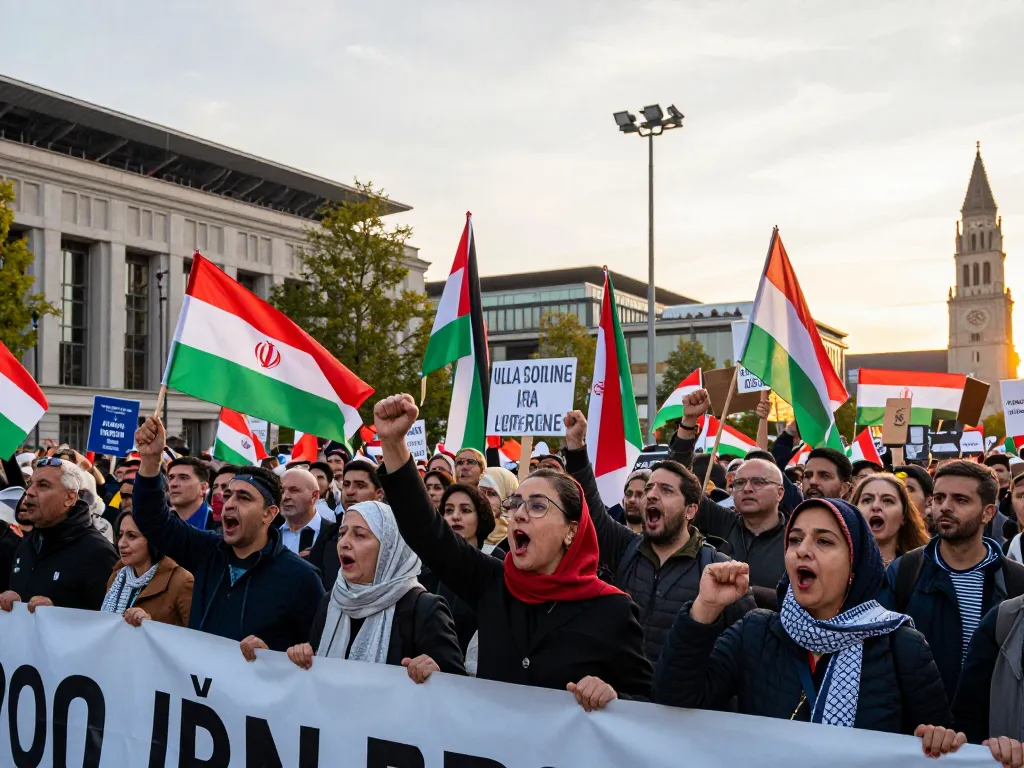
The Context of the Massive Munich Rally Focused on Iran
The recent Massive Munich rally focused on Iran has drawn unprecedented attention to the plight of Iranians under a regime marked by repression and civil unrest. Scheduled alongside the Munich Security Conference, this rally brought together diverse voices calling for significant change in Iran, highlighting the increasing international scrutiny of the Iranian government's actions. The demonstration, which saw an estimated 250,000 participants, was not just a display of discontent but a powerful statement advocating for human rights and freedom.
Background of the Iranian Civil Unrest
The civil unrest in Iran has its roots in a myriad of socio-political issues, including economic mismanagement, government corruption, and the suppression of basic freedoms. The spark for the current wave of protests can be traced back to the tragic death of Mahsa Amini in September 2022, which ignited widespread protests across the nation. These protests have evolved over time, highlighting the deep discontent among various segments of the Iranian population, including women and the youth, about the lack of fundamental human rights and civil liberties.
Significance of the Munich Security Conference
The Munich Security Conference (MSC) serves as a pivotal platform for discussing pressing global security issues, including the relationship between the West and Iran. This year, it became a backdrop for supporters of regime change in Iran to voice their demands for freedom and democracy. With world leaders present, the protesters aimed to leverage this high-profile gathering to gain visibility for their cause and encourage international action against the Iranian government.
Global Attention on Iran's Regime
As protests in Iran continue to gain momentum, the global community is becoming increasingly aware of the regime's repression. The Munich rally was a direct call to action, urging leaders from around the world to hold the Iranian government accountable for its human rights abuses. By assembling in such large numbers, the demonstrators sent a clear message: they seek not only recognition of their struggles but also tangible support from the international community.
Key Highlights from the Rally: Voices for Change
Attendance and Participant Demographics
The attendance at the Munich rally was comprised of a diverse group of individuals, including exiled Iranians, human rights activists, and international supporters of the Iranian cause. This diversity is significant as it reflects the global nature of the fight against the Iranian regime. Many participants traveled from various countries, united by a shared goal: to advocate for change in Iran and support the Iranian people's quest for freedom.
Main Themes and Messages from the Protesters
Protesters conveyed several poignant themes during the rally, with prominent slogans like "Women, Life, Freedom" echoing through the streets. These messages underscored the interconnectedness of human rights and gender equality, showcasing the struggles faced by women in Iran. Additionally, calls for regime change were prevalent, as participants voiced their discontent with the current government and expressed hope for a democratic future.
Influential Speakers and Their Impact
The rally featured a range of influential speakers, including political leaders and prominent activists who galvanized the crowd with their passionate addresses. Reza Pahlavi, the exiled crown prince of Iran, emerged as a key figure, calling for a global day of action in support of the Iranian people's aspirations. His attendance not only drew more media attention to the rally but also highlighted the significance of having a well-recognized voice associated with the Iranian opposition.
The Role of Social Media and International Support
Online Mobilization Before the Rally
In the lead-up to the Munich rally, social media played a pivotal role in mobilizing support and spreading awareness of the event. Hashtags like #IranProtests and #MunichRally trended across platforms, allowing activists to connect with a global audience. This digital mobilization proved crucial in ensuring a high turnout and raising awareness about the issues facing the Iranian people.
Global Responses Through Social Platforms
The massive online engagement around the rally did not go unnoticed. Minutes after the event, various international media outlets, political analysts, and human rights organizations began to circulate information related to the protests and their implications. Many global leaders expressed solidarity with the demonstrators through social media, highlighting the importance of grassroots movements in advocating for fundamental rights.
Impact on International Politics and Relations
The Munich rally's profound impact on international relations cannot be understated. By highlighting the Iranian regime's misconduct, the demonstrators have put pressure on world leaders to reconsider their diplomatic stances towards Iran. As protests escalate, there is a growing expectation for stronger international responses to support the movement for democratic change in Iran, potentially reshaping geopolitical dynamics in the region.
Challenges Faced by Protesters and Activists
Opposition from Iranian Authorities
Despite the powerful message conveyed during the Munich rally, supporters of regime change in Iran face significant challenges, primarily from the Iranian authorities. The government has a history of brutal crackdowns on dissent, and there are concerns about retaliation against activists and protesters both inside Iran and among the diaspora. Such an environment highlights the risks involved in organizing and participating in protests.
Safety Concerns for Participants
Safety remains a paramount concern for those participating in protests against the Iranian regime. The activists involved are often subject to threats, harassment, and violence from government agents. There is an increasing need for protective measures both within Iran and internationally to ensure that demonstrators can express their views without fear of retribution.
Counter Movements and Misconceptions
Counter movements, including pro-regime factions, have attempted to undermine the protesters' message by spreading misinformation and fostering division among opposition groups. Addressing these misconceptions is vital for maintaining a united front and ensuring that the fight against the Iranian regime remains focused and effective.
The Future: Implications of the Rally for 2026 and Beyond
Expected Outcomes and Changes for Iran
Looking ahead, the massive turnout at the Munich rally may catalyze significant political shifts within Iran. Continued international support and pressure could encourage the government to implement reforms or even face a more substantial revolution. The rally has served as a wake-up call, both for Iranian citizens and the global community, about the urgent need for change.
Continuing Global Advocacy for Human Rights
The Munich rally is a reminder of the critical importance of global advocacy for human rights. As awareness of the situation in Iran grows, human rights organizations are likely to intensify their efforts in lobbying for action against the regime. This rally aligns with a broader movement towards accountability for governments that violate human rights, reinforcing the necessity for international coalitions that address such issues.
Lessons Learned and Path Forward for Protest Movements
This rally not only highlighted the challenges faced by Iranian activists but also provided valuable lessons for future movements. Solidarity among diverse groups, effective use of social media, and the ability to galvanize international support can serve as a blueprint for other protests around the world. For Iran, the road ahead may be fraught with challenges, but the resounding message from Munich signifies hope and resilience in the face of oppression.
What impact did the massive Munich rally have on public opinion?
The rally significantly shifted public opinion, bringing greater visibility to the plight of the Iranian people. Through widespread media coverage, the emotions and struggles of the demonstrators reached audiences worldwide, fostering empathy and support for the cause.
How has the Iranian government reacted to the protests?
The Iranian government has condemned the protests, labeling them as foreign interference aimed at destabilizing the nation. This reaction underscores the regime's fear of losing control amidst growing dissent, which could lead to further reprisals against activists.
What future rallies are planned in support of Iranian freedom?
The momentum generated by the Munich rally is likely to inspire additional protests and demonstrations both within Iran and internationally. Activists are already discussing future events aimed at maintaining pressure on the regime and advocating for a free Iran.
How are international leaders responding to the events in Munich?
Many international leaders have expressed solidarity with the protestors, and discussions about more stringent policies against the Iranian regime are becoming more prevalent. The call for a cohesive international strategy to support Iranian activists is echoing through diplomatic channels, reflecting a potential shift in foreign policy.
What role does the Iranian diaspora play in these protests?
The Iranian diaspora has been instrumental in mobilizing support for protests and raising awareness about the situation in Iran. Their global networks allow for greater outreach, facilitating connections between activists and sympathetic political leaders around the world.