What is GRP Grating?
Definition and Composition
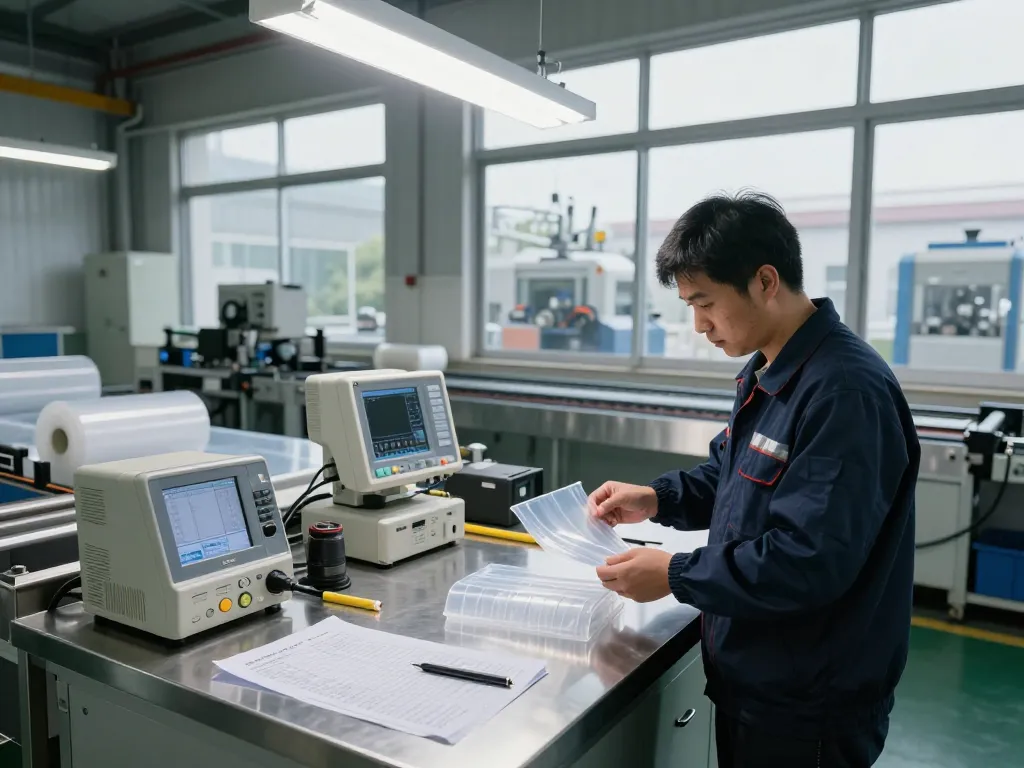
Glass Reinforced Plastic (GRP) grating is a composite material made from fiberglass and resin, designed to provide superior strength-to-weight ratios compared to traditional materials. The grating is formed using either a molded process where resin is injected into molds, creating a solid panel, or through pultrusion, where fibers are pulled through a resin bath and then into a heated die. This results in a highly durable and non-corrosive product, ideal for various industrial applications.
Advantages Over Traditional Materials
GRP grating offers numerous advantages over traditional steel and aluminum gratings. First, it is lightweight, making it easier to handle and install. Additionally, GRP is resistant to corrosion from harsh chemicals, making it suitable for environments where metal would deteriorate. GRP also provides better slip resistance and is non-conductive, contributing to workplace safety. Its longevity and maintenance-free characteristics further position it as a cost-effective solution over time.
Common Applications
GRP grating is used in a myriad of applications across various industries. Common uses include flooring for walkways in chemical processing plants, platforms in water treatment facilities, and as drain covers in public spaces. Its versatility extends to stages, bridges, and even in the entertainment industry where temporary flooring solutions are required. The adaptability of GRP to different customizations makes it a favored choice for specialized projects.
Benefits of Choosing a GRP Grating Supplier
Enhanced Safety Features
One of the primary benefits of selecting a reputable GRP Grating Supplier is the enhanced safety features of their products. GRP grating excels in providing slip resistance, which is crucial in environments that may become wet or greasy. Furthermore, non-conductive materials reduce electrical hazards, making GRP grating ideal for electrical installations. The lightweight nature of GRP also minimizes the risk of injury during installation and transportation.
Cost Efficiency Over Time
While the initial investment in GRP grating may exceed that of traditional materials, the long-term savings are significant. With minimal maintenance needs and unparalleled durability, GRP grating can last for decades. Its resistance to corrosion and wear reduces replacement costs, while its lightweight properties lead to lower installation costs. These factors contribute to a clear cost advantage when considering the life cycle of the product.
Environmental Impact and Sustainability
Opting for GRP grating supports environmental sustainability. The manufacturing process is less energy-intensive than that of metals, and the longevity of GRP means less frequent replacements, ultimately leading to less waste. Additionally, many suppliers are now focusing on sustainable practices, using eco-friendly resins and materials in the production of GRP products. This makes GRP grating a responsible choice for environmentally-conscious businesses.
Selection Criteria for GRP Grating Suppliers
Quality Certifications and Standards
When choosing a GRP grating supplier, it’s vital to consider their adherence to quality certifications and industry standards. Certified suppliers often meet rigorous benchmarks that guarantee their products will perform as expected under various conditions. Look for certifications from relevant authorities that ensure compliance with safety standards in your industry, which can also be a testament to the supplier’s credibility.
Product Variety and Customization Options
A reliable supplier should offer a diverse range of GRP grating types and sizes to accommodate various industrial requirements. Customization options are also essential. Whether it's varying thickness, color options, or the ability to modify dimensions, having flexibility allows businesses to select the perfect fit for their applications. This is especially critical for projects with unique specifications or challenging environments.
Customer Reviews and Testimonials
Researching customer reviews and testimonials can provide valuable insight into a supplier's reputation. Positive feedback often highlights product reliability, customer service, and overall satisfaction. Engaging with existing customers or researching case studies can offer a deeper understanding of the supplier’s capabilities and the performance of their products in real-world applications.
Installation and Maintenance of GRP Grating
Step-by-Step Installation Guide
Installing GRP grating can be straightforward due to its lightweight and simple fastening systems. Here’s a basic guide:
- Site Preparation: Ensure the support structure is clean and sufficiently sturdy.
- Measurement: Measure the required areas and cut the grating to size using appropriate tools.
- Placing Grating: Lay the panels onto the support structure starting from one corner, ensuring a tight fit.
- Fastening: Secure the grating panels using the recommended fastening systems (clips, screws, etc.).
- Final Checks: Inspect the installation for stability and make adjustments as needed.
Routine Maintenance Practices
One of the advantages of GRP grating is its low maintenance requirement. Regular checks should be conducted to ensure that the grating remains free of debris and accumulated dirt. A periodic rinse with water is usually adequate to keep the surface clean. Any loose fasteners should be tightened promptly to maintain integrity, and it’s wise to replace any damaged panels to prevent safety hazards.
Troubleshooting Common Issues
Addressing issues with GRP grating can be straightforward. For instance, if sections begin to sag or show signs of wear, it may indicate an inadequate support structure. In such cases, inspect the supports and consider adding additional reinforcement. If a panel is damaged, it’s vital to replace it promptly while ensuring that the installation process remains consistent with safety standards.
Frequently Asked Questions about GRP Grating
What is the difference between GRP and conventional steel grating?
GRP grating is lighter, corrosion-resistant, and typically requires less maintenance than steel grating, which can rust and degrade over time.
How long does GRP grating last?
With proper installation and maintenance, GRP grating can last many decades, often exceeding 30 years depending on environmental conditions.
Can GRP grating be customized for specific applications?
Yes, GRP grating can be tailored in terms of size, thickness, and color to meet the unique needs of various applications.
Is GRP grating suitable for outdoor use?
Yes, GRP grating is designed for both indoor and outdoor environments due to its high resistance to UV rays and corrosion.
How do I ensure safety compliance with GRP grating?
To ensure compliance, select GRP grating that meets industry safety standards and conduct regular inspections to maintain performance and safety.