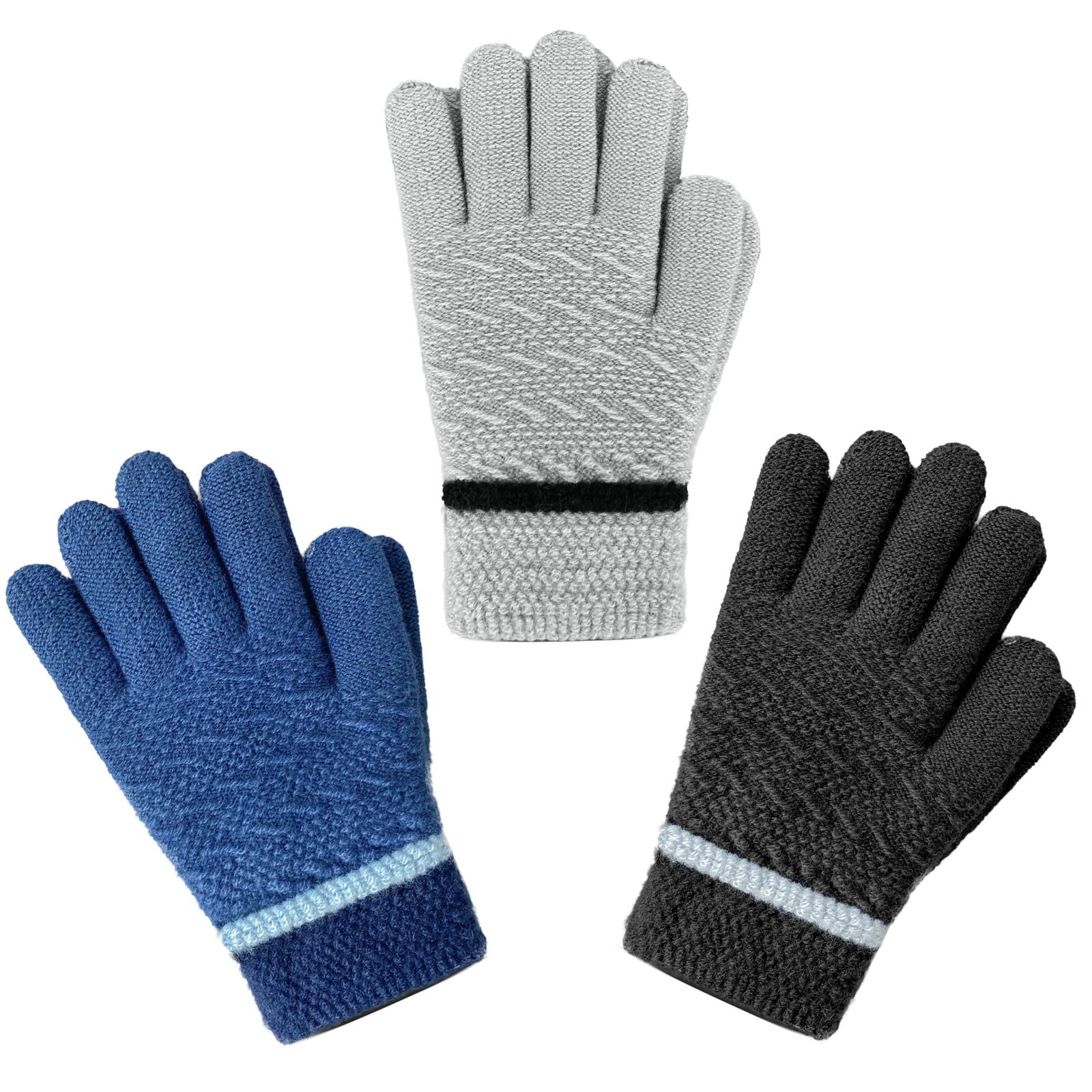
The Importance of Safety Gloves in Kenya
In industries ranging from construction to manufacturing, ensuring the safety of workers is paramount. One essential tool for protection in many of these environments is safety gloves in Kenya. These gloves not only serve as a barrier between the hands and potential hazards but also improve grip and reduce fatigue during manual handling. As Kenya's industrial and construction sectors continue to grow, the relevance of effective safety equipment becomes increasingly evident.
Understanding the Need for Safety Gloves
The demand for reliable safety gloves is rooted in the risks associated with various occupational environments. Workers encounter a myriad of safety hazards, such as sharp objects, extreme temperatures, and hazardous chemicals. In this context, the necessity for appropriate hand protection becomes critical. Safety gloves can prevent injuries that could lead to downtime, medical costs, and even long-term disabilities. Moreover, they play a significant role in enhancing productivity since a secure grip can facilitate better handling of tools and materials.
Key Features to Look for in Safety Gloves
When selecting safety gloves, several key features should be considered to ensure adequate protection and comfort:
- Material: The glove material can greatly impact its protection level. Common options include latex, nitrile, leather, and Kevlar, each catering to different needs.
- Grip: A textured surface can enhance grip, which is crucial for handling tools in slippery conditions.
- Flexibility: Gloves should offer enough flexibility to perform tasks efficiently without compromising protection.
- Size Fit: Proper sizing is essential for comfort and effectiveness. Gloves that are too large or small can lead to accidents.
- Protection Level: Depending on the task, gloves may need to be cut-resistant, heat resistant, or chemical resistant.
Compliance and Safety Regulations in Kenya
In Kenya, workplace safety regulations are governed by guidelines set forth by various authorities, including the Occupational Safety and Health Act. Employers are required to provide personal protective equipment, including safety gloves, to protect workers from occupational hazards. Compliance with these regulations is not only essential for the welfare of employees but also crucial for businesses to avoid legal repercussions. Regular audits and training must be conducted to ensure that employees are aware of the safety measures in place, including the correct use and maintenance of their gloves.
Types of Safety Gloves Available in Kenya
Cut-Resistant Safety Gloves
Cut-resistant gloves are designed to protect the hands from sharp edges and tools across various industries such as construction, metal fabrication, and glass handling. These gloves are often manufactured using composite materials that enhance their protective qualities while retaining flexibility. Look for a pair that has a cut resistance rating, with higher levels providing outstanding protection against sharp materials.
Heat and Flame-Resistant Gloves
For environments involving high temperatures or fire hazards, heat and flame-resistant gloves are indispensable. Commonly utilized in welding, metalworking, and cooking industries, these gloves are crafted from materials that withstand significant heat without degrading. They are designed to provide dexterity while ensuring hands are shielded from burns and other thermal injuries.
Chemical-Resistant Safety Gloves
Workers in laboratories, agriculture, and chemical processing facilities frequently require gloves that resist chemical exposure. Chemical-resistant safety gloves can be made from materials such as nitrile, PVC, or neoprene, which offer varying levels of protection against specific substances. It is crucial to consult a chemical compatibility chart to select the appropriate gloves based on the chemicals encountered in the workplace.
Choosing the Right Safety Gloves for Your Needs
Assessing Your Industry Requirements
Every industry has unique requirements when it comes to hand protection. Conducting a thorough risk assessment can help determine the specific hazards present in your workplace. Generally, consider the nature of tasks, materials handled, and potential exposure risks to narrow down the type of gloves necessary. Understanding these factors will empower you to make a well-informed decision about which safety gloves to procure.
Fit and Comfort Considerations
A crucial aspect of selecting safety gloves is ensuring a proper fit. Ill-fitting gloves can hinder movement, reduce dexterity, and potentially lead to accidents. It is advisable to measure hand size accurately and consult sizing charts before purchasing. Test the gloves for comfort by conducting tasks typical of day-to-day operations, ensuring they strike the right balance between snugness and ease of movement.
Budgeting for Quality Safety Gloves
While it's tempting to opt for the least expensive options available, investing in quality safety gloves pays dividends in the long run. Low-cost gloves may offer inadequate protection and wear out more quickly, leading to additional expenses and safety risks. Budgeting for reliable gloves helps ensure that workers are protected adequately, thereby enhancing workplace safety and productivity.
Best Practices for Maintaining Safety Gloves
Cleaning and Care Techniques
Proper maintenance of safety gloves is essential to prolong their lifespan and effectiveness. Cleaning techniques depend on the glove material: for example, latex and nitrile gloves can typically be wiped down with disinfecting wipes, while leather gloves may require special cleaners. It’s important to follow manufacturer guidelines to prevent damage while ensuring hygiene standards are met.
When to Replace Your Safety Gloves
Even the best safety gloves will eventually wear out. Signs that it's time to replace them include visible damage such as tears or holes, decreased grip performance, or odors that may indicate contamination. Regular inspections should be carried out to ensure that gloves remain functional and protective.
Preventing Wear and Tear
To minimize wear and tear on safety gloves, encouraging proper storage practices is vital. Gloves should be stored in a cool, dry place away from direct sunlight. Additionally, creating a routine for checking gloves and ensuring workers adhere to best practices can significantly extend their life.
Frequently Asked Questions about Safety Gloves in Kenya
What factors should I consider when choosing safety gloves?
Consider material compatibility, level of protection required, style for specific tasks, and glove size for comfort and effectiveness.
How long do safety gloves typically last?
The lifespan of safety gloves varies by material, usage frequency, and conditions. Typically, they should be replaced when signs of wear or damage appear.
Are there specific gloves for different industries?
Yes, different industries require specific gloves based on the hazards present, such as cut resistance, chemical protection, or heat resistance.
What maintenance practices improve glove lifespan?
Regularly clean according to manufacturer guidelines, store in cool, dry conditions, and check for damage frequently to improve glove lifespan.
How do I ensure proper fit for safety gloves?
Measure your hand size accurately and consult sizing charts. Try on gloves to ensure a snug fit that allows for flexibility and movement.