Understanding Home Renovation Basics
What is Home Renovation?
Home renovation refers to the process of improving or updating a residential property. It encompasses a wide range of projects, from minor repairs and aesthetic enhancements to complete overhauls of entire homes. This can involve structural changes, such as removing or adding walls, updating fixtures, or modernizing electrical and plumbing systems. Renovation aims to enhance both the functionality and appearance of a home, making it more liveable and appealing to its inhabitants.
Types of Home Renovation Projects
When considering a Home renovation, it helps to break down projects into various categories. These may include:
- Kitchens: Often the heart of a home, kitchen renovations can include new cabinetry, countertops, and appliances. Homeowners may choose to rearrange the layout for better flow and functionality.
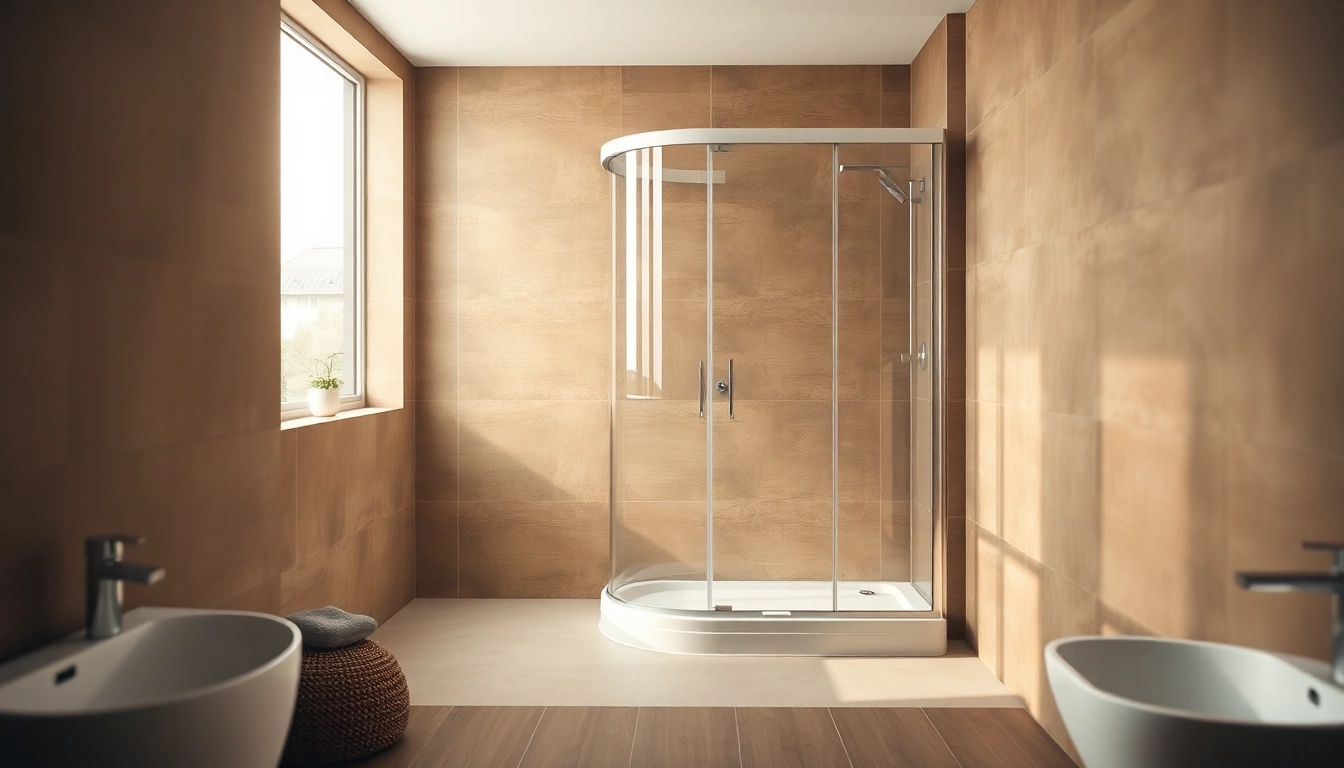
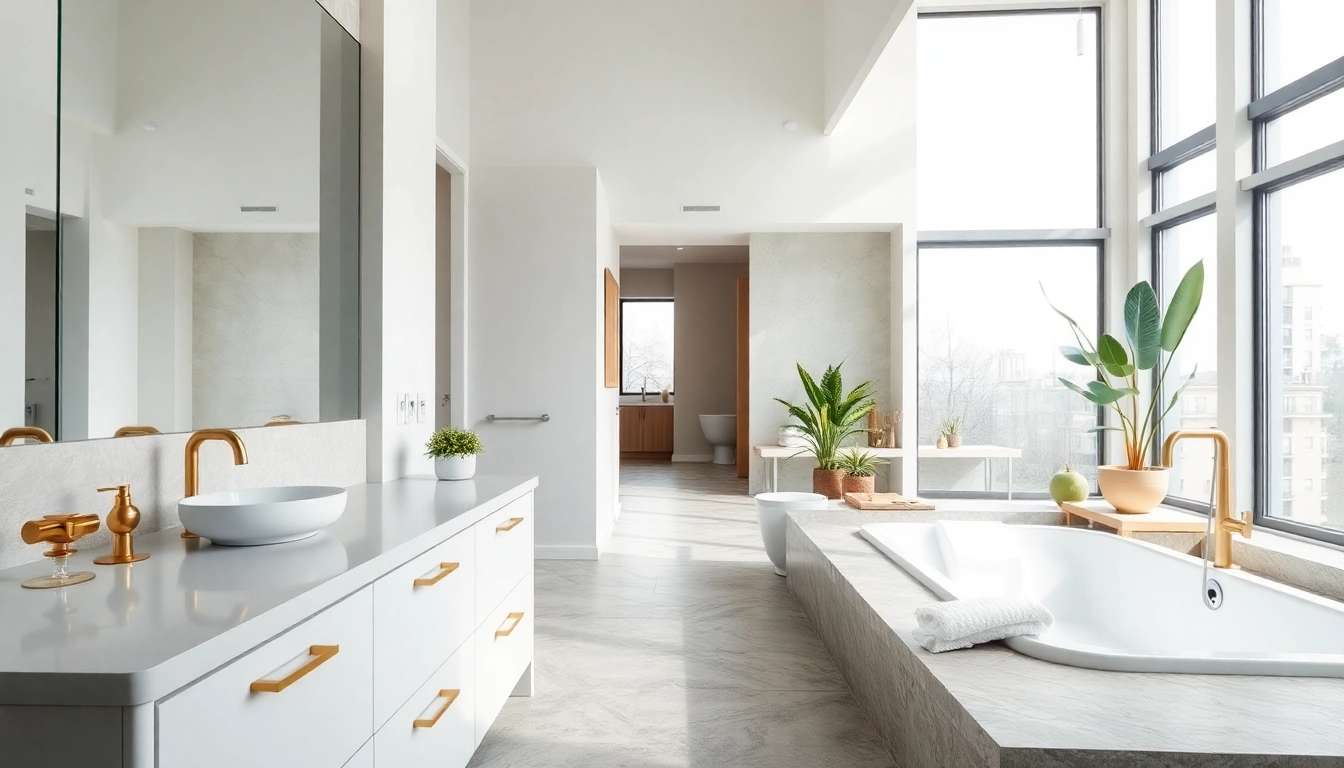
- Bathrooms: Bathroom renovations might involve upgrading fixtures, adding storage, or improving ventilation. High-impact changes like installing a new bathtub or walk-in shower can dramatically alter a space.
- Basements: Finishing a basement adds usable space to a home. This could be transformed into a family room, an office, or even an additional bedroom.
- Internal Updates: This category involves altering the internal layout of a home, like removing a wall to create an open concept living area or adding a room for extra space.
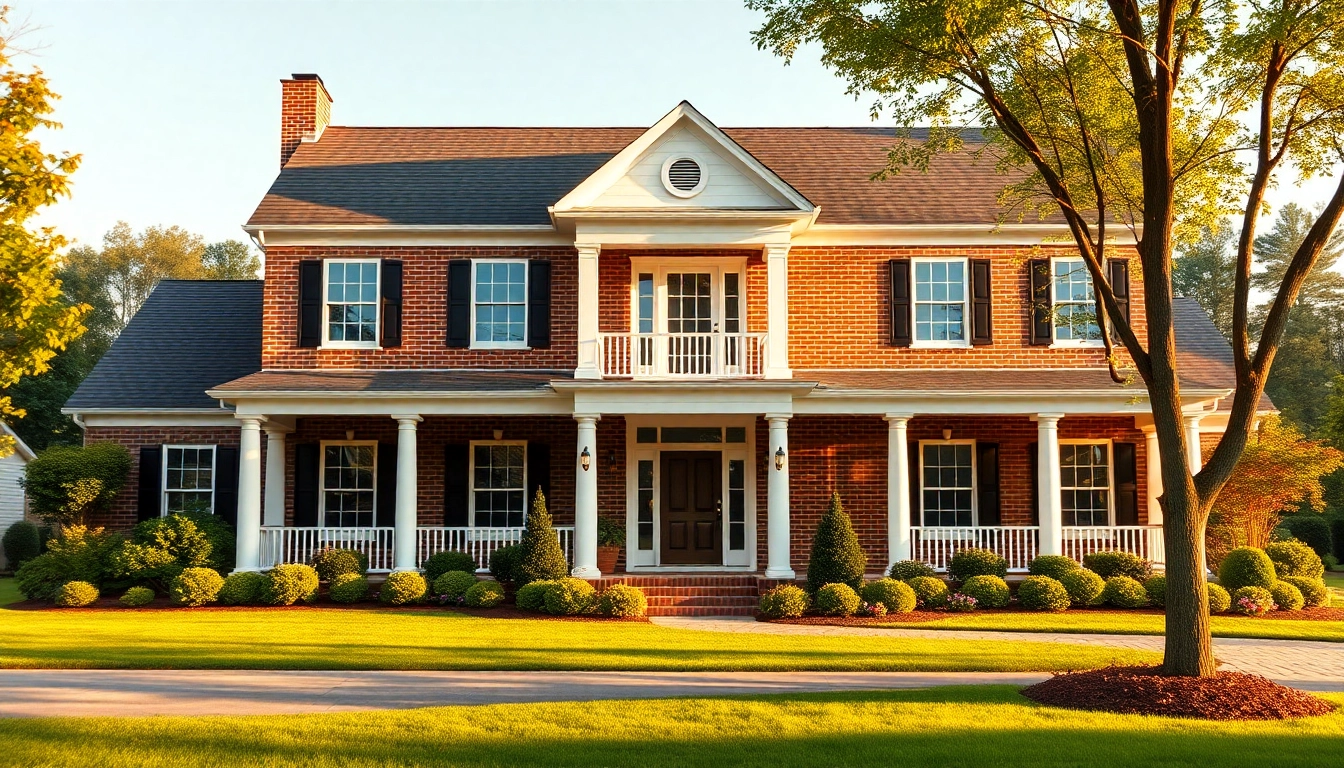
- Exterior Enhancements: Renovating the exterior might include siding replacement, window upgrades, or landscaping updates that enhance curb appeal.
Benefits of Home Renovation
The benefits of home renovation extend far beyond mere aesthetics. Some key advantages include:
- Increased Property Value: Well-planned renovations can increase the market value of a home, often providing a good return on investment when it comes time to sell.
- Enhanced Comfort: Renovations allow homeowners to tailor their living space to fit their needs, improving overall comfort and usability.
- Energy Efficiency: Updating outdated systems can lead to significant savings on energy bills, thanks to improved insulation, energy-efficient windows, and modern HVAC systems.
- Personal Style: Renovating gives homeowners the freedom to express their personal style and preferences, creating a space that truly feels like home.
- Safety and Compliance: Renovations can also address safety issues, making necessary updates to meet current building codes and standards.
Planning Your Home Renovation
Setting Your Renovation Goals
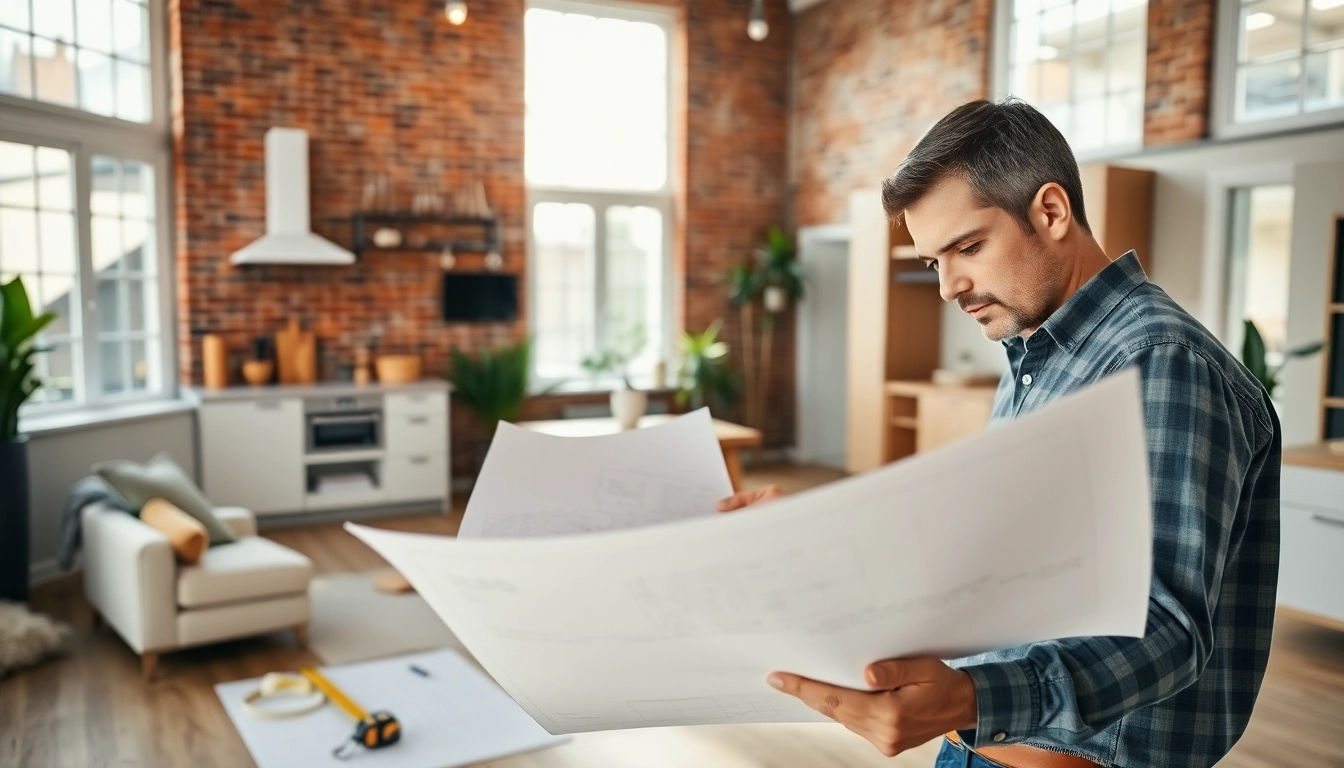
Before embarking on any renovation project, it's crucial to define clear goals. This involves not only identifying what changes you want to make but also understanding the reasons behind these choices. Are you looking to refresh dated aesthetics, improve functionality, or expand your living space? Setting specific, measurable goals can help guide your renovation process and ensure that you stay focused on your intended outcomes.
Budgeting for Home Renovation
Creating a realistic budget is vital for the success of any renovation project. Start by estimating the costs associated with materials, labor, and unexpected expenses that may arise during the renovation process. It's advisable to allocate an additional 10-20% of your budget for contingencies to address unanticipated costs. Be sure to prioritize essential renovations and consider phasing your project if the budget is tight, allowing you to make incremental updates over time.
Creating a Timeline for Your Renovation
Time management is another crucial aspect of planning a renovation. A well-structured timeline will help you set expectations for the project duration. Begin by determining a realistic start and end date, factoring in potential delays and the availability of materials and labor. Communicating your timeline with contractors and suppliers ensures everyone is on the same page and can help mitigate frustrations during the renovation.
Selecting the Right Materials and Styles
Choosing Sustainable Materials
In today's eco-conscious world, many homeowners are prioritizing sustainability in their renovations. Choosing environmentally friendly materials can reduce your carbon footprint and often yield long-term savings. Consider options like reclaimed wood, bamboo flooring, and energy-efficient appliances. Additionally, selecting materials produced locally can lower transportation emissions and support regional economies.
Popular Design Trends for Home Renovation
Staying updated on design trends can inspire choices that enhance the overall aesthetic of your home. Currently, popular trends include:
- Open Floor Plans: These layouts promote spaciousness and facilitate natural traffic flow.
- Smart Home Integration: Home automation for security, lighting, and energy efficiency is increasingly desirable.
- Natural Light: Features like skylights and larger windows are designed to improve daylighting and energy efficiency.
- Minimalism: A clean, uncluttered approach emphasizes function and simplicity in design.
- Vintage and Retro Styles: Nostalgic elements can lend character and charm to any renovation.
Balancing Aesthetics with Function
While aesthetics play a significant role in renovation, functionality must remain paramount. Assess the practical requirements of the space, ensuring that style does not compromise usability. For instance, selecting attractive but durable materials for high-traffic areas can prevent quick wear and tear. Aim for designs that harmoniously blend beauty and practicality, leading to spaces that look good and serve their purpose effectively.
Hiring Professionals for Your Home Renovation
Finding Trusted Contractors
Identifying the right team to execute your renovation is crucial. Start by gathering recommendations from friends or family and conducting thorough online research. Look for licensed contractors with positive reviews and a portfolio demonstrating prior work that aligns with your vision. Always verify credentials and check references to ensure quality and reliability.
Interviewing and Vetting Potential Teams
Once you have a shortlist of potential contractors, it's time to interview them. Prepare a set of questions that cover project experience, timeframes, and their approach to challenges that may arise during renovation. Request bids and clarify the scope of work to compare estimates effectively. Be wary of bids that seem significantly lower than others, as they may indicate potential issues down the line.
Understanding Contracts and Agreements
When engaging with contractors, ensure that all agreements are documented in a detailed contract. This should outline the project's scope, timeline, payment schedule, and procedures for handling changes or disputes. Review the contract thoroughly before signing, and don’t hesitate to ask for clarifications on any terms that are unclear.
Post-Renovation Considerations
Decorating and Furnishing Your Renovated Space
Once the renovation is complete, it's time to focus on decorating your new space. Start by selecting colors, furniture, and decor that reflect your style while complementing the renovations made. Consider the flow of the space and how each item interacts with the newly renovated areas to create a cohesive look.
Maintaining Your New Renovation
To ensure the longevity of your renovation, establish a regular maintenance routine. This includes scheduling inspections for critical systems such as plumbing and HVAC, as well as making timely repairs to prevent larger problems. Regular cleaning and care of surfaces, fixtures, and appliances are equally important in preserving their appearance and functionality over time.
Evaluating the Success of Your Home Renovation
After completing your renovation, take time to evaluate the success of the project against your initial goals. Has your home become more functional? Are the aesthetics aligned with your vision? Gathering feedback from family members who utilize the space can provide additional insights. This reflective process is crucial in understanding the impact of your renovation, informing future projects, and celebrating the improvements made in your home.