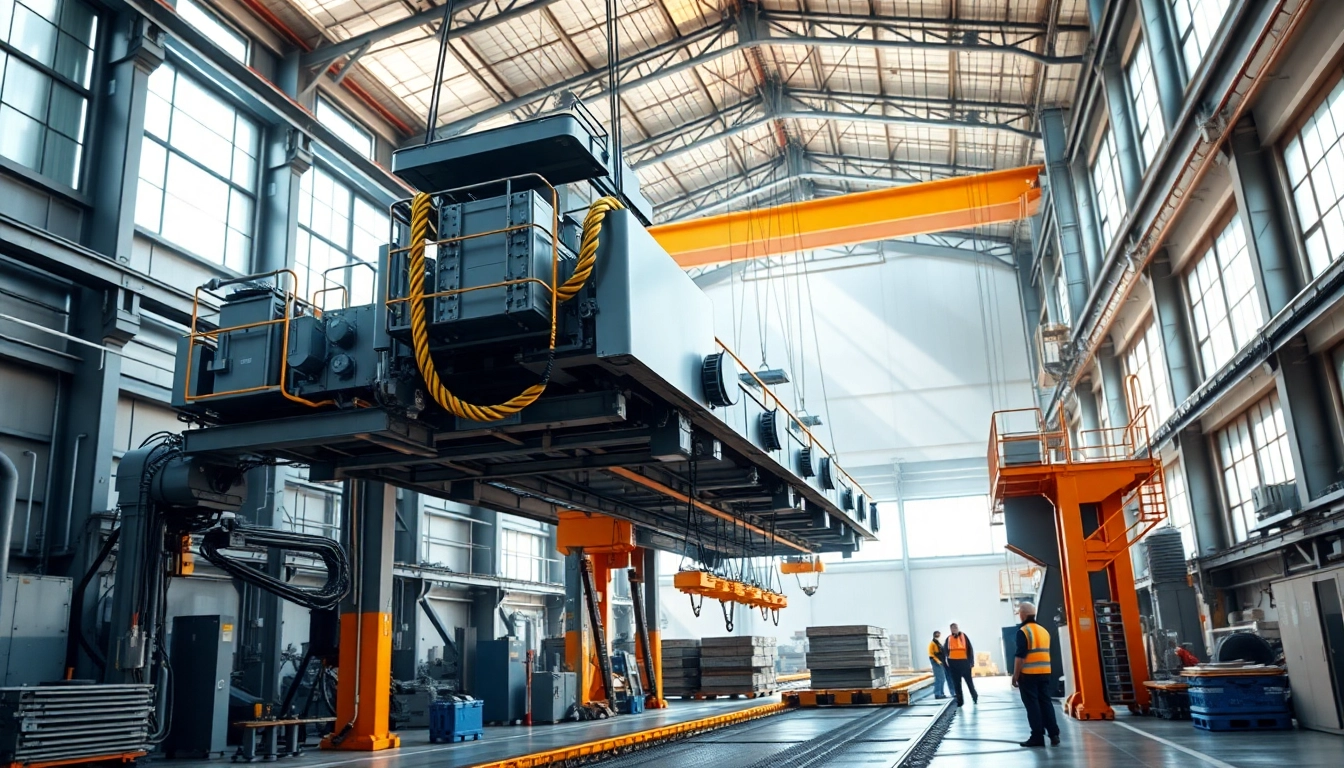
Understanding Bridge Cranes: A Comprehensive Overview
Bridge cranes, often referred to as overhead cranes, are essential tools in various industrial settings, designed to lift and move heavy loads with ease and precision. These structures consist of a hoist, a bridge, and end trucks that allow the crane to travel along fixed runways. As industries evolve, so does the technology behind these cranes, making them more efficient and reliable than ever before. When exploring options, bridge cranes offer comprehensive insights into enhancing material handling processes across manufacturing, construction, and warehousing sectors.
What is a Bridge Crane?
A bridge crane is a type of overhead crane specifically engineered to span large industrial spaces, typically consisting of two parallel runways, which support a hoist mechanism that travels along the bridge. This design allows for maximum coverage of the workspace, making it a versatile lifting solution for handling heavy materials. Bridge cranes are commonly used in factories, warehouses, and assembly lines, where they facilitate the movement of goods efficiently and safely.
Components of a Bridge Crane
Key components that make up a bridge crane include:
- Bridge Beam: The main horizontal structure that spans between the runways.
- End Trucks: These units connect the bridge to the runway and facilitate movement along the tracks.
- Hoist: The mechanism that lifts and lowers the load, generally powered by electric or hydraulic systems.
- Runways: Fixed tracks that provide the pathway for the bridge crane to travel.
- Control System: The interface used by operators to manage crane functions, which can be manual, pendant, or remote-controlled.
Types of Bridge Cranes Used in Industries
Bridge cranes come in various types, each tailored for specific industrial applications:
- Single Girder Cranes: These cranes utilize one beam and are ideal for lighter loads. They are cost-effective and versatile.
- Double Girder Cranes: Featuring two beams, these cranes support heavier loads and provide better stability and lifting capabilities.
- Underhung Cranes: Mounted directly from the building’s structure, these cranes save overhead space and are suitable for low-clearance facilities.
- Freestanding Cranes: Independent of the facility’s structure, these cranes can be installed anywhere, making them highly flexible for different workspaces.
Key Advantages of Using Bridge Cranes
Increased Efficiency in Material Handling
The primary advantage of bridge cranes lies in their ability to enhance operational efficiency. By moving materials quickly between workstations, bridge cranes significantly reduce the time and labor costs associated with manual handling. With the capacity to lift heavy loads and navigate large areas, these cranes expedite production processes and streamline workflows.
Enhanced Safety Measures Compared to Traditional Cranes
Bridge cranes are designed with safety as a priority. They incorporate various safety features such as emergency stop buttons, limit switches, and overload protection, which help prevent accidents and ensure safe operation. Additionally, the design of these cranes minimizes the risk of tipping or falling loads, providing a safer working environment for operators and nearby personnel.
Cost-Effectiveness and Long-Term Savings
Though the initial investment in bridge cranes can be significant, the long-term savings they offer can outweigh these costs. Improved efficiency leads to lower operational costs and a reduced need for manual labor, which can save on human resource expenses. Moreover, bridge cranes require less maintenance than many other types of lifting equipment, contributing to reduced operational costs over time.
Bridge Crane Selection: Factors to Consider
Capacity and Load Requirements
When selecting a bridge crane, understanding your capacity needs is critical. Evaluate the maximum weight you expect to lift and choose a crane that meets or exceeds these requirements. It's important to consider not just the weight of the load, but also the dynamics involved, as lifting and moving can introduce additional strain on the crane system.
Space and Structural Considerations
The available space for installation will greatly influence the type of bridge crane you select. Measure the height and width of your workspace to determine if a single or double girder design is more appropriate. Additionally, structural integrity needs to be assessed to ensure the facility can support the crane's weight and operational demands.
Customization Options for Specific Needs
Many manufacturers offer customization options to tailor the crane to your exact specifications. This could include modifications in hoist type, control systems, or special features that enhance usability in unique operational environments. Investing in a customized solution can lead to better productivity and efficiency tailored to the specific needs of your operation.
Best Practices for Operating Bridge Cranes
Training and Certification for Operators
To operate bridge cranes safely and effectively, operators must be properly trained and certified. Training programs should cover not only the operational aspects but also the safety features and emergency protocols. Regular re-training ensures that operators stay updated on best practices and any changes in technology or safety regulations.
Regular Maintenance and Inspection Protocols
Routine maintenance is essential to prolong the life of a bridge crane and ensure safe operation. Scheduled inspections should be performed to check for wear and tear on mechanical parts, evaluate safety devices, and ensure that all components are functioning as intended. A preventive maintenance plan can help identify potential issues before they lead to costly repairs or downtime.
Safety Precautions During Operation
Safety should always be a top priority when operating bridge cranes. Operators and other personnel should maintain a safe distance from the load being lifted, and appropriate personal protective equipment (PPE) should be worn. Clear communication among team members during crane operations is vital to prevent accidents and ensure proper coordination.
Future Trends in Bridge Crane Technology
Integration of Smart Technology and Automation
The future of bridge cranes lies in the integration of smart technology and automation. Many manufacturers are developing cranes equipped with sensors and software that can monitor load weights, track usage patterns, and provide real-time data to operators. This level of insight allows for better decision-making and can lead to improved efficiency and safety in operations.
Environmental Sustainability in Crane Design
With growing awareness of environmental issues, the crane manufacturing industry is focusing on sustainability. Future designs may incorporate energy-efficient motors, lighter materials, and systems that minimize energy consumption during operation. These innovations not only reduce the environmental footprint but can also result in cost savings for users.
Predictions for Industrial Applications by 2025
By 2025, bridge crane applications are expected to expand significantly due to advancements in technology and changing industrial needs. Increased automation and the rise of smart factories will integrate bridge cranes more thoroughly into operations, enhancing both productivity and safety. As industries strive for higher efficiency and lower operational costs, bridge cranes will play a pivotal role in streamlining processes and enhancing material handling capabilities.