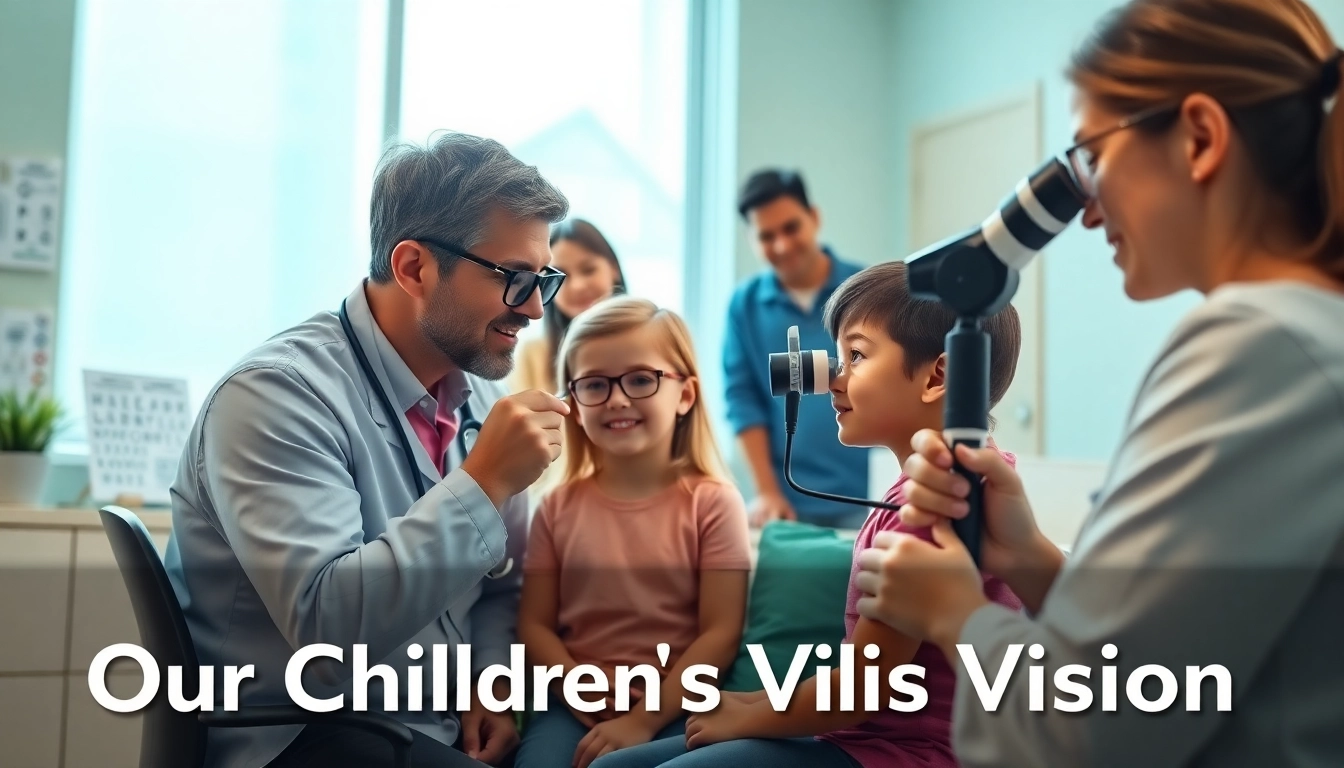
Understanding the Importance of Eye Health in Children
The health of a child's eyes can drastically shape their quality of life and developmental trajectory. As children grow, they encounter an array of visual stimuli that play a vital role in their cognitive and physical development. Given this influence, prioritizing eye health is crucial. The impact of vision on various life stages cannot be understated. In particular, access to proper eye care is fundamental to ensuring a brighter future for the younger generation. Initiatives such as Our Children's Vision have emerged to address the pressing needs of children's eye health globally.
The Role of Vision in Child Development
Vision is more than just the ability to see; it integrates sensory input and cognition, enabling children to engage with their environment. Proper vision aids in learning and social interaction, crucial components of a child's growth. Research indicates that visual experiences contribute to brain development in a significant way. Eye health directly influences critical skills such as reading, problem-solving, and even social behaviors. For instance, children with untreated vision problems may struggle academically and socially, leading to a host of adverse outcomes. By ensuring regular eye checkups and swift treatment of any issues, parents can help secure their child's developmental milestones.
Prevalence of Vision Impairment Among Youth
The statistics surrounding vision impairment among children are alarming. Estimates suggest that millions of children worldwide suffer from unaddressed vision problems. Conditions such as myopia, hyperopia, and astigmatism can hinder a child's ability to thrive in both educational settings and day-to-day life. Furthermore, socio-economic factors often exacerbate these challenges, with children from disadvantaged backgrounds facing higher risks of vision impairment due to lack of access to eye care services. Efforts to bridge this gap are essential, as they can prevent long-term detrimental effects on these children’s futures.
Identifying Common Eye Problems in Children
Recognizing potential eye problems early on can significantly enhance the success of treatment. Common conditions include refractive errors, lazy eye (amblyopia), and strabismus (crossed eyes). Parents and caregivers should be observant for signs such as squinting, sitting too close to screens, and trouble focusing on objects. Routine eye examinations are critical for early detection and intervention, allowing for timely corrective actions that can improve vision quality.
How Our Children's Vision Campaign Is Making a Difference
The Our Children's Vision campaign has emerged as a trailblazer in promoting child eye health globally. By uniting various stakeholders, from healthcare providers to community leaders, the initiative exemplifies a collaborative approach to combat childhood vision impairment.
Overview of Initiatives and Partnerships
Through a network of strategic partnerships, the campaign supports the development and implementation of effective eye health programs. Collaborations with non-profits, schools, and healthcare providers allow for the sharing of resources and expertise, amplifying the impact of each initiative. These partnerships focus on increasing awareness, facilitating access to screenings, and providing necessary eyeglasses to children in need.
Success Stories and Milestones Achieved
One of the campaign's significant accomplishments is the number of children reached with essential eye care services. Stories from families who have benefited from screenings and treatments include children who have improved their academic performance and regained the joy of outdoor play. Such testimonials highlight the campaign's tangible benefits and model for success. Each success story not only encourages further investment in vision health but also serves as a beacon of hope for those who may struggle with similar challenges.
The Impact of Awareness on Eye Health
Raising awareness about eye health is paramount to the campaign's strategy. Educational initiatives aim to equip parents and caregivers with knowledge about the importance of routine eye checks and how to recognize potential vision problems. With increased awareness, communities can take proactive approaches, leading to early detection and preventative care. The campaign's outreach efforts also include informational resources designed to demystify eye health and emphasize its importance in children's overall well-being.
Best Practices for Promoting Eye Health in Children
Promoting good eye health involves more than just addressing existing problems; it includes implementing best practices, fostering preventative measures, and engaging in healthy habits.
Regular Eye Examinations: What to Expect
Regular eye examinations are a cornerstone of preventive care. Parents should be aware of the recommended frequency of pediatric eye exams, which vary by age. Typically, children should undergo their first comprehensive eye exam at six months, another at three years, and subsequent examinations every two years, or as recommended by their eye care provider. During these exams, various tests assess visual acuity, eye coordination, and other critical eye functions. Understanding what to expect can ease anxiety for both parents and children, ensuring everyone is prepared for a productive visit.
Protective Measures Against Eye Diseases
Protective measures play a vital role in preserving eye health. Encouraging children to wear protective eyewear during sports and outdoor activities can significantly reduce the risk of injury. One of the most critical eye diseases affecting youth is UV exposure, which can lead to long-term damage. Teaching children the importance of wearing sunglasses and hats during sunlight exposure can mitigate these risks. Additionally, promoting screen-time breaks can help reduce eye strain associated with excessive use of digital devices, countering the growing trend of digital eye strain in today’s tech-driven landscape.
Encouraging Healthy Eye Habits at Home
Creating an environment that emphasizes healthy eye habits is essential. This can range from setting screen time limits to encouraging outdoor play, which is beneficial for eye health. Parents can also introduce a well-balanced diet rich in vitamins A, C, and E, zinc, and omega-3 fatty acids, which have been linked to improved eye health. Simple activities, such as reading together or engaging in arts and crafts, can also foster good habits while enhancing visual engagement. By embedding these practices into daily routines, families can work towards sustaining long-term eye health.
Community Support and Involvement in Eye Care
Community engagement plays a pivotal role in advancing eye health initiatives. By fostering a culture of support, collective efforts can lead to substantial changes in children’s eye care access and awareness.
Ways to Volunteer and Support Eye Health Initiatives
Volunteering for local eye health initiatives can make a significant difference in community care. Opportunities may include participating in vision screening programs, assisting with community education efforts, or supporting fundraising activities for eye health services. By volunteering, individuals can contribute their time and skills to strengthen local programs that directly benefit children. Engaging in such initiatives often aligns with personal values and provides a fulfilling way to support the cause.
Engaging Schools and Educational Programs
Schools serve as a critical access point for promoting eye health awareness among children. Educational programs can incorporate eye health curricula, training staff to recognize signs of vision impairment and encouraging regular screenings. By collaborating with local eye care providers, schools can facilitate on-site vision screenings, making it easier for children to receive essential care without the burden on families. Encouraging parent-teacher discussions regarding the importance of regular eye exams can further solidify community commitment to child eye health.
Building Awareness Through Social Media and Outreach
Social media platforms have emerged as powerful tools for raising awareness about child eye health. Campaigns can leverage these platforms to disseminate critical information, share success stories, and promote upcoming events. Engaging storytelling can captivate audiences and motivate action among supporters. Additionally, using social media for awareness can facilitate broader outreach, connecting communities globally and fostering a sense of shared purpose in uplifting children's eye health.
Future Directions for Our Children's Vision
As the campaign moves forward, strategies are being developed to enhance access to eye care services globally, fueled by a commitment to innovation and ongoing research in pediatric eye health.
Expanding Access to Eye Care Services Globally
Efforts to expand access to eye care involve understanding barriers that prevent children from receiving necessary care. Strategies include establishing mobile clinics in underserved areas, enhancing telehealth services, and leveraging community health workers to reach remote populations. By addressing logistical and financial challenges, initiatives aim to democratize access to eye care. The goal is to ensure that children, regardless of their geographical or socio-economic status, can receive timely and effective eye care interventions.
Research and Innovations in Pediatric Eye Health
Staying at the forefront of research enables initiatives to introduce innovative solutions tailored to children's unique needs. Ongoing studies in technology, such as AI-assisted diagnostics, offer promising avenues for improving early detection rates. Furthermore, research into the effectiveness of various interventions can guide best practices and the allocation of resources. A commitment to continual learning and adaptability is essential to evolving the landscape of pediatric eye care.
How You Can Get Involved and Make a Difference
Empowering individuals to take action is fundamental to the success of initiatives like Our Children's Vision. Whether through advocacy, volunteering, or simply spreading the word, everyone can play a part. Educating oneself about eye health, participating in community programs, and encouraging discussions around childhood eye care represent just a few ways to contribute. Collective action, driven by informed and passionate individuals, can catalyze substantial, positive change for children's vision worldwide.