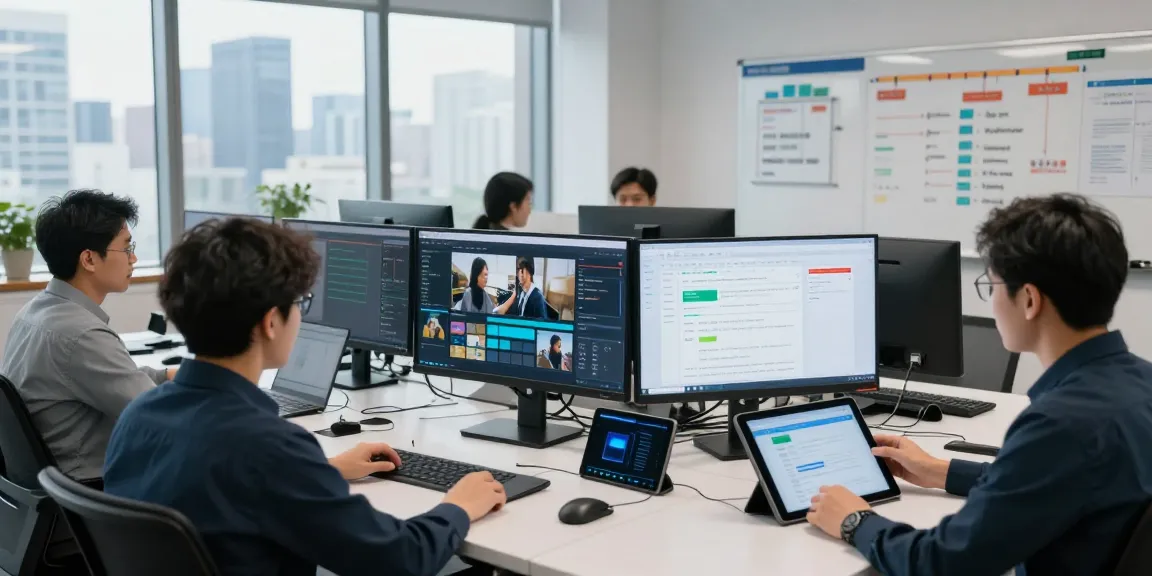
Understanding Computer Support and Services
In today’s technology-driven world, businesses and individuals alike rely heavily on their computer systems for daily operations and personal tasks. As such, the need for efficient computer support and services has become more pertinent than ever. This article seeks to explore the various aspects of computer support and services, including what they entail, the importance of professional guidance, and key terminology that can empower users to make informed decisions.
What are Computer Support and Services?
Computer support and services encompass a wide array of activities that help users maintain, troubleshoot, and optimize their computer systems. These may include technical assistance for hardware and software issues, network support, IT consulting, data recovery, and cybersecurity services. The approach to computer support can vary greatly depending on the user’s needs, the complexity of the issues at hand, and the environment (home or business) in which the computer systems operate.
Importance of Professional Guidance
As technology becomes increasingly sophisticated, the necessity for professional guidance in managing computer systems cannot be overstated. Technical experts possess specialized knowledge that enables them to identify issues quickly and implement solutions that laypersons might not be capable of. Engaging professional computer support can enhance productivity, minimize downtime, and secure sensitive data from potential threats. Furthermore, professionals are equipped with the latest tools and software to address complex issues that may be beyond the troubleshooting capabilities of regular users.
Common Terminology and Concepts
Familiarizing oneself with common terminology and concepts in the realm of computer support can immensely benefit users. Here are a few essential terms:
- Help Desk: A service that provides assistance for technical issues, often via phone or chat.
- Remote Support: A method where technicians access a user's computer over the internet to troubleshoot and resolve issues without being physically present.
- Preventive Maintenance: Regular actions taken to ensure a system’s efficiency and longevity, such as updates and hardware checks.
- IT Consulting: Professional advice provided to organizations to improve their IT operations and strategies.
Types of Computer Support and Services Available
Remote vs. On-Site Support
When choosing computer support services, users typically encounter two primary types: remote and on-site support. Remote support allows technicians to access computers from a different location, enabling them to diagnose and resolve issues swiftly and often more cheaply. This method is particularly effective for troubleshooting software problems, conducting updates, and providing general assistance.
Conversely, on-site support is critical for hardware issues or when in-person interaction is necessary for a thorough assessment. This can involve repairing hardware, setting up equipment, or installing network infrastructure. The choice between these two options often depends on the specific needs and preferences of the user.
Specialized Services for Businesses vs. Individuals
The needs for computer support and services can differ greatly between businesses and individual users. Businesses often require specialized services such as network management, data backup solutions, cybersecurity measures, and IT consulting to align technology with their strategic objectives. In contrast, individual users may focus on personal services like software installation, virus removal, and basic troubleshooting.
Organizations must assess their operational requirements and risks to determine the structure of their computer support services, while individuals might seek more straightforward support options that cater to everyday use.
Preventive Maintenance and Regular Updates
One of the most effective ways to avoid significant computer issues is through preventive maintenance and regular updates. These practices involve routinely checking and servicing computer systems to maintain optimal performance. Preventive maintenance can include activities such as:
- Performing data backups at regular intervals to safeguard against data loss.
- Installing software updates and patches to mitigate security vulnerabilities.
- Running virus scans to detect and eliminate malware threats.
- Cleaning hardware components to prevent overheating and physical damage.
Regular maintenance not only prolongs the life of computer systems but also enhances performance, ensuring that users can work efficiently without interruptions.
Choosing the Right Computer Support and Services for Your Needs
Evaluating Your Requirements
Before settling on a computer support and service provider, it is crucial to evaluate your specific requirements. Consider the following:
- What types of issues do you typically encounter?
- How frequently do you require support?
- Do you need specialized services, or will general assistance suffice?
- Are you more comfortable with remote support, or do you prefer on-site service?
Conducting a thorough assessment will help you narrow down your options and identify the most suitable service provider for your needs.
Cost Analysis and Budgeting
Understanding the financial implications of computer support and services is vital for both individuals and businesses. Different service models—such as pay-per-incident, monthly subscriptions, or service contracts—offer varying levels of coverage and costs. Analyze the costs associated with each option while considering the following:
- The frequency of expected use and potential high-stakes incidents.
- Your budgetary constraints and possible allocations for IT services.
- The value of time saved by having reliable support available.
A well-thought-out financial strategy can yield substantial returns through increased efficiency and reduced downtime.
Researching Service Providers
Once you have evaluated your needs and budget, the next step is to research potential service providers. Important considerations include:
- Reputation: Seek reviews, testimonials, or case studies showcasing the provider's effectiveness.
- Experience: Investigate how long they have been in business and their areas of expertise.
- Response Time: Understand their availability and response protocols in emergencies.
- Certification: Ensure that technicians are certified and trained in relevant technologies.
Choosing a service provider with a strong reputation and relevant experience can greatly enhance your satisfaction and trust in their solutions.
Best Practices for Utilizing Computer Support and Services
Communication with Your Service Provider
Effective communication with your service provider is a cornerstone of successful computer support. This includes conveying detailed information about issues you encounter, as well as being open to their recommendations. Establishing clear lines of communication enables technicians to understand your needs better and provide tailored solutions. Always feel empowered to ask questions and seek clarifications to ensure complete understanding.
Documenting Issues and Solutions
Keeping a record of issues faced and solutions provided can prove invaluable. This documentation can assist in identifying recurring problems, streamline future troubleshooting, and elevate the effectiveness of service provider interactions. Additionally, having organized records can inform discussions when evaluating the performance and responsiveness of your support provider.
Establishing a Regular Maintenance Schedule
Integrating a regular maintenance schedule is an excellent way to mitigate potential issues before they escalate. Establishing routines for updates, backups, and system checks can help maintain optimal performance. Whether you handle these tasks personally or delegate them to a service provider, having consistency in maintenance reduces the likelihood of unexpected complications.
Future Trends in Computer Support and Services
The Impact of AI and Automation
The emergence of artificial intelligence (AI) and automation technologies is revolutionizing computer support services. AI can analyze issues, provide predictive maintenance, and automate routine tasks, significantly enhancing efficiency. As these technologies evolve, users can expect quicker resolutions and more streamlined interactions with support services, reshaping the landscape of technical assistance.
Growing Importance of Cybersecurity
With the rising frequency and sophistication of cyber threats, the demand for robust cybersecurity measures is greater than ever. Organizations and individuals must prioritize cybersecurity within their computer support framework. This includes implementing firewalls, conducting regular security audits, and staying abreast of threats, making security a central focus of computer support services moving forward.
Emerging Technologies and Their Implications
As new technologies emerge, such as cloud computing, Internet of Things (IoT), and blockchain, they reshape operational needs and support frameworks. Adapting to these advancements requires flexible computer support solutions that can integrate with innovative technologies. Staying updated on emerging trends and being prepared to adapt is essential for maximizing the benefits of new tools and applications.