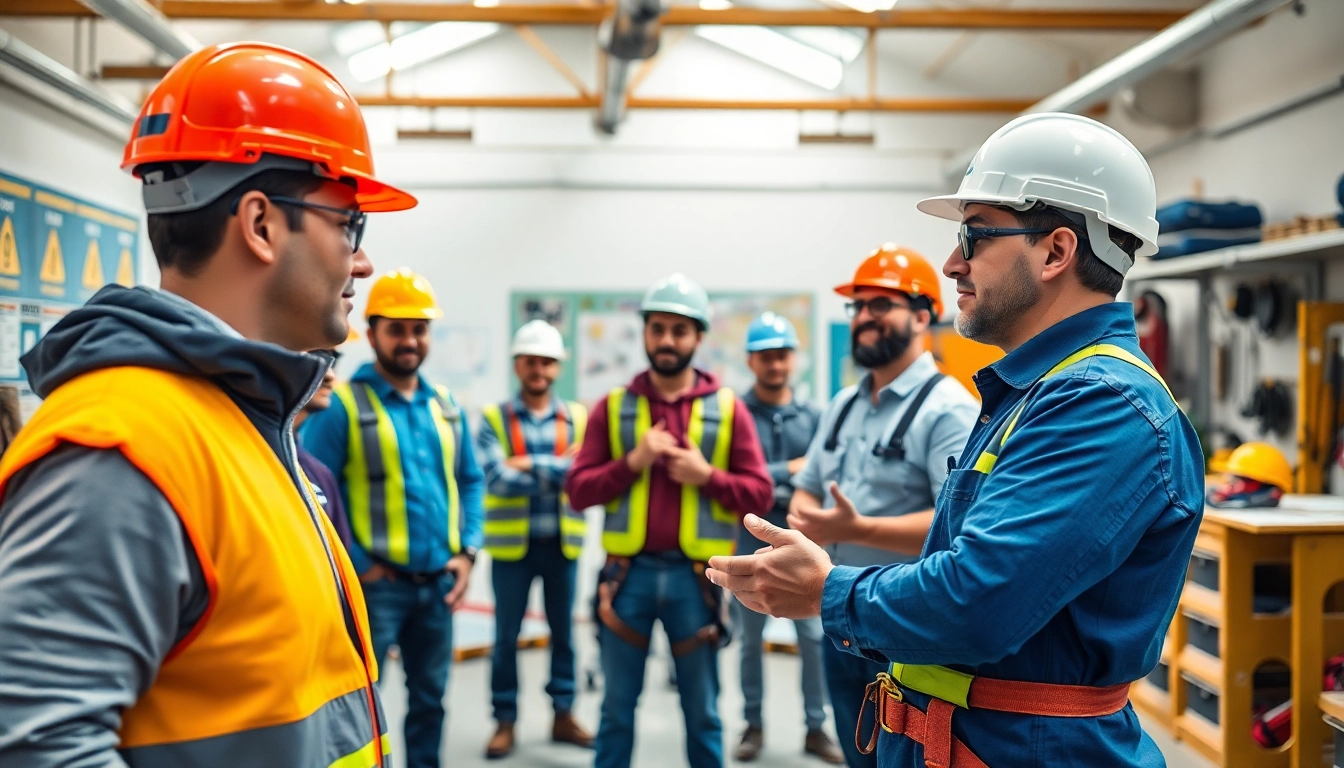
Understanding the Importance of Construction Safety Training
The construction industry is inherently risky, with numerous hazards that can lead to serious injuries or even fatalities. This makes construction safety training essential for every worker. It lays the groundwork for a safer work environment and significantly minimizes the risks associated with construction work. From understanding workplace hazards to emergency response procedures, comprehensive safety training is crucial to protect workers and enhance overall productivity.
The Role of Safety Training in Construction
Safety training serves as the backbone of any construction site, providing workers with the knowledge and skills they need to perform their tasks safely. It helps identify hazards, outlines proper safety protocols, and ensures that everyone on-site understands the importance of compliance with safety regulations. More than just a checkbox for companies, effective safety training fosters a culture of safety where employees feel empowered to speak up about unsafe conditions and practices.
Key Regulations and Standards
In the United States, various regulations govern construction safety. The Occupational Safety and Health Administration (OSHA) sets and enforces standards to guarantee worker safety on construction sites. Compliance with OSHA's regulations not only protects workers but also shields employers from potential liabilities. Familiarizing your workforce with these regulations through structured training is vital for maintaining standards and ensuring ongoing compliance.
Common Risks Addressed in Training
Construction sites are rife with risks including falls, electrical hazards, being struck by objects, and more. Safety training addresses these common dangers, equipping workers with strategies to mitigate risks. Understanding the specific hazards present on a site allows workers to better prepare and respond, ultimately leading to a safer environment. Regular training ensures that the workforce stays updated on the latest safety protocols addressing both established and new dangers as they arise.
Essential Topics Covered in Construction Safety Training
Personal Protective Equipment (PPE)
PPE is a critical component of construction safety. Workers are trained on the importance of wearing appropriate PPE to mitigate hazards effectively. This includes hard hats, gloves, goggles, hearing protection, and respiratory gear. Training provides best practices for proper fitting, maintenance, and usage to ensure maximum protection. Moreover, workers learn how to assess when additional PPE is needed based on the specific tasks at hand.
Hazard Recognition and Risk Assessment
Recognizing hazards is the first step toward creating a safe working environment. Training programs focus on teaching workers how to identify various types of hazards, from environmental risks to mechanical dangers. This includes training on conducting risk assessments, which helps workers evaluate the likelihood of a hazard impacting their safety and the necessary steps to mitigate that risk.
Emergency Response Procedures
Preparedness for emergencies is crucial on construction sites. Training encompasses protocols for dealing with fires, medical emergencies, hazardous material spills, and severe weather conditions. Workers practice evacuation procedures and learn about first aid measures. Understanding their roles in emergencies can significantly reduce injuries and save lives, making this an essential focus of any safety training program.
Implementing Effective Construction Safety Training Programs
Choosing the Right Training Methods
An effective construction safety training program requires a blend of instructional methods. Traditional classroom training provides essential information, while hands-on training reinforces skills in a practical context. Online modules can offer flexibility, allowing workers to learn at their own pace. Blended learning approaches, combining in-person and virtual training, can maximize reach and effectiveness.
Engaging and Retaining Participants
Engagement is key to the success of safety training. Utilizing interactive methods such as simulations, group discussions, and problem-solving exercises helps retain participants’ attention and aids in knowledge retention. Real-life case studies can make the training more relatable, illustrating the consequences of non-compliance and the value of safety practices. Engaging training sessions foster a culture of safety by encouraging open communication and the sharing of insights among workers.
Evaluating Training Effectiveness
It is crucial to assess the effectiveness of any training program. Implementing feedback mechanisms—such as surveys or assessments—can gauge participants’ understanding and retention of information. Monitoring safety performance metrics post-training, such as incident rates and near-miss reports, provides insights into the program’s effectiveness. Continuous improvement cycles should be established based on evaluation results to refine and enhance training efforts.
Best Practices for Ongoing Safety Training in Construction
Scheduling Regular Refreshers
One-time training is insufficient in a field where risks constantly evolve. Regular refresher courses are vital to keep safety knowledge current. This is especially important when new regulations come into effect or when a new tool or method is introduced on-site. Establishing a schedule for refresher training ensures that workers continuously engage with safety protocols, reinforcing their importance in daily activities.
Incorporating New Technologies
With the advancement of technology, training methodologies are evolving. Innovations such as virtual reality (VR) and augmented reality (AR) can simulate real-life situations without the inherent risks. Utilizing these technologies in training can enhance learning experiences by immersing workers in safe yet realistic scenarios, allowing them to practice responses without jeopardizing safety.
Creating a Safety Culture
Establishing a culture of safety goes beyond training. Leadership needs to prioritize safety, demonstrating a commitment that inspires workers to embrace safety protocols. Regular communication about safety incidents, successes, and continuous improvements creates a collective responsibility for safety among all employees. Recognizing and rewarding safe behavior can also reinforce a culture where safety is a shared value, not just an obligation.
FAQs about Construction Safety Training
What is construction safety training?
Construction safety training includes programs that educate workers on safety protocols, hazard recognition, and emergency procedures to prevent accidents.
Why is safety training important?
Safety training minimizes the risk of accidents and injuries, ensuring a safer work environment and compliance with regulations.
What topics are included in safety training?
Key topics include the use of personal protective equipment, hazard recognition, emergency response, and proper safety procedures.
How often should training be repeated?
Regular refresher courses are recommended, typically annually or whenever new hazards are introduced on site.
What are the benefits of effective training?
Effective training fosters a safety-conscious culture, reduces accidents, and improves overall productivity and morale in the workplace.