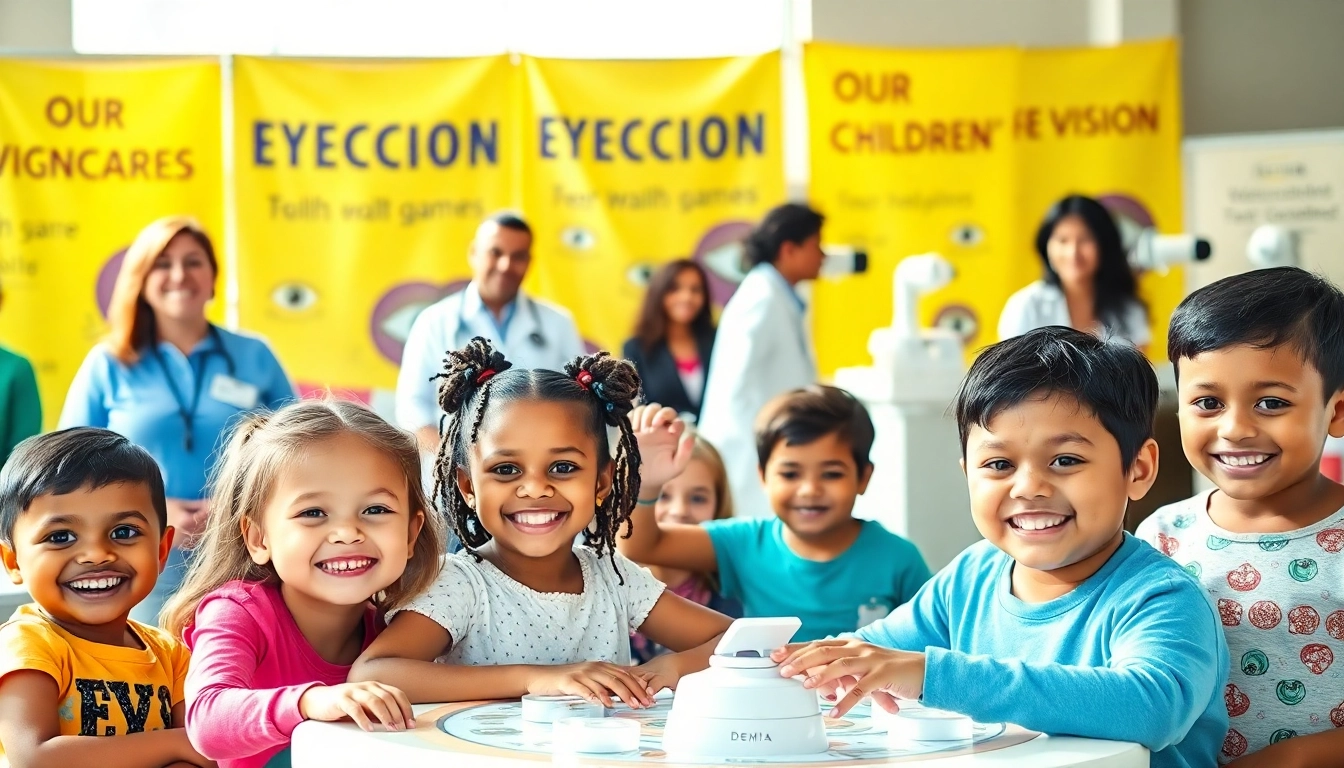
Understanding Eye Health in Children
Eye health is a vital yet often overlooked aspect of children's overall well-being. Many parents may not realize that undiagnosed vision impairments can severely impact a child's ability to learn, communicate, and engage with others. Children are not always able to articulate their vision problems, making it imperative for adults to recognize the signs and take proactive measures. Research shows that vision problems are more common among children than many realize, and early intervention can dramatically improve outcomes. Our Children's Vision aims to raise awareness about these critical issues, highlighting the importance of preventing vision-related challenges for the younger generation.
Importance of Early Vision Screening
Early vision screenings are essential for detecting potential eye issues before they lead to significant problems. Experts recommend that children undergo their first comprehensive eye exam at six months of age, with subsequent evaluations occurring at regular intervals—typically before starting school and throughout their school years. Research indicates that children who receive regular eye examinations are more likely to achieve academic success and engage properly in sports and other activities. Early detection allows for timely intervention, which can help to correct or manage conditions such as strabismus (crossed eyes) or amblyopia (lazy eye) effectively.
Common Vision Problems in Kids
There are several prevalent vision problems that can affect children, including but not limited to:
- Refractive Errors: Issues like myopia (nearsightedness), hyperopia (farsightedness), and astigmatism are common among children and can interfere with daily activities such as reading and participating in sports.
- Amblyopia: Also known as lazy eye, this condition occurs when one eye fails to achieve normal visual acuity, often due to strabismus or significant differences in vision between the two eyes.
- Strabismus: This eye condition is characterized by a misalignment of the eyes, which may turn inward, outward, upward, or downward and can lead to amblyopia if untreated.
- Color Blindness: This can affect a child’s ability to distinguish between different colors and may have implications for certain educational and vocational paths.
Impact of Poor Vision on Learning and Development
Vision impairments can significantly hinder a child's learning and development. Studies show that students with uncorrected vision problems often struggle in academic settings. Reading difficulties, decreased attention spans, and lower overall academic performance are common among children who cannot see clearly. Furthermore, poor vision can limit a child's participation in physical activities, affecting social skills and self-esteem. Addressing these vision problems early fosters a healthier, more confident child able to thrive in school and life.
Promoting Awareness for Our Children's Vision
Creating awareness around children's eye health is critical for community engagement and support. When parents, educators, and health professionals understand the impact of visual impairments and the resources available for corrective measures, they can work more effectively to ensure all children receive the eye care they need.
Effective Campaign Strategies
To effectively promote awareness for children's vision health, organizations can implement numerous strategies:
- Community Workshops: Organize workshops focusing on the basics of children's eye health, common problems, and the importance of screenings and regular eye exams.
- Partnerships with Healthcare Providers: Collaborate with local eye care professionals to provide screening events and educational resources for families.
- Distribution of Educational Materials: Create engaging brochures, websites, and social media content that informs parents about vision care, potential problems, and solutions.
Partnering with Schools and Communities
Schools play a vital role in promoting eye health. By partnering with educational institutions, advocacy groups can facilitate vision screening programs within the school system. Educators can be trained to recognize signs of vision problems, such as poor focus, squinting, or eye rubbing in students. Establishing clear communication with parents about the results of vision screenings and recommending follow-ups with eye care providers helps contribute to preventive care.
Utilizing Social Media for Outreach
In today's digital age, social media is a powerful tool for spreading awareness regarding children's vision health. Campaigns that utilize engaging posts, informative videos, and interactive content can resonate with a wide audience, further emphasizing the need for routine eye check-ups and care. Platforms such as Facebook, Instagram, and Twitter can be leveraged to reach parents, educators, and health professionals, fostering a community dedicated to improving children's visual health.
Best Practices for Eye Care for Children
Ensuring optimal eye care for children requires a strategic approach, focusing on prevention and education while also implementing routines that promote vibrant eye health.
Routine Eye Exams Guidelines
Regular eye examinations are key to maintaining healthy vision throughout childhood. The recommended guidelines include:
- Initial evaluation at six months of age.
- Follow-up assessments at age three and before starting school, typically around five years of age.
- Annual examinations after the onset of school or as recommended by an eye care professional, especially if the child has a diagnosed vision issue.
Protective Measures for Eye Safety
Parents and caregivers should take proactive steps to ensure their child's eye safety during playtime and sports. Wearing protective eyewear designed for specific activities, ensuring adequate lighting for reading and homework, and minimizing screen time can help prevent injuries and strain. Teaching children to practice the 20-20-20 rule—taking a 20-second break to focus on something 20 feet away every 20 minutes of screen time—can also support healthy visual habits.
Nutrition and Its Effect on Eye Health
A well-balanced diet rich in vitamins and nutrients plays a crucial role in maintaining ocular health. Nutrients that are particularly beneficial for eye health include:
- Vitamin A: Found in carrots, sweet potatoes, and spinach, this vitamin is essential for good vision.
- Omega-3 Fatty Acids: Present in fish such as salmon and tuna, omega-3 fatty acids support the structure of eye cells.
- Lutein and Zeaxanthin: Found in leafy greens and eggs, these carotenoids have protective roles against harmful blue light.
By promoting healthy eating habits, parents can help ensure their children receive the nutrients necessary for optimal vision.
Resources and Support for Families
Access to information and support systems can significantly enhance a family's ability to navigate the needs of a child with vision problems. Various resources are available to ensure families can receive appropriate care and assistance.
Finding Local Eye Care Providers
Parents should take advantage of local resources to find qualified eye care providers experienced in treating children’s vision issues. Recommendations can be sought from pediatricians, community health centers, and school health services, which often have referrals to optometrists and ophthalmologists. Most importantly, ensure that the chosen professional provides a child-friendly approach to examinations, fostering trust and comfort for the child.
Financial Assistance and Programs
The cost of eye care can be a concern for many families. Various programs and organizations exist to provide financial assistance and resources to ensure that children receive the eye care they need. Medicaid, CHIP (Children's Health Insurance Program), and certain non-profit organizations may provide coverage or funding for eye exams, glasses, and surgeries, if needed.
Community Support Groups
Joining support groups dedicated to families dealing with children's visual impairments can provide emotional support and valuable information. These groups can connect parents with shared experiences, enabling them to exchange tips on navigating the healthcare system and fostering a nurturing environment for their children. Local community centers and online platforms can be excellent resources for locating support networks.
Future Directions for Our Children's Vision
As awareness of children's vision health continues to grow, the future will require innovative approaches and sustained commitment to improving outcomes for children globally. Research, technology, and community involvement will play pivotal roles in furthering the mission of improving vision care for all children.
Innovative Research and Technologies
The field of ophthalmology is continually evolving, driven by research aimed at understanding and preventing childhood eye diseases. Advancements in technology, such as telemedicine and AI-enabled diagnostic tools, offer new opportunities for identifying vision impairment more effectively. Ongoing research efforts may lead to quicker diagnoses, improved treatments, and better long-term management strategies for visual health.
Long-term Goals for Child Vision Health
The long-term objective of promoting children's vision health involves ensuring global access to eye care services, advocating for educational programs in schools, and effectively measuring progress. These goals will require collaboration among governments, health organizations, non-profits, and local communities to create sustainable solutions that provide children with the care they deserve.
How You Can Get Involved
Parents, educators, and community members can play an active role in supporting initiatives that promote children's eye health. Engaging in local awareness campaigns, advocating for routine vision screenings, or volunteering with organizations focused on children's health are ways to contribute positively. Every effort counts toward making a meaningful impact on children's vision health and ensuring a brighter, clearer future for the next generation.