
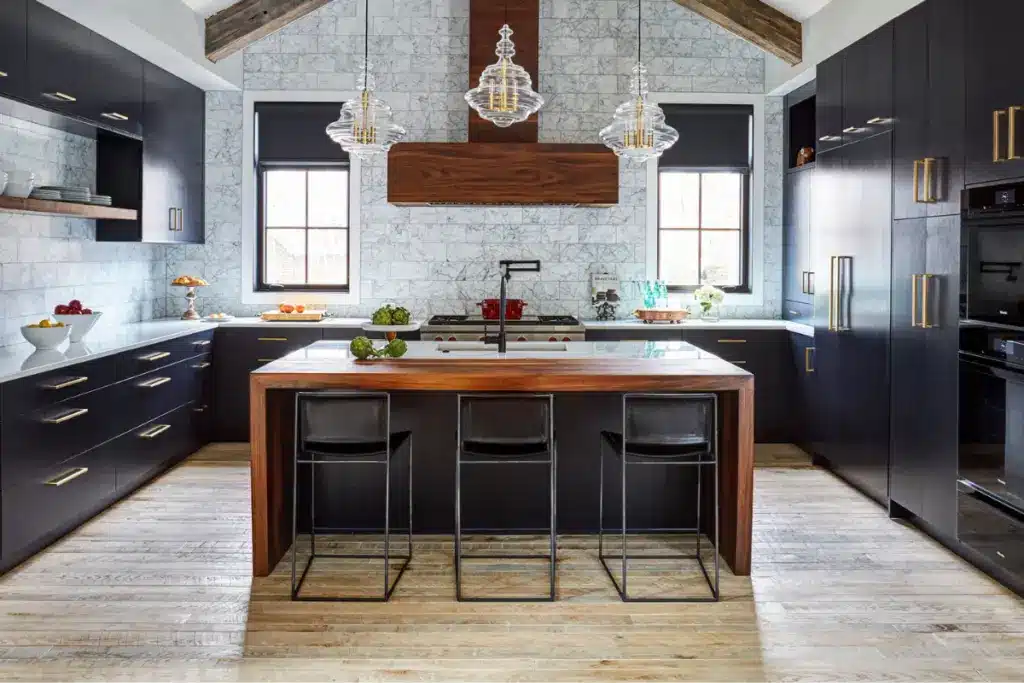
Dekton worktops are rapidly becoming a favourite choice for homeowners who want a cutting‑edge, ultra‑durable surface in their kitchen. Made from a blend of raw materials used in glass, porcelain and quartz surfaces, Dekton is created through an advanced sintering process that produces an incredibly dense, hard‑wearing slab. In this guide, we will look at what makes Dekton different, how it compares with other popular materials, and what to think about when planning a new worktop installation.
What Is Dekton and How Is It Made?
Dekton is classed as an ultra‑compact surface. It is manufactured by subjecting a carefully selected mix of minerals to extreme heat and pressure, replicating the natural process that forms stone over thousands of years but in a much shorter time. This results in a slab that is highly resistant to heat, scratching, UV rays and thermal shock. Because the material is so stable, it can be produced in very thin profiles without compromising strength, which is ideal for sleek, contemporary kitchen designs.
The manufacturing process also allows for a wide range of finishes, from ultra‑matte industrial looks to polished marble‑style designs. For homeowners who want to see how Dekton sits within the wider worktop market and compare it with other engineered stones, it is useful to start with resources such as Quartz Worktops, which explain the fundamentals of engineered surfaces before moving into more specialised materials.
Key Benefits of Dekton Worktops
One of the standout advantages of Dekton is its exceptional heat resistance. Hot pans can be placed directly on the surface for short periods without causing scorching or discolouration, something that is not recommended with many other materials. This makes Dekton particularly attractive for keen home cooks and busy family kitchens where practicality is essential.
The surface is also highly resistant to scratching and abrasion under normal kitchen use. While chopping boards are still recommended to protect knives and keep the worktop looking pristine, Dekton offers a reassuring level of toughness compared with softer stones and laminates. Its non‑porous structure means it does not require sealing and is very resistant to stains from wine, coffee, oils and other common kitchen spills.
Dekton for Indoor and Outdoor Kitchens
Another area where Dekton excels is in its resistance to UV light. Many traditional worktop materials can fade or change colour when exposed to strong sunlight over time, which limits their use in outdoor kitchens or rooms with large south‑facing windows. Dekton’s UV stability means it can be used confidently in outdoor cooking areas, garden bars and heavily glazed extensions without worrying about long‑term colour shift.
Because of this versatility, some homeowners choose Dekton for both indoor and outdoor surfaces to create a seamless connection between the kitchen and garden. Others combine it with more traditional materials inside the home. For example, a project might use Dekton on a hardworking island while pairing it with softer natural stone on a feature run of cabinets. When planning such combinations, it is helpful to work with experienced Kitchen Worktops Specialists in London who understand how different materials behave and how to balance aesthetics with practicality.
Comparing Dekton with Quartz Worktops
Quartz and Dekton are often considered side by side because both are engineered surfaces with strong performance credentials. Quartz is extremely popular for everyday family kitchens thanks to its durability, low maintenance and wide range of colours. Dekton takes some of these advantages further, particularly in terms of heat resistance and suitability for outdoor use.
However, the fabrication and installation of Dekton can be more demanding. The material is very hard and dense, which requires specialist cutting tools and careful handling to avoid stress during transport and fitting. This can make Dekton slightly more expensive than many quartz options. Homeowners who are weighing up the two materials often start by exploring Porcelain Worktops as well, because porcelain shares some characteristics with Dekton and provides a useful reference point when comparing ultra‑compact surfaces with more conventional engineered stones.
Dekton vs Granite and Marble
Granite and marble have long been associated with luxury kitchens, bringing natural variation and character to the space. Granite is generally hard and durable, while marble is prized for its elegant veining but needs more careful day‑to‑day care. Both materials are porous to some degree and usually require sealing to protect against staining.
Dekton offers a different proposition. Rather than relying on natural variation, it delivers highly controlled designs that can mimic stone, concrete or even rusted metal. It is much less porous than granite or marble, so it does not need sealing and is more resistant to staining. Homeowners who love the look of stone but want a more predictable, low‑maintenance surface often compare Dekton with options such as Granite Worktops Near Me and Marble Worktops before deciding which route to take.
Design Possibilities with Dekton
Because Dekton can be manufactured in large slab sizes and thin profiles, it opens up design possibilities that are difficult with some other materials. Ultra‑slim worktops, waterfall ends on islands, full‑height splashbacks and cladding for cabinet fronts or feature walls are all achievable. The material can also be used for flooring and exterior cladding, allowing designers to create a cohesive look across multiple surfaces.
Finishes range from smooth, polished surfaces that reflect light and make smaller kitchens feel larger, through to textured, industrial‑style designs that work well in loft apartments and contemporary extensions. Colour palettes include soft neutrals, bold dark tones and realistic marble‑effect patterns. When choosing a finish, it is important to consider how it will interact with cabinet colours, flooring, lighting and the overall style of the home.
Planning Dekton Worktop Supply and Installation
Because Dekton is a specialist material, the quality of the installation is just as important as the quality of the slab itself. Accurate templating is essential to ensure that joints fall in the right places, cut‑outs are correctly sized and the finished Kitchen Worktop fits perfectly against walls that may not be completely straight. Access routes also need to be planned carefully, particularly in older properties with narrow staircases or tight corners.
Many homeowners prefer to work with companies that manage Kitchen Worktops supply, replacement and installation as a complete service. This reduces the risk of miscommunication between different trades and ensures that one specialist is responsible for the entire process, from measuring and fabrication to delivery and final checks. It also simplifies aftercare, as there is a single point of contact if any adjustments or questions arise later.
Cost Considerations for Dekton Worktops
Dekton is generally positioned at the premium end of the worktop market. The exact cost will depend on the thickness of the slab, the chosen colour or pattern, the complexity of the layout and any additional features such as integrated drainers or mitred waterfall ends. While the initial investment may be higher than some quartz or granite options, many homeowners feel that the long‑term durability and design flexibility justify the extra spend.
When comparing quotes, it is important to ensure that you are looking at like‑for‑like proposals. Some estimates may appear cheaper because they exclude essential elements such as removal of old worktops, cut‑outs, upstands or final finishing. Taking time to read a detailed pricing breakdown and asking installers to clarify what is included will help you make a fair comparison and avoid unexpected costs later in the project.
Is Dekton the Right Choice for Your Kitchen?
Whether Dekton is the best option for your home depends on how you use your kitchen and what you value most in a worktop. If you want a surface that can handle high temperatures, heavy use and strong sunlight with minimal maintenance, Dekton is a very strong contender. Its ability to be used both indoors and outdoors, combined with its wide range of finishes, makes it particularly appealing for modern, design‑led projects.
On the other hand, if you prefer the natural variation of stone or are working to a tighter budget, quartz or granite might be more suitable. The key is to compare real samples in your own lighting conditions and to discuss your priorities with an experienced supplier who works with multiple materials. Many homeowners start their journey by browsing Dekton Worktops alongside other options so they can make an informed, confident decision.
Dekton Worktops for Bathroom Renovation
Dekton is one of the most practical and hard‑wearing materials you can specify for a modern bathroom. Its ultra‑compact surface is completely non‑porous, so it will not absorb water, fake tan, hair dye or makeup, and it never needs to be sealed. Large Dekton slabs can be used for vanity tops, shower walls and bath surrounds with minimal joints, creating a clean, contemporary look that is easy to keep hygienic. The material is highly resistant to scratches, steam and sudden temperature changes, which means it copes effortlessly with daily showers, hot styling tools and constant moisture. For anyone planning a full bathroom renovation, Dekton offers a genuinely long‑term solution that combines sharp, architectural styling with the kind of durability normally only seen in commercial spaces.
Final Thoughts
Dekton worktops represent the next generation of kitchen surfaces, combining advanced manufacturing technology with impressive real‑world performance. Their resistance to heat, scratching, staining and UV light makes them ideal for demanding environments, while the broad choice of colours and finishes allows them to fit seamlessly into almost any design style. By working with knowledgeable specialists, planning the installation carefully and comparing Dekton honestly with quartz, porcelain, granite and marble, you can decide whether this ultra‑compact surface is the right foundation for your new kitchen.