Understanding the Essential Elements of a Clothing Store
Creating a successful Clothing store goes beyond just having trendy items on display; it requires a thoughtful approach to layout, design, and customer experience. Every element of the store—from the arrangement of garments to the ambiance—plays a crucial role in attracting and retaining customers. In this article, we'll delve deep into the essential components that contribute to an engaging shopping experience and how to optimize them effectively.
Layout Optimization for Customer Engagement
The physical layout of a clothing store is a significant factor influencing customer behavior. A well-optimized layout can enhance customer satisfaction and boost sales. Here are some key design strategies to consider:
- Grid Layout: This traditional layout is ideal for maximizing merchandise space. It allows customers to navigate easily, guiding them along aisles of products, which can lead to impulse purchases.
- Free-Flow Layout: More suited to boutiques and specialty stores, this layout provides a relaxed environment where customers can wander freely, encouraging exploration and discovery of unique items.
- Space for Movement: Ensure that aisles are wide enough for customers to move comfortably, especially during peak shopping times. This helps in mitigating feelings of crowding and enhances the overall shopping experience.
- Strategic Product Placement: Position popular items at the back of the store to draw customers deeper inside. Use eye-catching displays to attract attention to sales or new arrivals.
Color Psychology in Retail Spaces
Colors have the power to evoke emotions and influence purchasing decisions. Understanding color psychology can significantly impact customer perceptions of your Clothing store. Here are some insights into how different colors can affect shopping behavior:
- Warm Colors: Red and yellow hues create an energetic atmosphere and can stimulate impulse buying. They are particularly effective near checkout areas.
- Cool Colors: Blues and greens promote a sense of calm and trust, making them a great choice for relaxing fitting rooms or lounging areas.
- Neutral Colors: Whites, grays, and blacks can create a sophisticated and modern feel. They serve as a blank canvas that allows the merchandise to stand out.
Effective Lighting Techniques to Enhance Visibility
Lighting plays a crucial role in creating the right atmosphere and can significantly influence customers' perceptions of product quality. Here are some effective strategies:
- Layered Lighting: Combining ambient, task, and accent lighting can illuminate the entire store effectively while highlighting specific products.
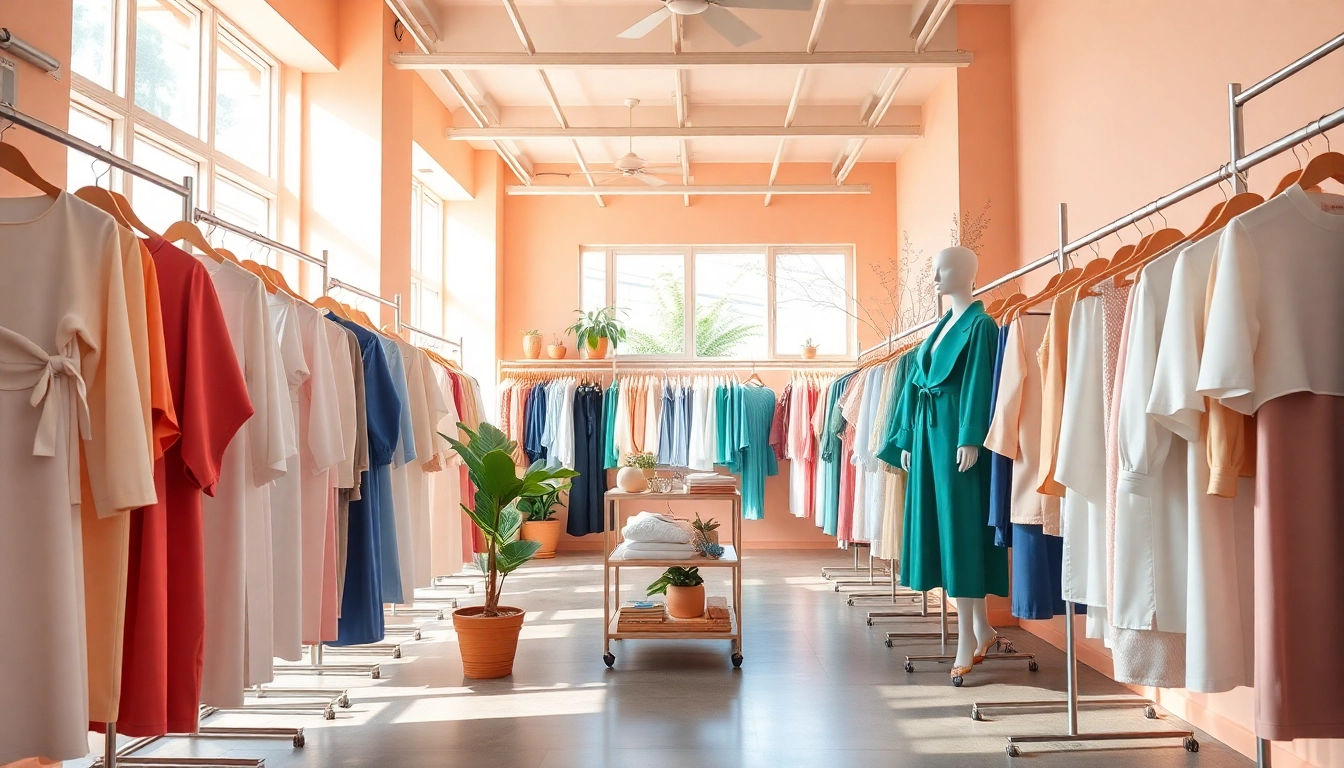
- Use of Natural Light: Incorporating windows or skylights can create an inviting atmosphere and improve energy efficiency.
- Highlighting Key Displays: Use spotlights to draw attention to featured items or seasonal promotions. This not only directs customer focus but also enhances product appeal.
Creating a Unique Shopping Experience
In today’s competitive retail environment, a unique shopping experience can set your Clothing store apart from the rest. Let's explore some innovative practices to engage customers beyond traditional shopping methods.
Utilizing Visual Merchandising Strategies
Visual merchandising is about telling a story with your merchandise. It involves strategically showcasing products to attract customer attention and encourage purchases. Here are some techniques to consider:
- Theme Displays: Create seasonal or thematic displays that resonate with current events, holidays, or trends to connect emotionally with customers.
- Mannequin Styling: Display outfits on mannequins to showcase how items can be worn together. This not only provides ideas for customers but also helps sell multiple items at once.
Incorporating Technology into the Clothing Store
Technology can significantly enhance the customer experience and streamline operations. Some valuable tech integrations include:
- Mobile Payment Systems: Offering mobile payment options ensures faster and more convenient checkout experiences, improving customer satisfaction.
- Virtual Fitting Rooms: Using augmented reality (AR) can allow customers to try on clothes digitally, minimizing the need for physical fitting rooms and appealing to the tech-savvy shopper.
- Inventory Management Systems: Implementing a sophisticated inventory system can provide real-time stock updates, ensuring that customers can always find what they're looking for.
Designing Comfortable Fitting Areas
Fitting rooms should be a space where customers feel relaxed and confident. Consider the following aspects when designing this crucial area:
- Generous Space: Fitting rooms should be large enough for customers to move comfortably and assess clothing from all angles.
- Optimal Lighting: Use flattering lighting that eliminates harsh shadows and provides a true representation of how clothes will look in natural settings.
- Privacy: Ensure adequate privacy measures, such as full-length doors and soundproofed walls, to help customers feel at ease.
Building Your Clothing Store Brand Identity
A strong brand identity is vital for establishing recognition and loyalty among customers. Here are some crucial elements to consider when developing your brand identity:
Crafting an Engaging Store Name and Logo
Your store name and logo are often the first introduction customers will have to your brand. They should be memorable and reflect your store’s personality. Consider the following:
- Relevance: Your store name should align with your brand ethos and the products you sell. It should evoke the feeling you want customers to associate with your store.
- Visual Appeal: A well-designed logo can create a lasting impression and should be versatile enough to be used across various platforms, from storefronts to social media.
The Importance of Consistent Branding Materials
Consistency in branding materials—from business cards to in-store signage—reinforces your brand identity. Here's how you can achieve it:
- Color Palette: Utilize a cohesive color scheme across all materials to create a unified look.
- Typography: Choose fonts that reflect your brand personality and stick to them throughout all communications and signage.
- Brand Voice: Maintain a consistent tone in all customer interactions, be it through marketing or customer service.
Creating a Distinct Customer Service Approach
Your customer service approach can be a key differentiator for your Clothing store. Here are some strategies to develop a unique service identity:
- Personal Shopping Assistance: Offer personalized services where customers can get tailored recommendations based on their style.
- Post-Purchase Engagement: Follow up with customers after their purchase to gather feedback and encourage repeat visits. This can build a lasting relationship.
- Training Staff: Investing in training your staff ensures they embody your brand values and provide exceptional service, enhancing the overall shopping experience.
Exploring Marketing Strategies for Clothing Stores
Effective marketing strategies can amplify your store’s visibility and draw in new customers. Here are some methods that can significantly benefit your promotional efforts:
Leveraging Social Media for Increased Visibility
In today's digital age, social media is a potent tool for reaching your target audience. Consider these strategies to maximize your online presence:
- Engaging Content: Create visually appealing and engaging content that showcases your products, shares styling tips, or highlights customer experiences.
- Influencer Collaborations: Partner with fashion influencers to promote your brand. Their endorsement can introduce your store to a wider audience.
- Social Commerce: Utilize social media platforms to directly sell items, making it easier for customers to buy products they see online.
Implementing Loyalty Programs to Drive Sales
Customer loyalty programs can encourage repeat purchases and build long-term relationships. Here’s how to set up an effective program:
- Point-Based Systems: Implement a system where customers earn points for every purchase, which they can redeem for discounts or special offers.
- Exclusive Access: Provide loyal customers with exclusive access to new collections or special sales, enhancing the feeling of belonging to a community.
- Feedback Incentives: Encourage customers to provide feedback on their shopping experience in exchange for rewards, helping you improve service while engaging customers.
Strategic Collaborations and Partnerships
Collaborating with other local businesses or brands can generate mutual benefits. Explore these partnership opportunities:
- Pop-Up Events: Host pop-up events with local artisans or brands to create excitement and draw in their customer base to your store.
- Cross-Promotion: Work with complementary businesses (like cafes or beauty salons) to cross-promote each other’s services.
- Co-Branding: Create limited-edition products or collections in collaboration with other brands, generating buzz and visibility for both parties.
Measuring Success and Adapting Your Strategy
To ensure your clothing store thrives, it's essential to measure performance continually and adapt strategies based on insights. Here are several critical steps to drive improvement:
Defining Key Performance Indicators (KPIs)
KPIs provide clarity on your store’s performance and can guide your business decisions. Here’s what to track:
- Sales Growth: Monitor monthly or quarterly sales growth to track how your store is performing over time.
- Customer Retention Rate: Measure how many customers return to shop after their first visit—this indicates satisfaction and loyalty.
- Foot Traffic Analysis: Use technology to track foot traffic patterns within your store to identify high-traffic areas and adjust product placement accordingly.
Collecting Customer Feedback for Continuous Improvement
Regular feedback is vital for understanding customer needs and making informed adjustments. Consider these methods:
- Surveys and Questionnaires: Send out surveys post-purchase to collect insights on customer satisfaction and areas for improvement.
- In-Store Comment Cards: Provide comment cards for customers to share their thoughts directly while they're still engaged in the shopping environment.
- Online Reviews: Track online reviews and ratings to identify trends in customer sentiment and address any recurring issues promptly.
Staying Ahead of Industry Trends and Competitors
To succeed in the fast-paced clothing retail industry, staying abreast of trends and competitor strategies is essential. Here are effective approaches:
- Market Research: Regularly conduct market research to understand emerging trends and changing consumer preferences.
- Competitive Analysis: Monitor competitor movements, product offerings, and marketing strategies to identify potential opportunities or threats in the market.
- Networking: Engage with industry professionals and attend trade shows to gather insights and inspiration for your business.
In conclusion, the journey of establishing a successful clothing store is filled with vital considerations—from optimizing your store layout and enhancing customer experience to implementing effective marketing strategies and continual performance evaluation. By focusing on these foundational elements, you can create a shopping environment that not only attracts customers but also fosters loyalty and drives sales growth.