
Content Strategy Agency Frameworks for Driving Organic Traffic and Lead Generation
Businesses that invest in content marketing often discover that publishing articles alone is not enough to generate sustainable growth. Without a structured framework, content efforts can become inconsistent, disconnected from business goals and ineffective at attracting qualified leads. A successful content strategy agency approach focuses on aligning content production with audience intent, search visibility and conversion objectives. Different frameworks contribute to organic traffic and lead generation in unique ways, making it important to understand their strengths and limitations. Organizations that combine strategic planning with execution-focused content development are often better positioned to achieve long-term marketing success.
Image source:unsplash.com
Topic Cluster Framework
The topic cluster framework organizes content around a central pillar topic supported by multiple related articles. This structure helps search engines understand topical relationships while creating a more comprehensive resource ecosystem for users.
The primary advantage is authority building. Topic clusters strengthen relevance signals and allow businesses to rank for a broader range of related search terms. Internal linking between supporting articles and pillar pages also improves content discoverability while helping users navigate complex subjects.
According to Matt Bowman of ThriveAgency.com, businesses often experience stronger organic growth when content is organized around topics rather than isolated keywords. Search engines increasingly evaluate expertise at the topic level, making structured content ecosystems more valuable than standalone articles.
The limitation is planning complexity. Building an effective cluster requires extensive research, content mapping and ongoing updates. Organizations that fail to maintain supporting content may struggle to realize the full benefits of the framework.
Search Intent Framework
The search intent framework focuses on matching content to the specific goals behind user searches. Rather than optimizing solely for keywords, businesses create resources designed to satisfy informational, navigational, commercial and transactional intent.
The strongest advantage is relevance. Content aligned with user intent often achieves higher engagement rates, improved rankings and stronger lead generation performance because it addresses audience needs directly. Search intent alignment also improves the likelihood of attracting qualified visitors.
The challenge is interpretation. User intent can vary significantly across keywords and industries. Businesses must continuously analyze search behavior and refine content strategies as audience expectations evolve.
Conversion-Focused Content Framework
Conversion-focused content frameworks prioritize lead generation alongside traffic growth. This approach integrates calls to action, lead magnets, case studies and customer education elements throughout content assets.
One significant advantage is business impact. While traffic remains important, conversion-focused frameworks ensure content contributes directly to revenue-generating activities. Businesses can create more measurable returns by guiding users toward meaningful actions.
The downside is balance. Excessive promotional messaging may reduce user engagement and undermine content quality. Organizations must maintain educational value while incorporating conversion opportunities naturally.
Thought Leadership Framework
Thought leadership frameworks focus on demonstrating expertise through original insights, research findings, industry analysis and expert perspectives. This strategy positions businesses as trusted authorities rather than simply content publishers.
The primary benefit is credibility. Thought leadership content helps brands stand out in crowded markets while attracting high-value audiences seeking expert guidance. Strong authority signals often support both organic visibility and lead quality.
The limitation is scalability. Producing original insights requires subject matter expertise, research and ongoing innovation. Businesses that rely heavily on thought leadership content must consistently generate new perspectives to maintain momentum.
Evergreen Content Framework
Evergreen content frameworks focus on creating resources that remain valuable over extended periods. Examples include foundational guides, educational resources and reference materials that continue attracting traffic long after publication.
The major advantage is efficiency. Evergreen assets can generate traffic, backlinks and leads for years with periodic updates. This creates a compounding effect that improves long-term content marketing returns.
The challenge is competition. High-value evergreen topics are often highly contested, requiring exceptional content quality and ongoing optimization to maintain visibility.
Content Repurposing Framework
Content repurposing frameworks maximize value by transforming existing content into multiple formats such as videos, social posts, newsletters, podcasts and downloadable resources.
The strongest advantage is scalability. Businesses can extend the reach of successful content without creating entirely new assets from scratch. Repurposing also allows brands to engage audiences across different platforms and content preferences.
The downside is diminishing returns if execution lacks quality. Simply reusing content without adapting it appropriately for different formats may reduce engagement and effectiveness.
Content Strategy Framework Impact Comparison
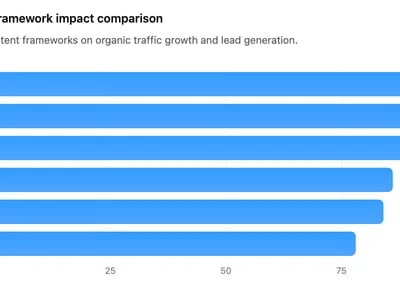
COMPARISON SUMMARY
━━━━━━━━━━━━━━━━━━━━━━━━━━
TOPIC CLUSTER FRAMEWORK
StrengthsBuilds topical authority and strengthens internal content relationships.
BenefitsImproves rankings across broader keyword groups and enhances user navigation.
WeaknessesRequires extensive planning and ongoing maintenance.
━━━━━━━━━━━━━━━━━━━━━━━━━━
SEARCH INTENT FRAMEWORK
StrengthsAligns content directly with user needs and expectations.
BenefitsImproves engagement, rankings and lead quality.
WeaknessesIntent signals can shift over time and require continuous analysis.
━━━━━━━━━━━━━━━━━━━━━━━━━━
CONVERSION-FOCUSED CONTENT FRAMEWORK
StrengthsConnects content performance directly to business outcomes.
BenefitsGenerates leads while supporting organic traffic growth.
WeaknessesOveremphasis on promotion can reduce content effectiveness.
━━━━━━━━━━━━━━━━━━━━━━━━━━
THOUGHT LEADERSHIP FRAMEWORK
StrengthsEstablishes expertise and market authority.
BenefitsAttracts high-value audiences and strengthens brand credibility.
WeaknessesRequires continuous innovation and expert-level insights.
━━━━━━━━━━━━━━━━━━━━━━━━━━
EVERGREEN CONTENT FRAMEWORK
StrengthsProvides long-term traffic and lead generation value.
BenefitsCreates compounding returns from content investments.
WeaknessesCompetes against highly established resources in many industries.
━━━━━━━━━━━━━━━━━━━━━━━━━━
CONTENT REPURPOSING FRAMEWORK
StrengthsMaximizes the value of existing content assets.
BenefitsImproves efficiency and expands audience reach.
WeaknessesRequires thoughtful adaptation to maintain engagement quality.
Businesses working with a content marketing agency should focus on combining multiple frameworks rather than relying on a single approach. Topic clusters, search intent optimization, conversion-focused content, thought leadership, evergreen resources and content repurposing each contribute unique advantages. Organizations that integrate these frameworks effectively are often better positioned to drive organic traffic, improve lead generation performance and create sustainable long-term growth.