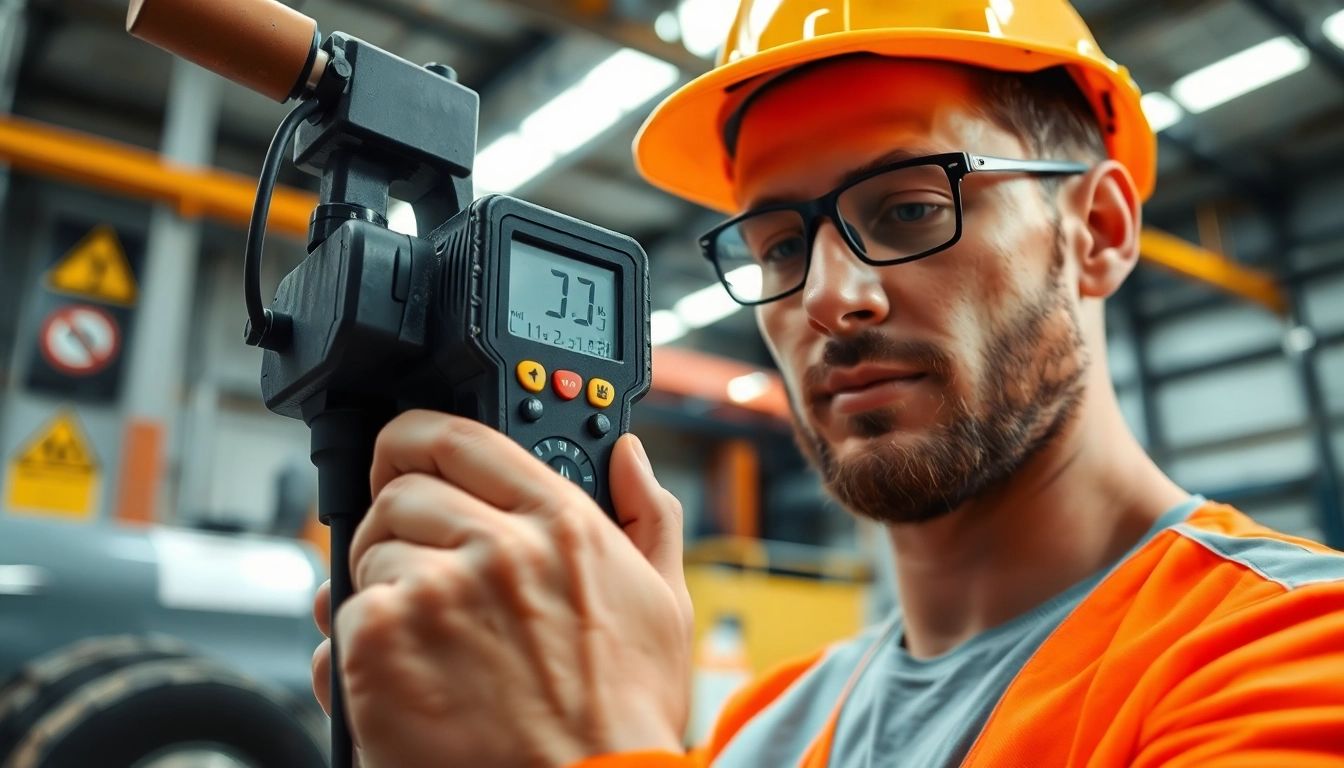
What is a Noise Assessment Survey?
Definition and Importance of Noise Assessment Survey
A noise assessment survey is a systematic evaluation aimed at measuring and analyzing noise levels in various environments, particularly workplaces. The primary goal of such surveys is to identify sources of excessive noise, assess compliance with legal standards, and ultimately protect the health and well-being of individuals exposed to sound hazards. With noise pollution being increasingly recognized as a serious health risk, conducting a noise assessment survey has become essential for industries looking to maintain safe working conditions.
Types of Noise Assessment Surveys
Noise assessment surveys can be categorized into several types based on their objectives and techniques applied:
- Occupational Noise Surveys: Focus on measuring noise exposure levels in workplaces, particularly in industries such as manufacturing and construction.
- Environmental Noise Surveys: Conducted to assess noise levels in public areas, residential zones, and other environments to ensure compliance with local regulations.
- Construction Noise Surveys: Evaluate noise impact during construction projects, helping to mitigate disturbances to surrounding areas.
- Vibration and Impact Noise Surveys: Measure the effects of vibration and impact noise, particularly relevant in urban settings where construction work might affect nearby structures.
Key Components of a Noise Assessment Survey
To effectively assess noise levels, a comprehensive survey should include the following key components:
- Walkthrough Assessment: Initial inspections to identify potential noise sources and determine measurement locations.
- Monitoring Equipment: Use of sound level meters and dosimeters to quantify noise exposure over prescribed time intervals.
- Data Analysis: Interpreting measurement data to identify patterns or areas exceeding acceptable noise levels.
- Reporting: Completing a detailed report that includes findings, recommendations, and compliance assessment relative to relevant regulations.
Benefits of Conducting a Noise Assessment Survey
Legal Compliance and Risk Management
Conducting a noise assessment survey ensures compliance with various regulations that govern workplace noise levels, such as the Occupational Safety and Health Administration (OSHA) standards. Employers who perform these assessments protect themselves from potential lawsuits caused by violations or employee complaints related to hearing loss or other health issues. Additionally, these surveys aid in identifying risks before they lead to excessive costs associated with workplace injuries.
Health Implications of Excessive Noise
Prolonged exposure to high noise levels can lead to various health problems, including hearing loss, stress, and cardiovascular issues. By performing regular noise assessment surveys, organizations can identify hazardous noise exposures and implement corrective measures to protect their employees' health. Furthermore, fostering a healthier work environment can enhance employee morale and reduce absenteeism.
Improving Workplace Productivity
Excessive noise can significantly impair concentration, leading to decreased productivity and increased errors at work. By addressing noise issues through a comprehensive noise assessment survey, organizations can create a more conducive working environment that boosts employee efficiency. Comfortable workspaces promote greater focus and output, which ultimately contributes to overall organizational success.
Step-by-Step Process for Conducting a Noise Assessment Survey
Preparation and Planning
Preparation is crucial for an effective noise assessment survey. Organizations should start by clearly defining the objectives of the survey, identifying the specific areas of concern, and ensuring that all necessary equipment is available. This involves:
- Setting objectives based on identified risks or areas of concern.
- Gathering information on potential sources of noise.
- Training personnel who will conduct the survey, ensuring they understand the equipment and assessment process.
Measurement Techniques Utilized
Accurate measurement techniques are vital for obtaining reliable data. Typical methods include:
- Real-Time Measurements: Employing sound level meters to capture ambient noise levels continuously.
- Personal Dosimetry: Utilizing dosimeters worn by employees to measure individual exposure over a work shift.
- Time-Weighted Average (TWA): Calculating the average noise level over time, allowing for the understanding of fluctuations due to various activities.
Data Analysis and Reporting
After collecting noise level data, it must be accurately analyzed to draw meaningful conclusions. Steps involved in this process include:
- Comparing measured levels against established regulatory thresholds.
- Identifying areas with excessive noise and potential sources contributing to elevated levels.
- Compiling a comprehensive report that presents findings, conclusions, and actionable recommendations.
Interpreting Noise Assessment Survey Results
Understanding Noise Level Measurements
Noise levels are typically measured in decibels (dB), with dBA as a weighting system used for sound assessments because it reflects human hearing sensitivity. Understanding decibel levels is essential for interpreting survey results correctly. For example, a sound level of 85 dBA averaged over eight hours is recognized by OSHA as a risk for hearing loss.
Identifying Areas of Concern
Once data analysis is complete, specific areas requiring attention can be identified. This may include locations where noise levels exceed regulatory limits or areas where employees report noise-related discomfort. Recognizing these hotspots is the first step toward implementing effective control measures.
Setting Actionable Recommendations
The ultimate goal of a noise assessment is providing actionable recommendations. These should be prioritized based on the severity of noise exposure and potential health risks. Suggestions could range from engineering controls, such as installing sound barriers, to administrative measures, like rotating employees to reduce exposure duration.
Implementing Solutions Post-Noise Assessment Survey
Noise Control Measures
Implementing noise control measures is crucial following a noise assessment survey. These solutions may include:
- Engineering Controls: Modifying equipment or processes to reduce noise at the source.
- Administrative Controls: Altering work schedules or tasks to minimize noise exposure time.
- Personal Protective Equipment (PPE): Providing employees with earplugs or noise-canceling headphones where noise exposure can't be mitigated through engineering controls.
Employee Training and Awareness
Training employees about noise hazards and the importance of using protective measures fosters a culture of safety. Employees should be educated on:
- The health risks linked to excessive noise exposure.
- The proper use of PPE and its importance in protecting hearing.
- How to identify and report noise concerns in the workplace.
Continuous Monitoring and Improvement
Noise assessment shouldn't be seen as a one-time activity but rather as part of a continuous improvement process. Regular re-evaluations ensure that the measures in place remain effective, taking into account changes within the work environment or operations. Monitoring noise levels periodically enables organizations to adjust strategies proactively, ensuring ongoing compliance and a safe workplace for all employees.