
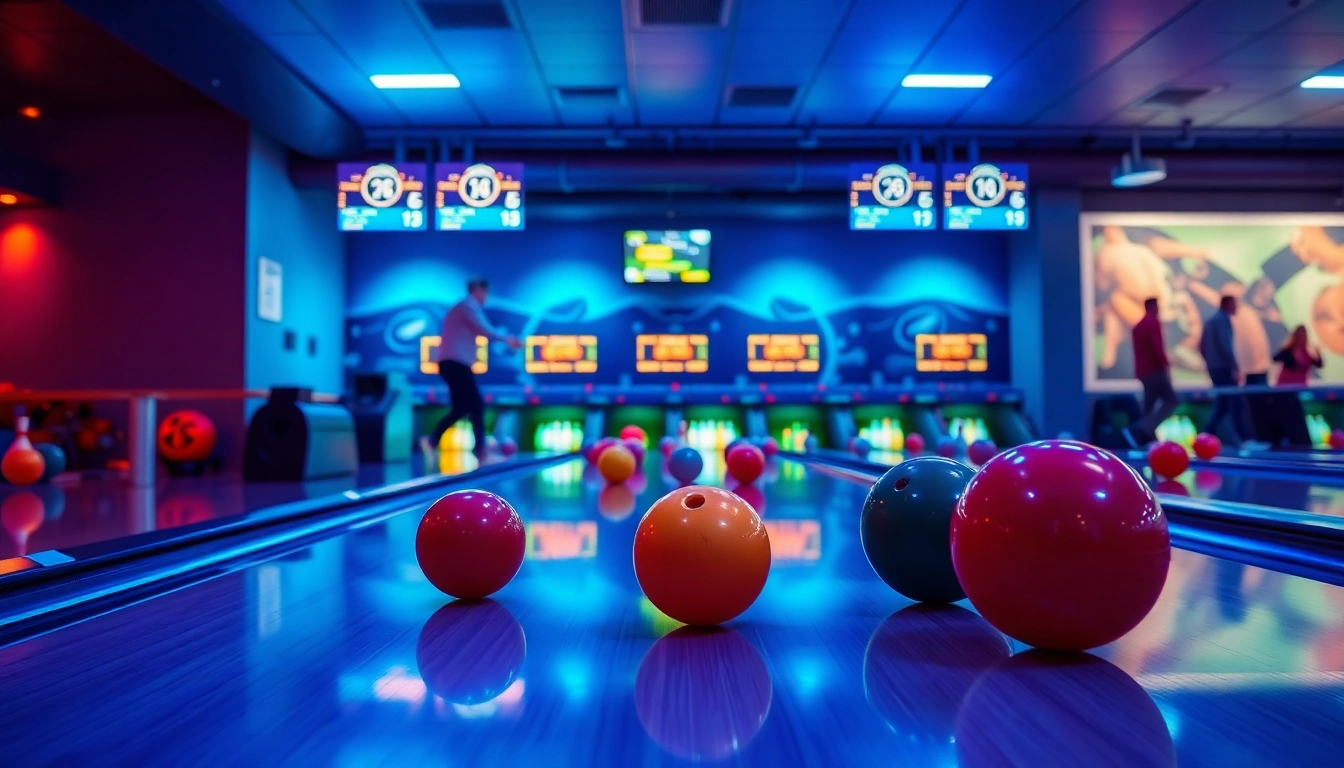
Understanding the Bowling Equipment Industry Landscape
The bowling equipment industry is a dynamic segment that has been evolving rapidly over the years. With the resurgence of bowling as a popular recreational activity and competitive sport, there is a growing demand for high-quality products that enhance the bowling experience. As a bowling equipment manufacturer, it is crucial to understand the current trends, key players, and challenges within this landscape to stay competitive and relevant.
Current Trends in Bowling Equipment Manufacturing
One major trend in the bowling equipment industry is the integration of technology into traditional equipment. Digital enhancements, such as personalized bowling ball fitting systems and automated scoring systems, have become increasingly popular. Furthermore, sustainability has risen as a priority, with manufacturers exploring eco-friendly materials and production methods to reduce their environmental impact.
Another significant trend is the customization of equipment. Bowlers now demand more tailored experiences, leading manufacturers to offer products that can be adapted to individual preferences, from ball weight and core design to lane conditions and bowling styles.
Key Players in the Bowling Equipment Market
Several key players dominate the bowling equipment market, each contributing to innovation and market growth. Brands like Brunswick, Storm, and AMF have established long-standing reputations, offering a range of products from bowling balls to lane systems. Emerging companies and niche brands are also making their mark with specialized offerings, further enriching the competitive landscape.
It's essential to stay informed about the movements of these companies, as partnerships, acquisitions, and new product launches can significantly impact market dynamics.
Challenges Facing Bowling Equipment Manufacturers Today
While the industry is buoyant, it is not without its challenges. One primary concern for manufacturing companies is the volatility of global supply chains, which can affect product availability and lead to increased costs. Additionally, manufacturers face pressure to keep up with technological advancements while maintaining quality and affordability.
Another notable challenge is the competition from alternative entertainment options, such as virtual reality and arcade gaming, which can divert potential customers away from traditional bowling. To counter this, manufacturers must innovate and market their products effectively to highlight the unique social and recreational value of bowling.
Choosing the Right Bowling Equipment Manufacturer
When selecting a bowling equipment manufacturer, it's crucial to consider several factors that can significantly impact your business. These include the manufacturer’s reputation, experience, and range of offerings. A reputable bowling equipment manufacturer can provide peace of mind and ensure the longevity of your investment.
Essential Qualities to Look For
- Quality Assurance: Look for manufacturers that prioritize quality control measures and have a history of producing reliable products.
- Innovative Solutions: Choose a manufacturer that demonstrates a commitment to innovation, whether through new technology or unique product designs.
- Customer Support: Excellent customer service and support are vital for resolving any issues that may arise post-purchase.
Evaluating Manufacturer Reputation and Experience
Researching a manufacturer's reputation involves looking at case studies, customer testimonials, and industry reviews. Companies with extensive experience often have established processes and a deep understanding of customer needs. Engaging with existing clients can provide insights into reliability and performance.
Understanding Product Range and Customization Options
A diverse product range is critical for meeting various customer needs, from bowling balls and shoes to lane systems and maintenance equipment. Additionally, the ability to customize products can significantly enhance customer satisfaction. Look for manufacturers that offer products designed to suit different skill levels and preferences.
Advanced Technology in Bowling Equipment
The infusion of technology into bowling equipment is transforming the industry. From the use of analytics in performance tracking to smart lane systems, technology is enhancing both the player experience and operational efficiencies for bowling centers.
Innovations Revolutionizing the Bowling Experience
Innovations such as automatic scoring and augmented reality experiences are making bowling more engaging for players of all ages. Furthermore, advancements in ball manufacturing, like integrated sensors for performance analysis, are helping bowlers improve their skills while providing valuable data to coaches and players alike.
How Smart Technology is Changing Bowling Equipment
Smart technology, including mobile applications that allow for real-time performance tracking and lane status updates, is reshaping how bowlers interact with their environment. This technology not only enhances the bowling experience but also enables operators to better manage their facilities.
Future Developments in Bowling Technology for 2025 and Beyond
Looking ahead, we can anticipate further technological advancements such as the expansion of virtual reality training tools and enhanced data analytics capabilities. These innovations have the potential to attract a younger demographic to bowling while providing existing players with new ways to engage with the sport.
Case Studies of Successful Bowling Alley Installations
Understanding successful bowling alley installations provides valuable insights into the best practices and pitfalls in the industry. Several high-profile projects demonstrate the impact of quality equipment on both customer satisfaction and business success.
Examining High-Profile Bowling Alley Projects
Case studies from successful bowling centers can reveal the importance of equipment quality and layout design. For instance, a recent installation at a popular entertainment venue incorporated state-of-the-art lane systems and a custom-designed ball return system, resulting in increased foot traffic and enhanced customer experiences.
Lessons Learned from Successful Installations
Thorough planning and execution are critical in bowling alley installations. Successful projects often highlight the importance of understanding local market needs, effective communication between stakeholders, and ensuring staff are trained on new equipment.
Impact of Quality Equipment on Business Performance
Quality bowling equipment not only enhances the player's experience but also improves operational efficiency and reduces maintenance costs for the facility. Successful bowling alleys that invest in top-tier equipment typically see higher customer retention rates and increased revenue.
Supporting Your Bowling Equipment Needs
Establishing a solid foundation with your chosen bowling equipment manufacturer is just the beginning. Ongoing support and maintenance are essential for maximizing equipment lifespan and performance, ensuring your investment continues to pay off.
Best Practices for Maintenance and Care
- Regular Inspections: Schedule periodic inspections of both lanes and equipment to identify potential issues early.
- Professional Maintenance: Utilize professional services for repairs and maintenance to uphold equipment integrity.
- Training Staff: Ensure staff members are knowledgeable about equipment operation and care to prevent misuse.
Maximizing Equipment Lifespan and Performance
Implementing a structured maintenance program is vital in maximizing the longevity and functionality of your bowling equipment. Keep track of service schedules, and do not hesitate to contact your manufacturer for assistance with specialized repairs or upgrades.
Resources for Ongoing Support and Education
Manufacturers often provide valuable resources, including training materials and technical support, which can be leveraged to maintain high operational standards. Keeping abreast of industry trends and participating in training workshops can enhance your team's capacity to utilize equipment effectively.