1. Understanding Leather Bag Materials
1.1 Different Types of Leather
When selecting a Leather Bag, it's essential to understand the various types of leather materials available. Each type of leather carries unique characteristics that affect not only the bag's look but also its durability and utility. The most common types of leather include:
- Full-grain leather: Known for its strength and durability, full-grain leather retains the natural grain of the hide, making each bag unique. This type is ideal for those looking for long-lasting options.
- Top-grain leather: Slightly thinner and more pliable than full-grain, top-grain leather has the added advantage of being easier to maintain while still providing a classic leather feel.
- Genuine leather: Often used in lower-end bags, genuine leather may not possess the robustness or prestige of full-grain or top-grain leathers. However, it can still offer a stylish appearance, especially when expertly crafted.
- Suede: A softer type of leather, suede is derived from the inner side of the hide. While it looks elegant, it requires special care to maintain its integrity.
- Vegetable-tanned leather: Tanned using natural materials, vegetable-tanned leather is eco-friendly. It develops a unique patina over time, making each piece more personalized.
1.2 Quality Indicators in Leather Bags
The quality of a Leather Bag can be determined by several key indicators. When assessing a bag, consider the following factors:
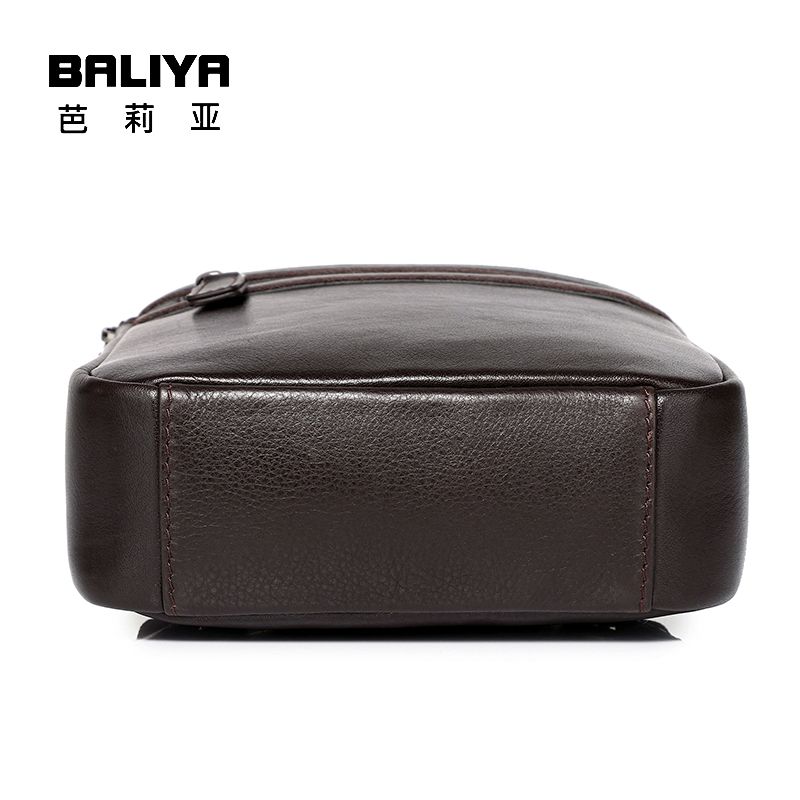
- Stitching: High-quality bags will feature even, tight stitches without loose threads or missed spots. Hand-stitched pieces often indicate a premium product.
- Hardware: Zippers, clasps, and buckles should feel robust and function smoothly. Look for metal hardware over plastic to ensure longevity.
- Weight: A heavier leather bag typically indicates a higher-quality material, especially if it’s made of full-grain leather.
- Smell: Authentic leather has a distinct smell, unlike synthetic materials. A strong, rich leather scent can be a cue for quality.
1.3 Environmental Impact of Leather Sourcing
As consumer awareness regarding sustainability grows, the environmental impact of leather sourcing cannot be overlooked. The tanning process often involves the use of chemicals that can harm local ecosystems. However, many brands are shifting towards eco-friendly tanning methods that use less harmful chemicals and promote animal welfare.
Choosing a Leather Bag made from sustainably sourced leather not only ensures a premium product but also demonstrates a commitment to environmental responsibility. Look for companies that prioritize transparency in their sourcing practices and engage in ethical leather production.
2. Styles of Leather Bag
2.1 Everyday Leather Bag Options
Everyday leather bags come in various styles suited for different uses. Understanding your daily requirements can help narrow your choices:
- Tote bags: These spacious bags are perfect for carrying essentials and can transition easily from work to weekend.
- Messenger bags: Ideal for those who commute, messenger bags provide organization and easy access, making them practical for daily use.
- Backpacks: Modern leather backpacks combine style with functionality, ideal for professionals who need to carry laptops and documents.
2.2 Leather Bags for Special Occasions
Special occasions call for sophisticated leather bags. These meticulously designed options are crafted to make an impression:
- Clutches: Perfect for evening events, clutches can enhance your outfit while providing just enough space for essentials.
- Crossbody bags: Offering both style and functional ease, crossbody bags are perfect for events where you want to keep your hands free.
- Briefcases: For meetings and formal events, leather briefcases exude professionalism and style, setting the right tone for business engagements.
2.3 Versatility of Leather Bags in Fashion
Leather bags are timeless fashion pieces that can integrate seamlessly into any wardrobe. Their versatility allows them to be paired with various attire, from casual to professional. A well-crafted Leather Bag can elevate your style, providing both functional and aesthetic value.
Additionally, many designers recognize the trend of unisex or gender-neutral leather bags, granting consumers the freedom to express their personal style regardless of gender norms. This adaptability in design aligns with current fashion sensibilities, reflecting an ethos of inclusivity.
3. Functional Aspects of Leather Bag
3.1 Choosing the Right Size
The size of your Leather Bag plays a crucial role in its usability. Whether you need a large bag for work or a small one for social events, consider the following guidelines:
- Assess your daily carry items—make sure the bag can accommodate everything necessary without being cumbersome.
- Check if the bag can maintain its shape and style regardless of load. Bags overly stuffed can lose their aesthetic appeal.
- Consider your body type. Larger bags may overwhelm smaller frames, while petite bags may not suit taller individuals.
3.2 Organizational Features for Everyday Use
When selecting a leather bag for daily use, organizational features can significantly enhance functionality. Look for:
- Multiple compartments that keep items organized, such as pockets for keys, phones, and wallets.
- Adjustable or removable straps for versatility in carrying styles.
- Secure closures that prevent accidental spills of contents during movement.
3.3 Comfort and Ergonomics in Leather Bags
Comfort is paramount, especially if you carry your bag for prolonged periods. Ergonomically designed leather bags should consider aspects such as:
- Shoulder width—look for padded straps or wider handles to distribute weight evenly.
- Back support—bags designed to rest on your back should have contours that follow the natural shape of the spine.
- Weight distribution—ensure that the bag’s design allows for even weight distribution, preventing strain on one side of the body.
4. Maintaining Your Leather Bag
4.1 Cleaning and Conditioning Tips
Caring for your Leather Bag will extend its lifespan significantly. Regular maintenance includes cleaning and conditioning:
- Use a soft, damp cloth to wipe away dirt before it settles into the leather.
- Apply a leather conditioner periodically to prevent cracks and maintain suppleness.
- Avoid over-exposure to sunlight or heat, which can cause fading and drying. Store bags in a cool, dry place.
4.2 Storing Your Leather Bag Properly
Proper storage practices are essential for maintaining the shape and integrity of your leather bag. Follow these tips:
- Fill the bag with acid-free tissue paper or a similar material to help maintain its shape while in storage.
- Store bags upright, not crushed under other weights, to prevent creases and damage.
- Use dust bags for extra protection from dust and exposure when not in use.
4.3 How to Repair Minor Damages
Despite careful handling, minor damages like scratches may occur. Quickly addressing these issues can help maintain your bag's allure:
- For light scratches, gentle rubbing with a soft, dry cloth can often restore the appearance.
- Consider using leather repair kits for deeper scuffs; these kits often include color-matching solutions.
- Regularly check and address any signs of wear in stitching or hardware to prevent further damage.
5. Trends in Leather Bags
5.1 Current Fashion Trends for Leather Bags
Fashion trends in leather bags are constantly evolving. Here are some of the current popular trends:
- Minimalist designs that focus on clean lines and simple aesthetics are increasingly sought after.
- Bold colors and unique textures, including embossed patterns and contrasting leather types, add a touch of personality.
- Functional designs that merge fashion with utility, such as tech compartments and modular configurations, are becoming more prevalent.
5.2 Customization Options for Unique Appeal
Consumers are increasingly demanding personalized products. The option to customize a Leather Bag allows individuals to express their unique style. Custom options may include:
- Choosing the leather type, color, and finish to fit personal preferences.
- Adding monograms or initials for a personal touch.
- Selecting functional elements, like pockets or strap styles, that cater to individual needs.
5.3 Sustainable Innovations in Leather Bags
Sustainability is a driving force in the fashion world, and leather bags are no exception. Innovations are continually emerging, such as:
- Biodegradable leather options, addressing concerns about waste and environmental impact.
- Recycled materials being used in straps and accents, promoting eco-friendliness through upcycling.
- Brands implementing ethical sourcing practices to ensure animal welfare and sustainable production methods.