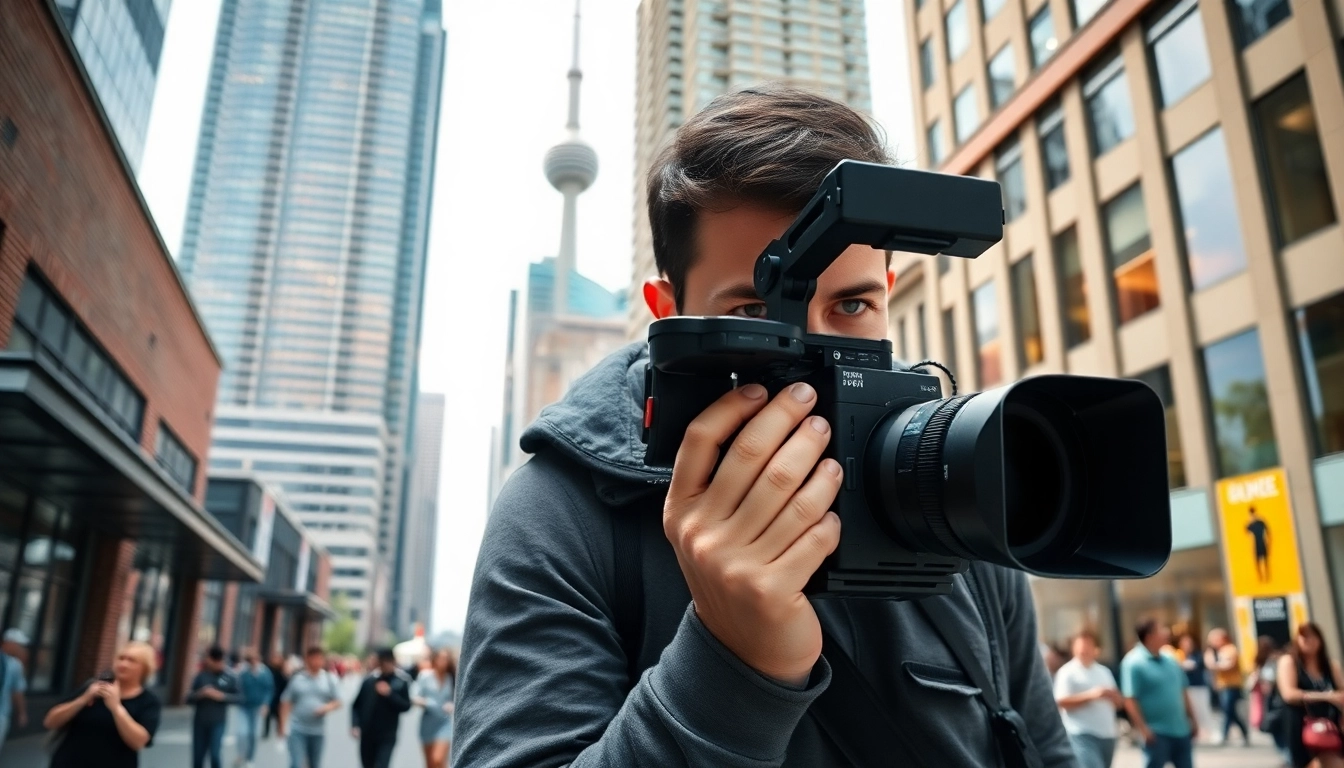
The Essence of Toronto Videography
Toronto, a bustling metropolis characterized by its diverse cultures, vibrant art scene, and stunning landscapes, offers a wealth of inspiration for videographers. As creatives seek to capture the essence of this dynamic city, understanding the nuances of Toronto videography becomes essential. This article delves into the art and technique of videography in urban settings, highlighting the significance of storytelling, equipment, techniques, audience engagement, and common challenges, all while providing actionable insights for aspiring and established videographers alike.
Understanding Videography in Urban Settings
Videography in urban settings like Toronto presents unique opportunities and challenges. Urban landscapes serve as dynamic backdrops that enrich visual storytelling. Unlike rural environments, cities offer a constant flow of activity, lighting diversity, and a blend of architectural styles. The sounds and sights of city life add layers to a videographer’s narrative, allowing for vibrant, engaging content.
Key to urban videography is the ability to adapt to an ever-changing environment. Factors such as the time of day, weather conditions, and pedestrian traffic can greatly influence filming. A successful videographer must be prepared to harness these elements to create compelling and relatable stories that resonate with diverse audiences.
Key Elements of Engaging Video Content
When it comes to engaging video content, several elements are paramount. First and foremost is the story. Every video should have a narrative arc that captures the viewer's attention and leads them through a journey. Incorporating interviews, testimonials, or local folklore can deepen the connection to the city.
Visual aesthetics also play a crucial role. Composition, color grading, and shot selection must align with the story being told. Toronto’s picturesque neighborhoods, iconic landmarks, and unique arts districts offer a visual feast that can amplify storytelling when done thoughtfully.
Furthermore, sound design cannot be overlooked. Ambient sounds, music, and voiceovers contribute significantly to the mood of the video. Integrating sounds that reflect Toronto’s unique atmosphere enhances the viewer’s experience, making the content not just visually pleasing but narratively compelling.
Toronto’s Unique Storytelling Perspective
Toronto’s multicultural landscape presents a rich tapestry of stories waiting to be told. Videographers have the opportunity to explore themes of community, resilience, and diversity, making each project unique to its subjects. Understanding the cultural context of the neighborhoods being filmed is crucial in portraying authentic narratives.
Incorporating local voices can significantly enhance storytelling. Partnering with community members or local artists can provide insights that result in diverse viewpoints, ensuring that the video reflects the multi-faceted nature of Toronto. This local collaboration not only enriches the content but also builds relationships within the community, leading to more significant opportunities.
Choosing the Right Equipment for Toronto Videography
Essential Gear for Quality Footage
Choosing the right equipment is fundamental in achieving quality footage. The selection often begins with the camera. While there are high-end cinema cameras available, many videographers start their journey with DSLRs or mirrorless systems, which provide flexibility, excellent image quality, and portability.
Additionally, stabilization equipment such as gimbals and shoulder rigs is key for smooth tracking shots, especially in busy urban environments. A good microphone and external recording device are vital for capturing clear audio, ensuring that dialogue and environmental sounds are crisp and engaging.
Comparing Camera Types: DSLR vs. Mirrorless
The debate between DSLR and mirrorless cameras is ongoing. DSLRs are often favored for their robust build and reliability, along with a wider selection of lenses. However, mirrorless cameras are rapidly gaining popularity due to their compact size, lighter weight, and advanced features such as full-time electronic viewfinders and superior autofocus systems.
Ultimately, the choice between these two types of cameras comes down to personal preference and specific project needs. Conducting thorough research and testing different models can help determine which is best suited for capturing the vibrant essence of Toronto.
Accessories that Enhance Toronto Videography
Accessories are just as crucial as the camera itself. A tripod is essential for stable shots, particularly in low-light conditions such as evening shoots at iconic locations like the CN Tower or the Toronto Islands. Filters can also be beneficial; for instance, ND filters allow for proper exposures in bright sunlight, ensuring the camera settings can be adjusted creatively.
Lighting equipment is also important, especially when filming indoors or during the evening. Having portable LED lights can assist in achieving professional-level shots without compromising on quality. These accessories can elevate the production value and help create a polished final product that stands out in today’s content-rich landscape.
Techniques to Elevate Your Toronto Videography
Framing and Composition Essentials
Framing and composition are foundational elements in videography. The rule of thirds is a classic guideline that helps structure your shots effectively. However, breaking this rule occasionally can yield striking visuals, especially in a diverse city like Toronto.
Consider incorporating leading lines, layers, and framing with natural elements such as trees or buildings to guide the viewer’s eye through the scene. Understanding the visual relationships within Toronto’s urban landscape can enhance storytelling and improve the overall aesthetic of the video.
Using Natural Light to Your Advantage
Natural light is one of the most powerful tools at a videographer's disposal. Toronto’s variety of architectures and open spaces provide opportunities for different lighting conditions throughout the day. Golden hour, just after sunrise and before sunset, offers soft, warm lighting perfect for capturing the city’s vibrancy.
Moreover, understanding how to work with shadows can add depth and dimension to your footage. Experimenting with different times of day and locations will help identify your ideal settings and improve the quality of your work significantly.
Editing Tips for Urban Videography
Post-production is where the magic happens, bringing your visual story to life. Editing techniques such as color grading and sound design are crucial for creating mood. Consider developing a consistent style that reflects both your personal brand and the essence of Toronto.
Incorporating graphic overlays, subtitles, or transitions can enhance storytelling while maintaining viewer engagement. Tools like Adobe Premiere Pro or Final Cut Pro offer advanced editing capabilities that can elevate footage, but the key is to ensure that edits are seamless and do not distract from the narrative.
Understanding Your Audience in Toronto Videography
Identifying Target Viewers and Their Preferences
Knowing your audience enhances the storytelling process. Whether targeting tourists looking for destination guides or locals wanting to uncover hidden gems, understanding preferences will shape the content you create. Researching what resonates with your target viewership can bring clarity to your creative direction.
Creating Content That Resonates with Locals
Content that reflects the lives and interests of Toronto residents fosters a sense of community. Use local events, traditions, and stories to connect more deeply with viewers. Engaging with locals on social media can also provide insights into what types of content would garner interest and increase shareability.
Utilizing Feedback for Improvement
Feedback is invaluable for growth. Share your videos on platforms where local communities engage, such as community boards, social media groups, or even local festivals. Listening to viewers' comments can lead to new ideas for future projects and foster a loyal audience base eager to see what comes next.
Common Challenges in Toronto Videography and Solutions
Navigating Changing Weather Conditions
Toronto’s weather can be unpredictable, posing challenges for videographers. Sudden rain or overcast skies can disrupt outdoor shoots. To mitigate this, always have a backup plan. Consider indoor locations or plan for variable weather by utilizing protective gear for your equipment, such as rain covers.
Managing Permissions and Filming Locations
Filming in public spaces often requires obtaining permissions or permits. Familiarize yourself with Toronto's local laws regarding videography in public settings. Planning ahead and conducting thorough research can streamline the process, ensuring that your creative vision is not hampered by legal hurdles.
Staying Inspired Amidst Competition
With the rising number of videographers in Toronto, staying inspired and innovative is essential. Engaging with the community, attending film festivals, and collaborating with other creatives can spark new ideas. Continuously experimenting with different styles and themes will help you stand out in the saturated market.
Frequently Asked Questions
What is the best equipment for beginners in Toronto videography?
Beginners should consider using a DSLR or mirrorless camera, a sturdy tripod, and a good microphone. These essentials will provide quality footage without overwhelming complexity.
How can I tell engaging stories through my videos?
Focus on crafting a clear narrative arc. Use local interviews, community stories, and relevant visuals to create a compelling storyline that resonates with your audience.
What's the best way to deal with Toronto's unpredictable weather?
Always have a backup plan for filming locations. Consider indoor settings and be prepared with protective gear for your equipment to avoid disruptions during inclement weather.
Can I film in public places without a permit?
It depends on the location and nature of your shoot. While many public areas allow filming, some may require permits, especially for commercial projects or using significant equipment.
How can I improve my videography skills?
Practice regularly and seek constructive feedback. Engage with others in the videography community for collaborative learning and inspiration to continually enhance your skills.