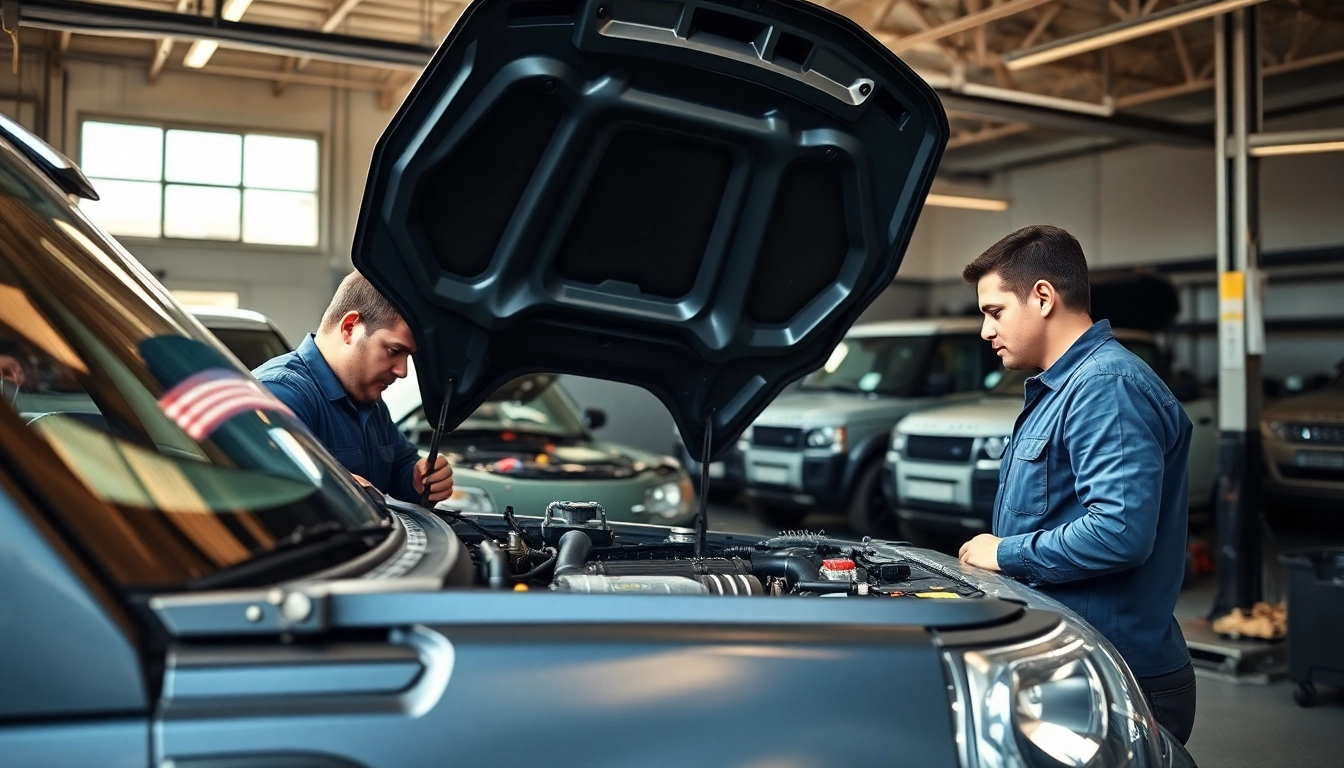
Understanding the Importance of Smog Check
What is a Smog Check?
A Smog Check, also known as an emissions test, is a process designed to measure the amount of pollutants your vehicle emits into the atmosphere. This inspection is crucial in assessing the compliance of your vehicle with environmental standards set by regional and national authorities. Smog checks vary by jurisdiction, but typically they involve testing the exhaust emissions from the vehicle to ensure they meet the required benchmarks.
Why Regular Smog Check is Essential
Regular smog checks are vital for several reasons:
- Environmental Protection: Vehicles are significant contributors to air pollution. Regular inspections help to reduce harmful emissions that negatively impact air quality.
- Legal Compliance: Many states require vehicles to pass smog checks to be legally roadworthy. Failing to comply can result in fines, registration issues, or more severe penalties.
- Cost Efficiency: Addressing potential emissions issues early can prevent costly repairs down the line. Vehicle systems that are not functioning optimally may not only fail a smog check but also lead to reduced fuel efficiency.
Common Misconceptions About Smog Check
There are several misconceptions surrounding smog checks that can lead to confusion:
- Some people believe that their new vehicles do not need smog checks. However, even new cars may require testing after a certain period or mileage.
- Others think that smog checks are only about emissions. While emissions are a primary focus, these checks can also reveal other potential mechanical issues.
- Many believe that failing a smog check is the end of the road for their vehicle. In reality, repairs can often resolve the issues leading to failure.
The Smog Check Process Explained
Preparation Steps for a Smog Check
Successfully preparing for a smog check can improve your chances of passing. Here are steps you can take:
- Check Your Engine Light: Ensure that your check engine light is off. If it's on, this may indicate an issue that could lead to a failure.
- Perform Routine Maintenance: Regular oil changes, air filter replacements, and spark plug inspections can keep your emissions system in good health.
- Warm Up Your Vehicle: Driving your vehicle for at least 20 minutes before the check can help to ensure that the engine reaches optimal operating temperature, improving performance during the test.
What to Expect During the Inspection
During a smog check, you can expect the following:
- Your vehicle will be connected to a diagnostic machine that measures the emissions produced.
- Visual inspections may occur to check for other potential issues such as exhaust leaks or engine malfunctions.
- The overall process typically takes between 20 to 30 minutes; however, wait times can vary depending on the location.
Post-Inspection: Understanding Results
After the smog check, you will receive a report detailing whether your vehicle passed or failed:
- If You Pass: You will receive a certification that allows you to register your vehicle.
- If You Fail: The report will indicate what caused the failure. Common issues may include faulty oxygen sensors, catalytic converters, or exhaust leaks.
- It's advisable to address any issues promptly to prevent further complications and prepare for a retest.
Smog Check Requirements by State
Variations in Smog Check Regulations
Smog check regulations can vary significantly from one state to another:
- Some states have rigorous emissions testing programs, while others may require minimal inspections. Understanding local regulations is essential.
- In dense urban areas, states are often stricter on emission standards than in rural regions.
What Documents Are Required?
Preparation is key for a successful smog check. You may need to bring the following documents:
- Your vehicle registration.
- Proof of identification.
- Any previous smog check documents (if applicable).
Frequency of Smog Checks Across States
The frequency of required smog checks varies:
- Some states schedule checks annually, while others may require them biannually.
- Date of first registration, vehicle age, or type of fuel used can all influence the schedule.
How to Prepare Your Vehicle for a Smog Check
Maintenance Tips Before Your Smog Check
Proper vehicle maintenance can help ensure a successful smog check:
- Regularly replace air filters; clogged filters can hinder engine performance and may lead to higher emissions.
- Check and replace your spark plugs as needed; worn spark plugs can cause inefficient fuel burning.
- Monitor tire pressure; under-inflated tires can affect fuel efficiency and emissions.
Common Issues That Cause Failure
Certain common problems are known to lead to smog check failures:
- Malfunctioning catalytic converters, which are essential for reducing harmful emissions.
- Faulty oxygen sensors can mislead the vehicle's computer about the air-fuel mix, leading to excessive emissions.
- Engine misfires can affect the efficiency of emissions control systems and lead to increased pollutants.
When to Seek Professional Help
If your vehicle exhibits warning signs, you should consider seeking professional assistance:
- Persistent engine lights often denote issues that need diagnosis.
- Any unusual sounds or performance problems may require immediate inspection to avoid failing a smog check.
- Consulting a mechanic knowledgeable about emissions systems can provide insights into compliance needs.
Frequently Asked Questions About Smog Check
What Does a Smog Check Prove?
A smog check is an assessment of your vehicle's emissions to ensure they meet environmental standards, helping to reduce pollution.
How Often Should I Get a Smog Check?
The frequency varies by state; some require checks annually, while others may allow checks every two years based on vehicle age and mileage.
What Happens If My Vehicle Fails the Smog Check?
If your vehicle fails, the report will list failures. You must address these issues and retest the vehicle before it can be registered.
Are There Exemptions for Certain Vehicles?
Yes, exemptions may apply to vehicles based on age, type, or ownership status. Classic cars and electric vehicles often have different requirements.
How Much Does a Smog Check Typically Cost?
Costs can vary widely depending on your state and the specific service center, ranging from $15 to $70 on average for the inspection alone.