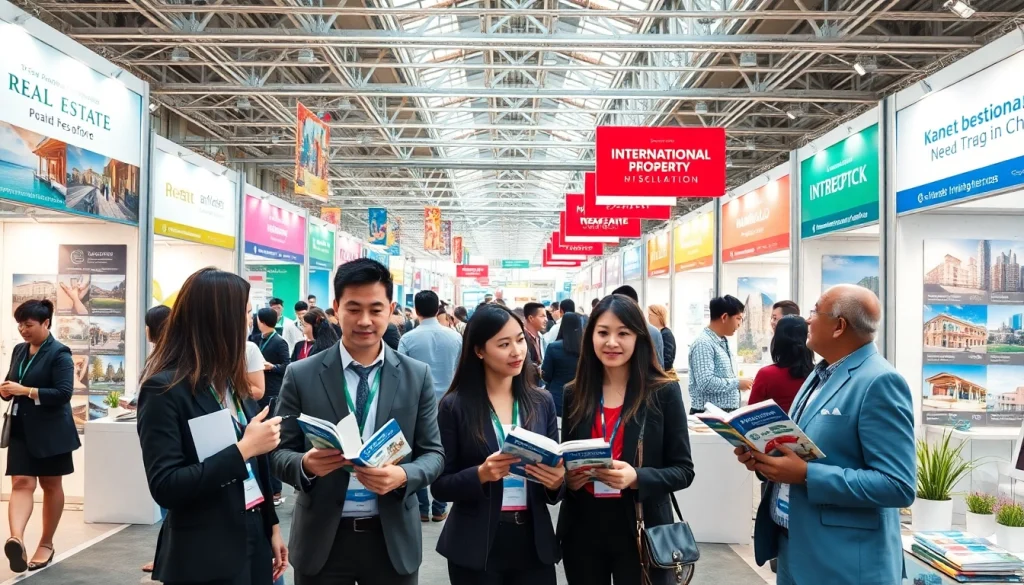
Understanding International Real Estate Dynamics
The landscape of international real estate is multifaceted and continuously evolving, influenced by various factors that span economic, political, and cultural dimensions. Real estate investments across borders present unique opportunities and challenges, compelling investors to stay well-informed about the dynamics of global markets. In this section, we will explore key factors that shape these markets, delve into regulatory frameworks, and consider cultural contexts that affect investment decisions.
Key Factors Influencing Global Markets
The fluctuations in international real estate markets are often dictated by a blend of macroeconomic indicators and geopolitical developments. Key factors influencing these marketplaces include:
- Economic Stability: A stable economy attracts investors by providing confidence in the market. Economic indicators such as GDP growth, inflation rates, and employment figures are critical.
- Interest Rates: The cost of borrowing money for investments is determined by interest rates set by central banks. Lower interest rates often stimulate investment, whereas higher rates can deter potential buyers from venturing into international markets.
- Political Stability: The political environment in each country determines the likelihood of direct foreign investment. Political unrest or instability can deter investment, whereas pro-business policies can encourage it.
- Exchange Rates: Fluctuating currency values can impact the purchasing power of foreign investors. A favorable exchange rate can make properties more affordable for investors while making transactions complex during unfavorable conditions.
- Global Trends: Emerging trends, such as urbanization and the rise of remote work, establish new demands for real estate, showcasing opportunities in sectors like residential, commercial, and industrial properties.
Regulatory Frameworks Across Borders
Each country has its own set of laws and regulations governing real estate transactions. Understanding these rules is pivotal for any investor looking to engage in international real estate. Key aspects of these regulatory frameworks include:
- Ownership Rights: Different countries have varying regulations regarding foreign ownership of property. It’s essential to understand the specific rights before making an investment.
- Taxation: Investors must navigate through the complexities of property taxes, capital gains taxes, and other financial obligations that can affect overall profitability.
- Disclosure Requirements: Regulations often dictate what information must be disclosed during real estate transactions, which can influence negotiation strategies.
- Financing Regulations: Different countries have different rules regarding how mortgages are issued to foreign investors. Understanding these financing regulations is crucial for funding acquisitions.
Cultural Considerations in International Real Estate
Cultural awareness is a critical component of successful international real estate investment. The significance of cultural nuances can impact everything from negotiation styles to property types that are valued. Consider the following:
- Local Preferences: Understanding what types of properties are favored in specific markets can lead to more profitable investments. For instance, condominiums may be preferred in urban settings, while villas may attract buyers in resort areas.
- Negotiation Norms: Approaches to negotiation can vary significantly across cultures. Being sensitive to local customs can facilitate smoother transactions.
- Business Etiquette: Familiarizing yourself with customary business practices and social norms can enhance relationship-building efforts, crucial for successful international investment.
Investment Strategies for International Real Estate
To maximize success in international real estate, investors must adopt well-thought-out strategies that reflect both global market dynamics and personal investment goals. Here, we discuss various effective investment strategies that can enhance portfolio performance.
Diversity in Property Types and Locations
Diversification is a fundamental principle in investing. In the realm of international real estate, diversification can mitigate risks while tapping into different market opportunities. Consider the following aspects:
- Property Types: Investors may choose to invest in a mix of residential, commercial, industrial, and retail properties. Each asset class reacts differently to market changes, providing a buffer against volatility.
- Geographical Spread: Investing in multiple countries can hedge against regional downturns while capitalizing on growth in other areas. For instance, investing in emerging markets with higher growth potential can outweigh losses in mature markets.
- Alternative Investments: Beyond traditional property investments, exploring opportunities in Real Estate Investment Trusts (REITs) and crowdfunding platforms designed for international properties can offer substantial returns and diversification.
Building a Global Investment Portfolio
Creating a robust global investment portfolio involves careful planning, research, and ongoing management. Steps to building such a portfolio may include:
- Research: Conduct thorough due diligence on target markets, analyzing economic indicators, property demand, and growth potential.
- Set Objectives: Clearly define your investment goals, whether they are focused on capital appreciation, rental income, or a balance of both.
- Leverage Local Expertise: Collaborate with local real estate professionals who understand the nuances of the market, ensuring that investment decisions are well-informed.
- Diversify Investments: Incorporate properties from a range of locations and types, as mentioned earlier, to create a well-rounded investment portfolio.
Risk Management in International Real Estate Investment
Investing in international real estate presents unique risks that must be managed effectively. Here are essential strategies for mitigating these risks:
- Comprehensive Risk Assessment: Conduct thorough risk assessments that consider economic, political, and environmental factors influencing the market.
- Diverse Investments: A diversified portfolio reduces exposure to risks associated with specific regions or asset classes.
- Insurance Coverage: Obtain adequate insurance to protect against property damage, loss of rental income, and other unforeseen liabilities.
- Exit Strategies: Always have clear exit strategies articulated before investing. Knowing how to divest can cultivate greater confidence and reduce investment anxiety.
Finding the Right International Real Estate Partners
The connections you establish in the realm of international real estate can significantly influence your investment success. Effective networking plays a pivotal role in forging these necessary partnerships. In this section, we will explore how to cultivate robust relationships with various stakeholders.
Networking and Relationship Building
Strong relationships are vital for success in international real estate. Here are strategies for effective networking:
- Engagement in Local Communities: Attend local property exhibitions, conferences, and workshops to meet industry leaders and like-minded investors.
- Join Professional Associations: Becoming a member of real estate organizations enhances credibility and opens doors to valuable networks.
- Leverage Online Platforms: Use social media and professional networking websites to connect with individuals and institutions involved in international real estate.
Choosing the Right Agents and Brokers
Identifying trustworthy agents and brokers is a crucial step in any international real estate endeavor. Here are considerations when selecting partners:
- Local Expertise: Ensure that the agents you’re considering have proven track records and substantial experience in the targeted regions.
- Reputation: Research online reviews and client testimonials to gauge the reputation of potential agents.
- Communication Skills: Choose brokers who are responsive and diligent, indicating they will keep you informed throughout the buying process.
Leveraging Technology for Connectivity
In today’s digital age, technology enhances connectivity and improves the efficiency of real estate transactions. Taking advantage of technological solutions can positively impact your international real estate investments:
- Property Management Software: Use digital tools to streamline management processes and communication with tenants.
- Virtual Tours: Offering 360-degree virtual tours can expand your reach to prospective buyers, enhancing engagement and facilitating decision-making.
- Data Analytics: Leverage property data analytics platforms to track market trends and make more informed investment decisions.
Market Trends Shaping International Real Estate
Staying updated with emerging trends can help investors adapt their strategies and capitalize on new opportunities within the international real estate sector. This section explores current market trends that are shaping the future of global real estate.
Impact of Economic Factors on Global Markets
Several macroeconomic factors continue to shape the dynamics of international real estate. Being aware of economic trends can offer valuable insights:
- Globalization: The interconnectedness of economies bolsters investment opportunities, as investors tap into diverse markets.
- Remote Work Dynamics: The shift towards remote work has created demand for properties in suburban and rural locations better suited for remote work lifestyles.
- Changing Demographics: An aging population in several regions affects housing demands, requiring diversified property types that cater to millennials, families, and retirees.
Emerging Technologies Transforming Real Estate
Technology continues to transform the real estate landscape. Key technological trends include:
- Blockchain Technology: Blockchain enhances transparency and security in transactions, attracting new investors and minimizing fraud.
- Artificial Intelligence: AI tools are refining property valuation processes and customer interactions through predictive analytics.
- Smart Homes: The rise of smart home technologies increases property values, as buyers are attracted to innovative and efficient living environments.
Sustainability Trends in International Developments
As global awareness about environmental issues rises, sustainability has become a key factor in real estate development. The trends include:
- Green Building Practices: Sustainable construction methods and energy-efficient designs are becoming standard in new developments, appealing to environmentally conscious investors.
- Smart Cities: Urban redevelopment focusing on sustainability continues to thrive, providing investment opportunities in eco-friendly developments.
- Regulatory Push: Governments worldwide are implementing policies that promote sustainability, driving demand for green properties and investments.
Case Studies: Success Stories in International Real Estate
Real-world case studies offer valuable insights into effective strategies and common pitfalls associated with international real estate. This section outlines notable success stories, highlighting lessons learned from both successful and challenging endeavors.
Investors Achieving High Returns
Numerous investors have yielded high returns by capitalizing on unique opportunities in international markets. Key factors in these success stories include:
- Market Insight: Investors who conducted thorough market research and understood local demands achieved superior results.
- Timing: Some investors took advantage of emerging markets at opportune moments, leading to significant capital appreciation.
- Long-Term Vision: Focusing on long-term investment strategies rather than short-term gains has proven successful for many international investors.
Overcoming Challenges in Global Transactions
Many investors face obstacles when dealing with international real estate transactions. Learning from these challenges can guide future endeavors. Common challenges include:
- Language Barriers: Miscommunication can lead to costly mistakes. Successful investors addressed language barriers through translation services or local partnerships.
- Regulatory Hurdles: Understanding and navigating varying legal frameworks is crucial. Investors who sought local expertise managed to streamline their transactions.
- Cultural Misunderstandings: A superb understanding of cultural differences can mitigate misunderstandings and foster cooperation between parties.
Lessons Learned from International Real Estate Deals
Reflecting on lessons learned from international investments provides valuable guidance. Key takeaways include:
- Maintain Flexibility: Markets can be unpredictable, and having the ability to pivot strategies is vital.
- Value Local Partnerships: Collaboration with local experts often enhances understanding and reduces risks.
- Keep Learning: Continuous education about market trends, legal changes, and investment strategies can empower investors to make informed decisions.