Fire Risk Assessment Services to Identify Hazards and Improve Workplace Safety
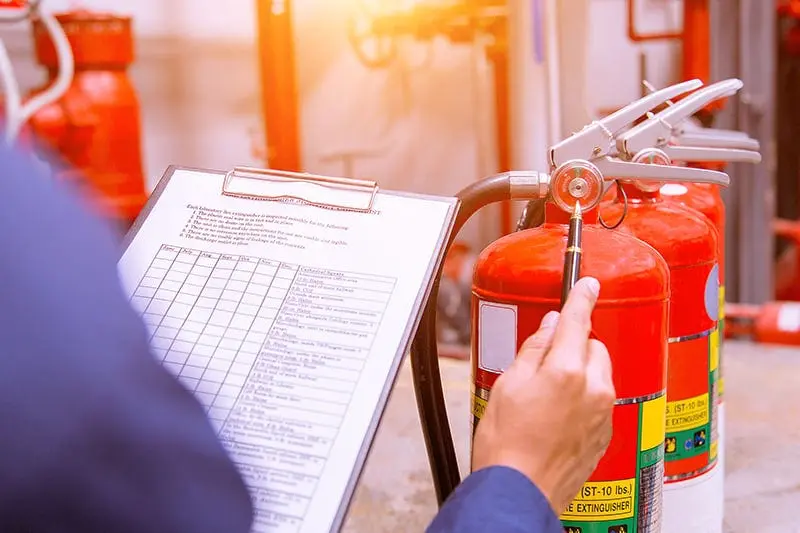
In modern workplaces, ensuring the safety of employees and assets is a top priority. Fire incidents remain one of the most serious threats to organizations, often causing devastating consequences. Businesses must prioritize fire risk assessment to identify hazards, implement preventative measures, and comply with legal requirements. A comprehensive fire risk assessment evaluates the potential risks associated with fire in the workplace, determines vulnerable areas, and develops strategies to mitigate those risks. Conducting a fire risk assessment is essential for preventing accidents, safeguarding staff, protecting property, and maintaining business continuity. By engaging professional fire risk assessment services, companies can ensure that all fire hazards are identified, safety protocols are robust, and the organization remains compliant with fire safety regulations. This process includes evaluating fire detection systems, emergency procedures, staff training, and the overall fire preparedness of the workplace.
Understanding Fire Risk Assessment
What is Fire Risk Assessment?
Fire risk assessment is a systematic process aimed at identifying fire hazards, assessing the likelihood and severity of fire incidents, and implementing measures to reduce those risks. The assessment covers various aspects of workplace safety, including electrical systems, flammable materials, escape routes, and fire detection and suppression equipment. Fire risk assessment helps organizations prioritize actions to protect employees and minimize the damage caused by potential fire incidents.
Importance of Fire Risk Assessment
A fire risk assessment is vital for several reasons. First, it ensures the safety and well-being of employees and visitors. Second, it helps businesses comply with national and local fire safety laws, avoiding potential fines and legal repercussions. Third, fire risk assessment can significantly reduce the financial impact of fire-related incidents by preventing property damage and operational downtime. Moreover, it promotes a safety culture within the organization, raising awareness about fire hazards and encouraging proactive behavior among staff.
Legal Requirements and Compliance
In most countries, fire safety legislation requires organizations to conduct a fire risk assessment regularly. Compliance with fire safety regulations is mandatory, and failure to implement proper fire safety measures can result in severe penalties. Organizations must ensure that fire risk assessment documentation is up-to-date and that recommendations from the assessment are implemented promptly. Regulatory bodies may conduct inspections to verify compliance, making regular fire risk assessment an essential part of workplace safety management.
Steps Involved in Fire Risk Assessment
Identifying Fire Hazards
The first step in a fire risk assessment involves identifying potential sources of fire. Common hazards include electrical equipment, heating systems, open flames, combustible materials, and poor housekeeping practices. Additionally, organizations should consider external factors such as nearby industrial facilities or construction sites that could increase fire risk. By identifying all potential hazards, companies can implement targeted measures to reduce the likelihood of fire incidents.
Evaluating Risks
Once hazards are identified, the next step is to evaluate the risk associated with each hazard. This involves analyzing the likelihood of a fire occurring and the potential impact on employees, property, and operations. Risk evaluation considers factors such as the size of the workplace, the number of occupants, the nature of business activities, and the effectiveness of existing fire safety measures. A thorough evaluation helps prioritize high-risk areas and allocate resources efficiently to mitigate fire hazards.
Implementing Control Measures
After evaluating risks, organizations must implement control measures to minimize fire hazards. Control measures may include installing fire detection systems, fire alarms, and sprinklers, providing appropriate firefighting equipment, and ensuring clear access to emergency exits. Regular maintenance of electrical systems, proper storage of flammable materials, and staff training on fire safety procedures are also critical components of risk mitigation. Implementing control measures reduces the likelihood of fire incidents and enhances overall workplace safety.
Documenting the Assessment
Proper documentation of the fire risk assessment is essential for compliance and accountability. A comprehensive report should detail identified hazards, risk evaluations, control measures, and recommendations for improvement. Documentation provides a reference for future assessments, enabling organizations to track progress and ensure continuous improvement in fire safety practices. It also serves as evidence during regulatory inspections or audits.
Reviewing and Updating the Assessment
Fire risk assessment is not a one-time task; it requires regular review and updates. Changes in workplace layout, processes, equipment, or staff numbers may introduce new fire hazards or alter existing risks. Organizations should schedule periodic reviews to ensure that fire safety measures remain effective and relevant. Updating the assessment helps maintain compliance, addresses emerging risks, and reinforces a proactive approach to fire safety.
Related Entities in Fire Risk Assessment
Fire Safety Consultants
Fire safety consultants provide expert advice and guidance on conducting fire risk assessment. They have the knowledge and experience to identify hazards, evaluate risks, and recommend effective control measures. Consultants may also assist in implementing fire safety plans, training staff, and ensuring compliance with fire safety legislation. Engaging professional consultants enhances the reliability and thoroughness of fire risk assessments.
Insurance Providers
Insurance providers often require organizations to conduct a fire risk assessment before offering coverage. A comprehensive assessment demonstrates that the company has taken appropriate steps to prevent fire incidents, potentially lowering insurance premiums. Insurance providers may also offer guidance on risk mitigation measures, helping businesses align their fire safety practices with industry standards.
Regulatory Authorities
Regulatory authorities play a crucial role in enforcing fire safety laws. They set standards for fire risk assessment, conduct inspections, and monitor compliance. Organizations must maintain accurate documentation and implement recommended safety measures to satisfy regulatory requirements. Collaboration with authorities ensures that fire risk assessments meet legal expectations and reduce the likelihood of enforcement actions.
Benefits of Professional Fire Risk Assessment Services
Enhanced Safety
Professional fire risk assessment services provide expert evaluation of workplace hazards, ensuring that all potential fire risks are identified and addressed. This enhances the safety of employees, visitors, and property, creating a secure working environment.
Compliance Assurance
Hiring professional services helps organizations comply with fire safety legislation and industry standards. Experts ensure that assessments are thorough, recommendations are practical, and documentation meets regulatory requirements.
Cost Savings
By preventing fire incidents, fire risk assessment services can save businesses significant costs related to property damage, business interruption, and legal liabilities. Proactive measures reduce the likelihood of expensive emergencies and insurance claims.
Improved Emergency Preparedness
Fire risk assessment services also evaluate emergency response plans, ensuring that staff are trained and evacuation procedures are effective. This preparation minimizes panic, injuries, and potential loss of life during fire incidents.
Reputation Management
A strong commitment to fire safety enhances a company’s reputation with clients, employees, and stakeholders. Demonstrating proactive safety measures fosters trust and confidence in the organization.
Common Fire Hazards Identified in Workplaces
Electrical Hazards
Faulty wiring, overloaded circuits, and malfunctioning equipment are major sources of fire in workplaces. Regular inspection, maintenance, and adherence to electrical safety standards are essential for mitigating these risks.
Flammable Materials
Improper storage and handling of flammable liquids, gases, and combustible materials increase the likelihood of fire incidents. Implementing safe storage practices and proper labeling reduces hazards.
Heating Equipment
Heaters, boilers, and other heating equipment can pose fire risks if not maintained properly. Ensuring regular inspections, servicing, and safe usage minimizes fire potential.
Human Error
Careless behavior, such as leaving appliances unattended or smoking in prohibited areas, contributes to workplace fires. Staff training and awareness programs are critical to preventing human error-related incidents.
Structural Factors
Poorly designed escape routes, blocked exits, and inadequate fire detection systems can exacerbate fire risks. Fire risk assessments identify structural weaknesses and recommend improvements.
FAQs About Fire Risk Assessment
What is the purpose of a fire risk assessment?
The purpose is to identify potential fire hazards, evaluate risks, and implement measures to protect employees, property, and operations while ensuring compliance with fire safety regulations.
How often should a fire risk assessment be conducted?
A fire risk assessment should be reviewed regularly, typically annually or whenever there are significant changes in the workplace, such as new equipment, processes, or staff numbers.
Who is responsible for conducting a fire risk assessment?
Employers or business owners are responsible for ensuring that a fire risk assessment is conducted. Many organizations hire professional consultants to ensure accuracy and compliance.
What are the key components of a fire risk assessment?
Key components include identifying fire hazards, evaluating risks, implementing control measures, documenting the assessment, and reviewing it periodically.
Can fire risk assessment reduce insurance premiums?
Yes, insurance providers may offer reduced premiums to organizations that demonstrate a thorough fire risk assessment and proactive risk management measures.
Conclusion
Fire risk assessment is a critical process for identifying hazards, reducing risks, and improving workplace safety. By conducting regular assessments, implementing control measures, and maintaining compliance with fire safety regulations, organizations protect their employees, property, and reputation. Professional fire risk assessment services provide expert guidance, ensure legal compliance, and enhance emergency preparedness. With comprehensive evaluation and proactive measures, businesses can create a safer working environment, prevent fire-related losses, and maintain operational continuity. Fire risk assessment is not merely a regulatory requirement but a vital investment in the safety and resilience of any organization.