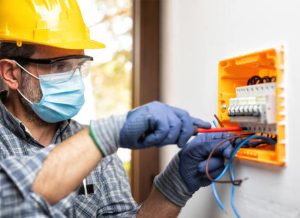
Understanding EV Charger Solution
What is an EV Charger Solution?
An EV charger solution refers to a comprehensive system designed for facilitating the charging of electric vehicles (EVs). This system encompasses various components such as charging stations, infrastructure, software for managing operations, and often includes maintenance and support services. Its purpose is to provide a seamless, efficient charging experience that meets the needs of EV users, whether at home, work, or in public spaces. With the rising popularity of electric vehicles, effective EV charger solutions are becoming essential for supporting sustainable transportation and reducing carbon emissions.
Components of an Effective EV Charger Solution
An effective EV charger solution consists of multiple components that collectively enhance the charging experience. Key components include:
- Charging Stations: These are the primary hardware units where EVs connect for charging. They vary in charging speed and communication capabilities.
- Power Supply: This includes the electrical infrastructure that ensures adequate power delivery to the charging stations.
- Management Software: Digital platforms that monitor and manage charging sessions, user access, billing, and sometimes integration with renewable energy sources.
- Networking Solutions: Systems that enable communication between the charging stations, users, and management software.
- Maintenance Services: Support services that ensure the stations are operational and efficient over time.
Importance of EV Charger Solutions in Modern Cities
As cities evolve, the rise of electric vehicles necessitates an extensive network of charging infrastructure. EV charger solutions play a pivotal role in modern urban planning, contributing to:
- Reducing Urban Pollution: By encouraging EV use, cities can significantly lower greenhouse gas emissions and air pollution.
- Enhancing Energy Efficiency: EV charger solutions can be integrated with renewable energy sources, promoting a cleaner urban energy grid.
- Increasing Convenience: Availability of charging stations enhances the usability of electric vehicles, encouraging more consumers to make the switch.
Types of EV Charger Solutions
Residential EV Charger Solutions
Residential EV charger solutions are designed for individual households to facilitate home charging of electric vehicles. These solutions often include:
- Level 1 Chargers: Standard household outlets that can charge an EV overnight but are slower than dedicated solutions.
- Level 2 Chargers: Require a dedicated circuit, these chargers significantly reduce charging time and are ideal for daily use.
- Smart Chargers: Equipped with features such as Wi-Fi connectivity, enabling users to monitor and control charging via mobile apps.
Commercial EV Charger Solutions
Commercial solutions are tailored for businesses looking to provide charging stations for employees, customers, or service fleets. Key aspects include:
- Fast Charging Stations: These can charge an EV quickly, making them suitable for locations where users might only park briefly.
- Load Management: Systems that optimize electricity use according to demand, preventing overloads and high costs.
- Billing Solutions: An integrated payment system that allows businesses to charge users for station access.
Public EV Charger Solutions
Public EV charger solutions are essential for creating a robust network of charging facilities across urban areas and highways. They typically feature:
- Charging Hubs: Locations with multiple charging stations, allowing many vehicles to charge simultaneously.
- Partnerships with Governments: Collaborations to deploy charging infrastructure at strategic locations.
- Interactive User Interfaces: Easy access for users to find nearby stations, check availability, and initiate charging sessions.
Benefits of Implementing EV Charger Solutions
Enhancing Accessibility and Convenience
Implementing EV charger solutions significantly increases the accessibility of charging infrastructure, enhancing user convenience. This includes:
- Strategically placed chargers in residential, commercial, and public spaces encourage EV adoption.
- User-friendly interfaces and applications that simplify finding and using chargers.
Environmental Advantages
Transitioning to electric vehicles and supporting them through effective charging solutions presents several environmental benefits:
- Reduction in harmful emissions contributes to improved air quality.
- Integration with renewable energy sources promotes sustainable energy use.
Boosting Local Economies
Implementing EV charger solutions can lead to economic growth by:
- Creating job opportunities in installation, maintenance, and management sectors.
- Attracting EV users to local businesses that provide charging options.
Implementing an EV Charger Solution
Planning and Design Considerations
Successful implementation of an EV charger solution requires thoughtful planning and design. Key considerations include:
- Location Selection: Charge stations must be placed in high-traffic areas with ample parking space.
- Power Requirements: Assessing the electrical capacity available and potential upgrades required for installation.
- Regulatory Compliance: Ensuring all installations meet local regulations and standards.
Installation Processes
The installation of EV charger solutions involves several steps:
- Conducting site assessments to determine suitability.
- Connecting to power sources and ensuring electrical safety.
- Testing the installation to verify operational efficiency.
Maintaining Your EV Charger Solution
Regular maintenance is crucial to ensuring that charging stations operate effectively. This includes:
- Routine inspections to identify wear and tear.
- Software updates for management systems to improve functionality.
- Responsive customer support to address user concerns and troubleshooting.
Future Trends in EV Charger Solutions
Technological Innovations
The future of EV charger solutions is promising, with several technological innovations on the horizon:
- Wireless Charging: Emerging technologies that allow vehicles to charge without physical connections.
- Mobile App Integration: Enhancements that provide users with real-time monitoring and control over charging.
Integration with Renewable Energy
Future EV charger solutions will increasingly incorporate renewable energy sources, allowing for:
- Reduced reliance on the grid.
- Contribution to energy sustainability and lower operating costs.
Policy and Infrastructure Changes
Government policies will play a crucial role in advancing EV charger solutions, including:
- Incentives for cities and businesses to invest in charging infrastructure.
- Regulations promoting cleaner transportation options.
Frequently Asked Questions
What is the average cost of an EV charger solution?
The cost of an EV charger solution varies widely based on factors such as type, location, and installation specifics. Residential chargers can start from a few hundred dollars, while commercial solutions might exceed several thousand dollars.
How long does it take to charge an electric vehicle?
The charging time for an electric vehicle depends on the charger type and the vehicle’s battery capacity. Level 1 chargers may take several hours, while Level 2 chargers can charge a vehicle in 4 to 8 hours, and fast chargers can do this in under an hour.
Are EV charger solutions eligible for government incentives?
Yes, many regions offer government incentives for the installation of EV charger solutions. These incentives can include tax credits, rebates, or grants aimed at encouraging the adoption of electric vehicles and charging infrastructure.
What factors should I consider when choosing an EV charger?
When choosing an EV charger, consider the charging speed, compatibility with your vehicle, required installation infrastructure, and whether a smart charger would enhance your charging experience.
Can I install an EV charger solution at home?
Yes, homeowners can install EV chargers, particularly Level 2 chargers, which require dedicated electrical work. It’s advisable to consult with a professional electrician to ensure safe and effective installation.