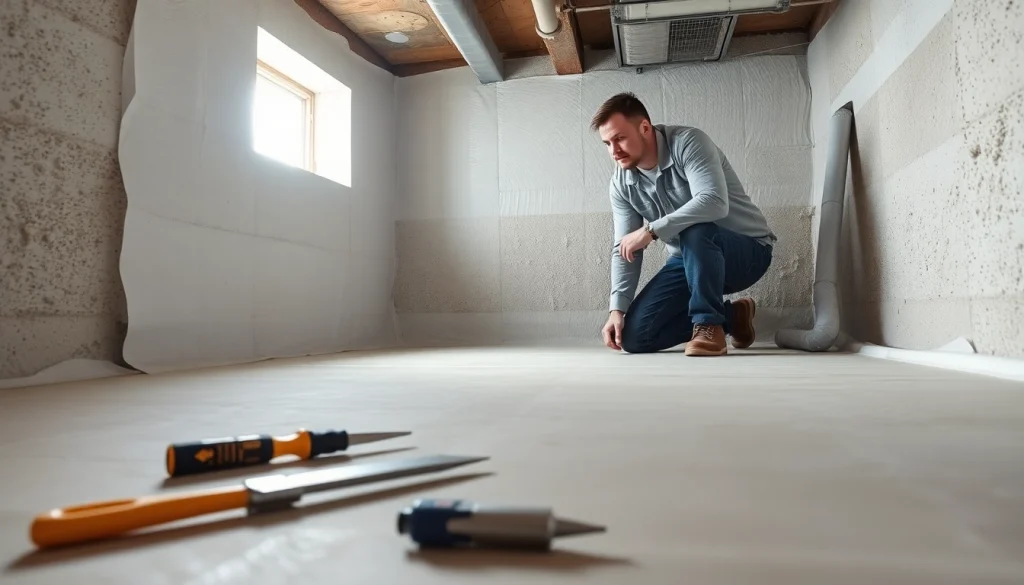
Understanding Crawl Space Restoration
Maintenance and health of your home’s structures should never be taken lightly, especially when it comes to vital areas like crawl spaces. Over time, these often-neglected spaces can develop issues that compromise not only the crawl space itself but potentially the entire home. The process of Crawl Space Restoration aims to address these problems, ensuring both resilience and safety in your living environment.
What is Crawl Space Restoration?
Crawl space restoration refers to a comprehensive approach that focuses on cleaning, repairing, and protecting the crawl space of a building. This process can include the removal of harmful elements such as mold, moisture, pests, and debris; repairs to structural damages; and leading to the implementation of protective measures aimed at preventing future deterioration.
The Importance of Crawl Space Restoration
The crawl space plays a critical role in maintaining the overall integrity of a home. An unaddressed crawl space can lead to a myriad of problems, including poor indoor air quality, structural damage, and increased energy costs. Moreover, unhealthy crawl spaces can lead to hazardous living conditions due to mold, pests, or even moisture-related issues. Restoration mitigates these risks while adding value to the property.
Common Problems Requiring Restoration
There are several common issues that may necessitate crawl space restoration:
- Mold Growth: Frequently found in damp areas, mold can spread quickly and pose health hazards.
- Excess Moisture: High humidity levels can lead to structural decay and attract pests.
- Structural Damage: Issues like cracks in the foundation or sagging beams can threaten the home’s stability.
- Pest Infestations: Rodents and insects can dwell within crawl spaces, causing further damage and health risks.
- Debris Accumulation: Old building materials and other debris can harbor harmful substances.
Key Steps in the Crawl Space Restoration Process
Inspection and Assessment Techniques
Before embarking on a restoration journey, thorough inspections are essential. Professional inspectors typically use tools like moisture meters and thermal imaging cameras to assess conditions accurately. Assessing the structure, identifying sources of moisture, and mapping out existing damage will form the blueprint for all subsequent restoration efforts.
Mold and Moisture Removal Strategies
When addressing mold and moisture, immediate action is critical. A combination of dehumidification and specialized cleaning agents can effectively remove mold. Professional-grade dehumidifiers can help regulate moisture levels, while antimicrobial solutions can treat affected areas. Sealing potential water intrusion sources is equally important to prevent recurrence.
Implementing Effective Encapsulation Solutions
Encapsulation involves sealing the crawl space completely to create a barrier between the environment and your structure. This includes:
- Installing a Vapor Barrier: A durable, polyethylene vapor barrier restricts moisture transfer.
- Sealing Vents: Blocking off vents during high humidity seasons can prevent unwanted moisture buildup.
- Insulating Walls: Proper insulation can help control temperatures and maintain a dry environment.
- Installing a Dehumidifier: This reduces humidity levels and ensures a dry and healthy crawl space.
Cost Considerations for Crawl Space Restoration
Typical Restoration Costs
The expense associated with crawl space restoration can vary significantly based on several factors, including the extent of the damage, size of the crawl space, and the specific restoration techniques employed. Generally, homeowners can expect costs to range from several thousand dollars to upwards of $15,000 for extensive repairs or encapsulation.
Factors Influencing Restoration Expenses
Key factors that can influence restoration costs include:
- Extent of Damage: More severe damage will naturally increase repair requirements and associated costs.
- Location: Geographic location can affect labor and material costs.
- Access: Difficult-to-reach crawl spaces may increase labor complexity and costs.
- Restoration Types: The type of methods and materials chosen for restoration can also dictate the final cost.
Financial Benefits of Proper Restoration
Investing in crawl space restoration can yield significant financial benefits. Not only can proper restoration prevent further costly structural issues, but it may also improve energy efficiency, potentially lowering your monthly utility bill. Furthermore, maintaining a healthy living environment can protect property value, making it easier to sell your home in the future.
DIY vs. Professional Crawl Space Restoration
When to Consider DIY Restoration
Homeowners with basic knowledge and experience can manage minor restoration tasks, such as clearing debris and applying sealants. If the issues are relatively straightforward, a DIY approach could save you significant money. Essential safety precautions must be followed to mitigate health risks.
Benefits of Hiring Professionals
While DIY may be tempting, significant problems often require the expertise of professionals. Trained technicians have the experience and tools necessary to identify hidden issues and implement effective restoration strategies. Additionally, professional services typically come with warranties, providing homeowners with peace of mind regarding the work completed.
Common Mistakes in DIY Restoration
A DIY approach may lead to common errors, including:
- Inadequate Moisture Measurement: Failing to properly measure moisture can lead to ineffective solutions.
- Neglecting Safety Precautions: Not using appropriate protective gear may lead to exposure to harmful substances.
- Missing Underlying Issues: DIYers may overlook critical structural problems needing attention.
Maintaining Your Restored Crawl Space
Regular Inspection and Maintenance Tips
Once restoration is finalized, a routine inspection and maintenance schedule is crucial. Homeowners should check the crawl space every six months and look for signs of moisture, pests, or structural damages. Maintaining dehumidification systems can also help preserve a healthy environment.
Signs Your Crawl Space Needs Attention
Recognizing early signs of trouble can save headaches later. Such signs include:
- Foul odors emanating from the crawl space.
- Visible mold growth on surfaces.
- Unexplained increase in energy bills.
- Pest sightings or droppings in the area.
- Cracks forming in your home’s foundation.
Choosing the Right Products for Protection
Selecting quality products for ongoing protection is vital to a successful crawl space maintenance routine. Sturdy vapor barriers, efficient dehumidifiers, and reliable sealants can create a fortified crawl space that stands the test of time.
Frequently Asked Questions
1. How often should I inspect my crawl space?
It’s advisable to inspect your crawl space at least twice a year, focusing on signs of moisture, pests, or structural issues.
2. Can I encapsulate my crawl space myself?
While DIY encapsulation is possible, it’s recommended to hire professionals for a thorough and durable installation to ensure effectiveness.
3. What are the signs of mold in my crawl space?
Look for visible growth, musty odors, and increased humidity levels. Regular inspections can help catch it early.
4. Does homeowners insurance cover crawl space repairs?
Insurance coverage varies; typically, it covers sudden incidents, such as water damage, but might exclude mold remediation.
5. What is the average cost for crawl space restoration?
The average cost can range between $2,000 to $15,000, depending on the issues and solutions needed. Consult a professional for a tailored estimate.