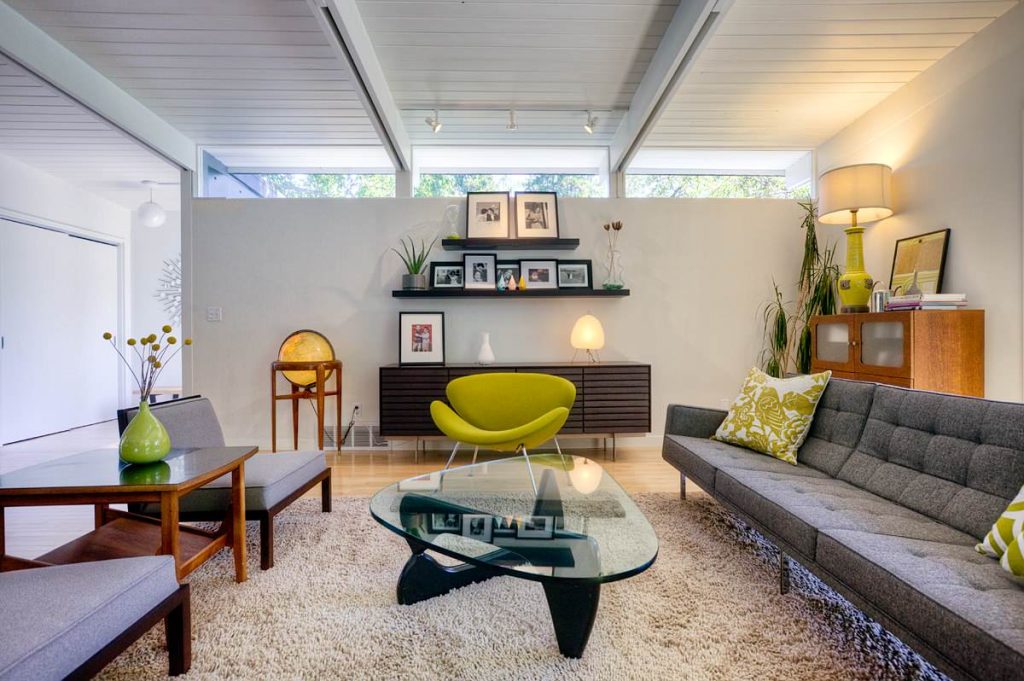
Understanding Modern Furniture Design
When it comes to modern furniture, design transcends mere aesthetics to become an essential part of how we experience our living spaces. The concept of modern furniture encompasses not just the look of pieces but their function, materials, and historical context. Understanding these elements is crucial for any consumer or designer looking to curate a stylish and functional environment.
What Defines Modern Furniture?
Modern furniture can be defined through its commitment to simplicity, functionality, and the innovative use of materials. It contrasts with traditional styles that often prioritize ornate designs and heavier forms. Objects in the modern furniture realm are often characterized by clean lines and minimalistic silhouettes, emphasizing form following function. The movement, primarily emerging in the early to mid-20th century, fundamentally revolutionized furniture design.
Key Characteristics of Modern Furniture
- Simplicity: Abandonment of unnecessary embellishments allows for elegance in simplicity.
- Functionality: Pieces are designed with practical use in mind, ensuring they serve their intended purpose efficiently.
- Innovative Materials: Use of new materials such as plastics, metals, and engineered wood provides versatility.
- Neutral Color Palettes: While bold colors are not excluded, the prevalence of neutral tones allows for easy integration into diverse spaces.
- Open Spaces: Often emphasizes wide spaces and a less cramped, airy feel.
Historical Context of Modern Furniture
The origins of modern furniture are rooted in the late 19th and early 20th centuries in Europe. Movements such as Bauhaus and Scandinavian design brought forth the principle that objects should be affordable and functional without sacrificing aesthetic appeal. This evolution was a response to the excesses of Victorian design and the Art Nouveau movement, giving rise to a new aesthetic that champions minimalism and practical design.
Choosing the Right Modern Furniture for Your Home
Selecting the right pieces of modern furniture involves more than mere taste; it requires a thoughtful consideration of your space, daily needs, and overall design goals. Here we break down the crucial factors to consider in crafting a modern living environment.
Assessing Your Space and Needs
Before purchasing any furniture, assess the dimensions and purpose of each room in the home. Consider how you will use each space. For example, a multifunctional piece might work well in a small living room, whereas a dedicated dining table might be a priority in a larger space. Take measurements and rely on design apps or techniques to visualize your choices before committing.
Balancing Functionality and Aesthetics
In modern furniture design, the marriage of function and aesthetics is essential. Choose pieces that facilitate ease of use while complementing the overall aesthetic of your home. For instance, a sleek sofa that also offers storage solutions is ideal for small apartments. Understanding your lifestyle, including how often you host guests or what furniture you often use can guide your choices effectively.
Popular Materials in Modern Furniture
Today’s modern furniture utilizes a wide range of materials. Common choices include:
- Wood: Engineered woods like plywood and minimalist designs that showcase natural grains.
- Metal: Steel and aluminum can provide a sleek, industrial feel.
- Glass: Often used in tables and shelving for an airy aesthetic.
- Textiles: Luxurious fabrics like natural linen, leather, or innovative synthetics for comfort.
- Plastics: Versatile and often colorful, providing an edge in both design and affordability.
Integrating Modern Furniture with Existing Decor
Integrating modern furniture into your existing decor can breathe new life into your space, but it requires an understanding of color, style, and accessories.
Color Coordination with Modern Furniture
Color plays a pivotal role in how modern furniture can complement existing decor. A neutral palette can serve as a grounding force, while pops of color through furniture pieces can invigorate the space. A modern blue armchair can serve as an accent in an otherwise beige room, creating focal points while still adhering to modern aesthetics.
Mixing Styles and Textures
Don’t shy away from mixing styles—modern furniture can coexist beautifully with vintage or industrial elements. This versatility allows you to curate a personalized space that reflects character and warmth. For example, placing a modern dining table with mismatched antique chairs can create a striking balance between old and new.
Accessorizing Around Modern Furniture
Accessories such as rugs, artworks, and plants serve to tie the room together. Utilize artwork with bold colors to accentuate modern furniture, or select textiles that mirror the color palette of your main pieces. Additionally, greenery can soften the sharp lines often found in modern design, bringing warmth and life into your space.
Sustainable Choices in Modern Furniture
As the focus on sustainability grows in design, modern furniture has evolved to incorporate responsible practices that benefit both consumers and the planet.
Eco-friendly Materials and Designs
Modern furniture is increasingly being designed with eco-conscious materials such as bamboo, reclaimed wood, and recycled metals. These materials not only reduce the environmental footprint but also offer unique aesthetics. For example, reclaimed wood pieces often showcase history and uniqueness that mass-produced items lack.
Responsible Sourcing Practices
Consumers are seeking transparency in how their furniture is produced. Responsible sourcing practices ensure that materials are harvested sustainably, supporting manufacturers who prioritize the environment. Seek out brands that provide clear information about their sourcing standards and aim for certifications that guarantee greener practices.
Long-lasting Benefits of Sustainable Modern Furniture
Investing in sustainable furniture not only benefits the environment but often results in greater durability and craftsmanship. Pieces designed with longevity in mind tend to require less frequent replacement, ultimately saving money in the long term while contributing to a healthier planet.
Maintaining and Caring for Modern Furniture
Once you have curated a collection of beautiful modern furniture, proper maintenance ensures these pieces remain in good condition for years to come. Here are some essential care tips.
Best Practices for Cleaning and Care
Regular cleaning is essential. Use a soft, damp cloth to wipe surfaces and avoid harsh chemicals that might damage finishes. For upholstered items, vacuuming regularly can help retain their appearance. Follow manufacturer guidelines for cleaning specific materials to maintain integrity.
Protecting Against Wear and Tear
Using coasters, runners, and protective pads can significantly reduce wear on surfaces. Rotate rugs and furniture occasionally to mitigate UV fading in lighter materials. Additionally, consider avoiding direct sunlight on fabrics to prevent discoloration and deterioration.
When to Consider Refurbishing Modern Furniture
Refurbishing may become necessary as modern furniture experiences wear. Indicators include visible damage, fading colors, or loosened joints. Engaging with a professional for refinishing can restore pieces to their former glory, allowing them to serve you well for many more years.
Frequently Asked Questions about Modern Furniture
What is modern furniture?
Modern furniture emphasizes minimalism, functionality, and clean lines, using innovative materials and designs developed since the early 20th century.
How do I choose modern furniture for small spaces?
Opt for multifunctional pieces with storage capabilities and choose lighter colors to create an illusion of space while maintaining functionality.
Is modern furniture eco-friendly?
Many modern furniture options use sustainable materials and responsible sourcing practices, making them eco-friendly choices for consumers.
Can modern furniture mix with other styles?
Yes! Mixing modern furniture with other styles can create unique, personal spaces that reflect diverse aesthetics and enhance visual interest.
How do I care for modern furniture?
Regular cleaning, avoiding harsh chemicals, and using protective pads or coasters can prolong the life and beauty of modern furniture.