Understanding the Impact of Wall Art
Why Wall Art Matters in Home Decor
Wall art serves as more than a decorative element in our living spaces; it is a reflection of personal taste, culture, and identity. By integrating wall art into your home decor, you can transform an ordinary space into an extraordinary one. Whether it’s an elaborate canvas, a minimalist print, or a collection of photographs, the art you choose can convey mood, invoke memories, and foster conversation.
When selecting wall art, consider the emotions and messages you wish to express. The right piece can instantly uplift your spirits or provide a calming effect, depending on color, style, and subject matter. A thoughtfully curated display has the potential to showcase your personality, values, and experiences, making your space uniquely yours.
The Psychological Effects of Art
Art has a profound psychological impact on individuals. Studies have shown that visual stimuli can trigger emotional responses, enhance creativity, and even reduce stress levels. For instance, vibrant colors and dynamic shapes can energize a room and invigorate its inhabitants, while more subdued tones can promote relaxation and calm.
Moreover, art can foster a sense of connection and belonging, especially in communal spaces. When art is prominently featured, it invites discussion and can create bonds among viewers, allowing people to share their perceptions and experiences. Organizations have recognized these effects and have incorporated art into their environments to boost morale and productivity.
Different Styles of Wall Art and Their Meanings
The world of wall art is diverse, encompassing a wide array of styles and genres, each with its unique characteristics and implications. Traditional styles such as oil paintings may evoke a sense of nostalgia, while contemporary pieces often resonate with innovation and experimentation.
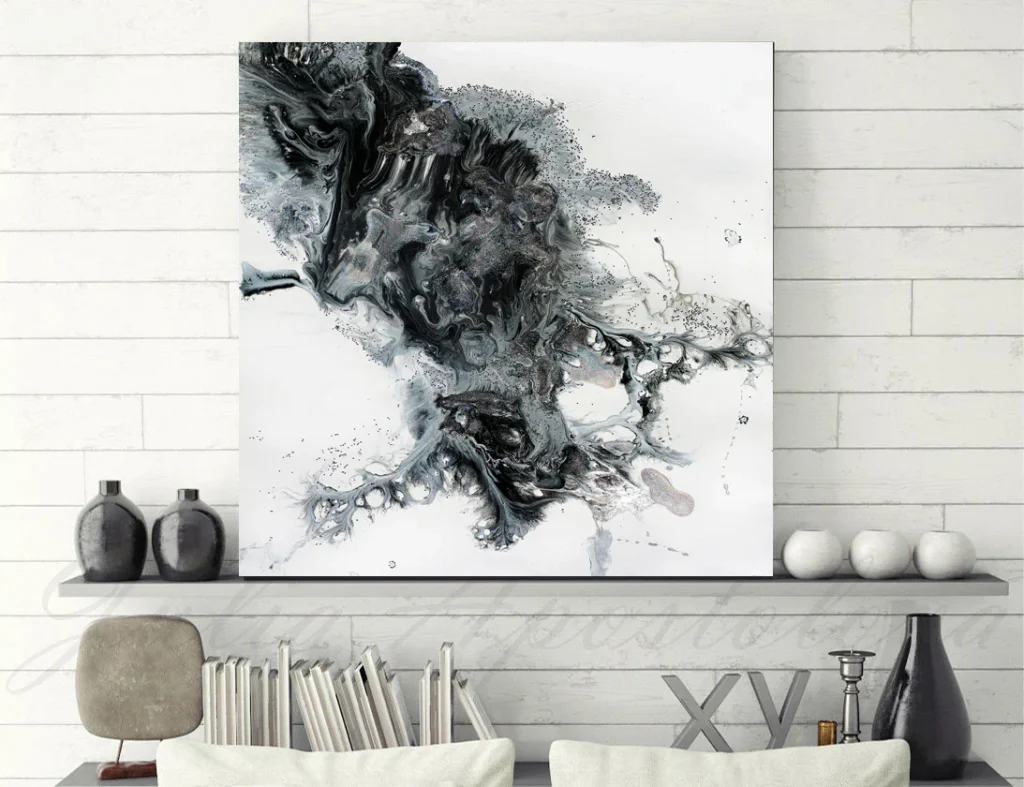
- Abstract Art: Often characterized by its use of shapes, colors, and forms, abstract art allows viewers to interpret meaning personally, fostering engagement and introspection.
- Landscape Art: This genre brings the beauty of nature indoors, creating a serene atmosphere that can transport the viewer to a tranquil setting.
- Photography: Photographs can capture fleeting moments and memories, providing a personal touch that relates closely to the owner’s experiences.
- Typography: Utilizing words and phrases, typographic art can inspire, motivate, or make a statement, serving as a powerful reminder of values and beliefs.
- Collage: A mixed-media approach, collage art brings various elements together, often reflecting the complexity of contemporary life.
Choosing the Right Wall Art for Your Space
Assessing Your Room’s Aesthetic
Before selecting wall art, it’s essential to evaluate the existing decor of your space. Consider color schemes, furniture styles, and overall themes. If your room features a modern design with sleek lines, a piece of abstract or minimalistic art may complement it best. For more traditional interiors, classic landscapes or portraiture can contribute significantly to the overall aesthetic.
Additionally, the ambience you desire plays a pivotal role in your selection. Bright, bold colors may invigorate a living space, while soft, muted tones can create relaxation areas such as bedrooms.
Considering Size and Scale of Wall Art
The size and scale of wall art are crucial to maintaining visual balance in a room. Large pieces can serve as stunning focal points in a spacious area, while smaller artworks can be grouped together for impact in cozier spaces. When measuring for wall art, take into account the dimensions of the wall, as well as the height at which the piece will hang. A common guideline is to hang art at eye level for optimal viewing.
Proportions matter significantly; oversized pieces in small rooms may overwhelm the space, whereas tiny art can become lost on vast walls. Aim for harmonious proportions to create a balanced look.
Mixing Styles: Eclectic Approaches to Wall Art
Mixing different styles of wall art can inject individuality and flair into your home decor. An eclectic gallery wall, blending various sizes, styles, and textures, draws the eye and sparks interest. To achieve this look, start with a unifying element, such as a common color theme or framing style, that ties the pieces together.
Don’t be afraid to venture beyond conventional combinations; the juxtaposition of modern and vintage art, or vibrant and muted palettes, can create memorable and striking displays. Experiment with arrangement and spacing to enhance visual appeal.
Placement and Arrangement of Wall Art
Effective Wall Art Groupings
Arranging wall art effectively can elevate its impact. Groupings can range from asymmetrical collections to symmetrical alignments. Both approaches have their merits and can serve to create focal points or visually appealing scenes. Consider the theme you wish to portray; asymmetrical arrangements can convey dynamism and playfulness, while symmetrical setups often offer a sense of order and calm.
Utilizing varied sizes within a grouping can create a more engaging and dynamic wall. When arranging art, it’s often helpful to lay out the pieces on the floor first to assess their relationships before committing to the wall.
Height and Positioning Rules for Wall Art
Height plays a significant role in how viewers engage with wall art. As a rule of thumb, center artwork at eye level, typically around 57 to 60 inches from the floor. However, this can vary based on the specific furniture arrangement. In spaces with expansive ceilings, consider elevating your artwork to draw the eye upward and create an illusion of greater height.
In artwork groupings, allow for consistent spacing—usually 2 to 6 inches between pieces to maintain cohesion without crowding the display. Avoid placing any art too close to furniture, ensuring that viewers have a clear line of sight.
Creating a Feature Wall with Wall Art
A feature wall can dramatically alter a space’s atmosphere and visual appeal. This dedicated wall can contain a mix of pieces that speak to various elements of your personality or interests. Choose a cohesive color palette or common theme to create visual unity. You might also consider painting the wall a contrasting color to make the art stand out even more.
Start by selecting a key piece that draws attention, then build around it with complementary works. Consider varying the orientation of each artwork—some positioned horizontally, others vertically—to maintain an energetic visual rhythm.
Maintaining Your Wall Art
Protecting Your Wall Art from Damage
Wall art is an investment; protecting it from damage ensures its longevity. Ensure that your pieces are hung securely to prevent accidents from occurring. Utilize protective frames for delicate works, and consider UV-resistant glass for photographs and art prints to prevent fading over time.
In high-traffic areas, be mindful of the type of art you display. Avoid placing valuable or fragile pieces in locations where they could be inadvertently brushed against or knocked down.
Cleaning and Caring for Different Art Mediums
Each type of wall art requires specific care methods. For canvas pieces, a gentle dusting with a soft cloth or a light vacuum with a brush attachment can be sufficient. Works on paper may need careful handling, while framed pieces with glass should be cleaned with glass cleaner to avoid scratches. Always check for specific care instructions as some pieces may require particular cleaning solutions or techniques.
Regular maintenance not only prolongs the life of your art but also preserves its visual appeal. Be attentive to sunlight exposure, humidity, and temperature fluctuations, as these can affect your art’s condition over time.
When to Refresh Your Wall Art Collection
Refreshing your wall art collection can reinvigorate your space and keep your decor feeling current. Consider re-evaluating your art every few years, or whenever you undertake a major renovation. You might also refresh based on the seasons or shifts in your personal style.
Swapping art can involve rotating pieces from storage into view or rearranging existing works to provide a fresh perspective. Incorporating seasonal art or themed displays can also be engaging, reflecting changes in mood, trends, or holidays.
FAQs About Wall Art
What types of wall art are popular today?
Currently, abstract art, photographs, and bold typography are trending, reflecting modern aesthetics. Additionally, nature-inspired and oversized pieces are gaining popularity for their ability to enhance spaces significantly.
How do I choose wall art that fits my style?
Begin by identifying your personal style preferences and the mood you wish to create. Look for pieces that evoke emotions or reflect interests, while ensuring they harmonize with existing decor elements.
Where should I hang my wall art for best effect?
Hang wall art at eye level, typically 57 to 60 inches from the ground. Ensure it is well-lit and placed near seating areas to enhance engagement and visibility.
How can I secure my wall art safely?
Use appropriate wall anchors and hooks based on the weight of the art. Heavy pieces may require wall studs or specialized brackets to ensure they stay securely in place.
Can I mix different styles of wall art?
Yes! Mixing styles can create a dynamic and personalized gallery. Aim for a unifying element, such as color or framing, to ensure visual coherence among diverse pieces.