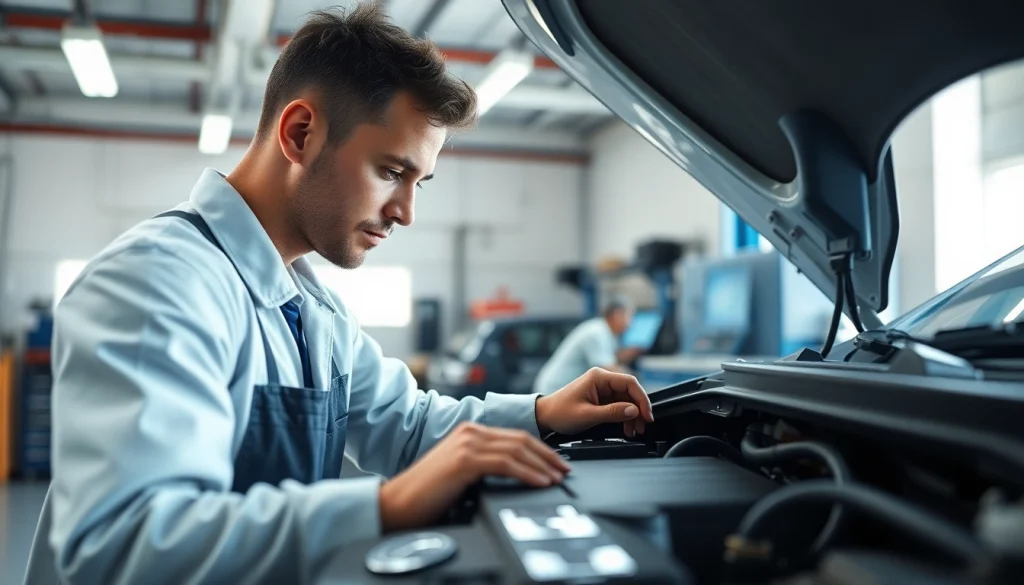
Understanding the Smog Check Process
One of the most crucial aspects of maintaining vehicle compliance with environmental regulations is the Smog Check. This process helps to ensure that vehicles are not emitting pollutants that harm air quality. In this comprehensive guide, we will explore the intricacies of the smog check process, its importance, preparation steps, and more. Understanding this process can significantly help vehicle owners navigate the requirements and ensure compliance with local laws.
What is a Smog Check?
A smog check is an inspection designed to measure the levels of pollutants emitted by vehicles. It typically evaluates the functionality of a vehicle’s emissions control system and confirms that the vehicle meets state emissions regulations. During a smog check, a technician examines various components of the vehicle and utilizes specialized equipment to measure exhaust emissions, ensuring they fall within acceptable limits.
Why is a Smog Check Required?
Smog checks are mandated by law in many regions to reduce air pollution and protect public health. These inspections are crucial for controlling vehicle emissions, which are a significant source of air pollutants. Failure to conduct regular smog checks can not only lead to health risks but also result in fines or penalties for vehicle owners. The revenue generated from these checks often supports environmental programs and initiatives aimed at improving air quality.
How to Prepare Your Vehicle for a Smog Check
Preparing your vehicle for a smog check can enhance the chances of passing the inspection on the first try. Here are some steps to follow:
- Check the engine light: If your vehicle’s check engine light is on, it’s critical to diagnose and resolve any underlying issues before your smog check.
- Inspect fluid levels: Ensure that the engine oil, coolant, and transmission fluid are topped off to enhance performance during the inspection.
- Replace the air filter: A clean air filter can significantly improve engine performance and emissions levels.
- Observe driving habits: Drive your vehicle for at least 20 minutes before the test to ensure the engine reaches optimal operating temperature, improving emissions testing results.
- Schedule repairs: Address any known issues such as exhaust leaks or brake problems before the inspection.
Key Components of a Smog Check
Emission Control Systems
Emission control systems play a vital role in reducing harmful emissions from vehicles. These systems can include catalytic converters, evaporative emission control systems (EVAP), and exhaust gas recirculation (EGR). Each component works together to minimize the release of pollutants into the atmosphere. During a smog check, these systems are thoroughly examined to ensure that they function properly and effectively mitigate emissions.
Common Issues Detected During a Smog Check
Several common issues can lead to a vehicle failing a smog check, including:
- Faulty catalytic converter: This component is essential for reducing toxic emissions, and if it is not functioning properly, the vehicle will likely fail.
- Leaking evaporative system: Evaporative leaks can cause unburned fuel vapors to escape into the atmosphere, leading to increased emissions.
- Check engine light trigger: If the check engine light is on, it often indicates a serious issue that must be resolved.
- Mismatched engine modifications: Performance modifications that alter the original emissions controls can lead to failures.
Testing Equipment and Procedures
The equipment used in smog checks varies depending on the state and the model of the vehicle being tested. Typical testing methods include:
- On-board diagnostic testing (OBD): Most modern vehicles utilize OBD systems that indicate whether the emissions systems are functioning as intended.
- Tailpipe emissions testing: This method directly measures the amount of pollutants emitted from the tailpipe during a specific RPM and load conditions.
Technicians ensure that these procedures are conducted under standardized conditions to maintain accurate results.
Addressing Common Smog Check Failures
Common Reasons for Smog Check Failures
Understanding the primary reasons vehicles fail smog checks can dramatically assist owners in taking proactive measures. Some of the most prevalent reasons include:
- Malfunctioning emissions components: This can include the catalytic converter or sensors that monitor emissions.
- Oil leaks: Leaking oil can contribute to higher emissions and is an area often overlooked by vehicle owners.
- Exhaust leaks: These leaks can skew emissions data and lead to failed inspections.
How to Diagnose and Fix Vehicle Issues
Diagnosing issues that could lead to smog check failures involves a systematic approach:
- Use diagnostic tools: Utilize an OBD-II scanner to assess error codes related to emissions systems.
- Visual inspection: Conduct a thorough inspection of all emissions-related components for signs of wear or damage.
- Consult a mechanic: If issues are complex, seeking professional assistance can lead to proper diagnosis and repair.
Cost of Repairs After a Smog Check
The costs of repairs needed after a failed smog check can vary significantly based on the underlying issues:
- Minor fixes: Replacing spark plugs or air filters may range from $50 to $200.
- Intermediate repairs: Fixing sensor issues or exhaust leaks could average between $200 to $600.
- Major repairs: Replacing a catalytic converter can be costly, reaching upwards of $1,500.
It is advisable for vehicle owners to obtain multiple quotes and seek detailed diagnostics before committing to repairs.
Benefits of Regular Smog Checks
Environmental Impact
Regular smog checks play a significant role in protecting the environment by reducing harmful emissions from vehicles. By ensuring that cars are compliant with emissions standards, we can collectively contribute to cleaner air and a healthier planet. This is particularly important in urban areas where air quality can be critically affected by vehicle exhaust.
Savings on Future Repairs
Conducting regular smog checks can lead to long-term savings for vehicle owners. By identifying and addressing minor issues early on, owners can avoid more substantial repairs down the line. Regular maintenance informed by smog checks can contribute to the longevity of vehicles, reducing overall ownership costs.
Improving Vehicle Performance
Ensuring that a vehicle meets emissions standards often equates to better overall performance. A vehicle that runs efficiently not only reduces emissions but also enhances fuel economy and driver experience. Regular smog checks that lead to repairs can help maintain optimal engine performance.
State Regulations and Smog Check Compliance
Understanding State-Specific Smog Check Laws
The laws governing smog checks can vary significantly from state to state. It is crucial for vehicle owners to understand their local regulations regarding:
- Frequency of checks
- Eligibility exemptions for certain vehicles
- Procedures for retesting after failure
Renewal and Exemptions for Vehicles
Many states offer exemptions regarding smog checks for specific vehicles, such as electric cars, hybrids, or vehicles of a certain age. It’s essential to confirm whether your vehicle qualifies for any exemptions and to understand what documentation is needed to validate this.
Staying Informed About Changes in Legislation
Vehicle owners should regularly check for updates related to emissions regulations and smog check requirements, as these can evolve significantly. Maintaining awareness of upcoming changes can help vehicle owners stay compliant and prepared for necessary inspections.