Top Trade Schools in Hawaii: Building the Future of Skilled Construction Workers
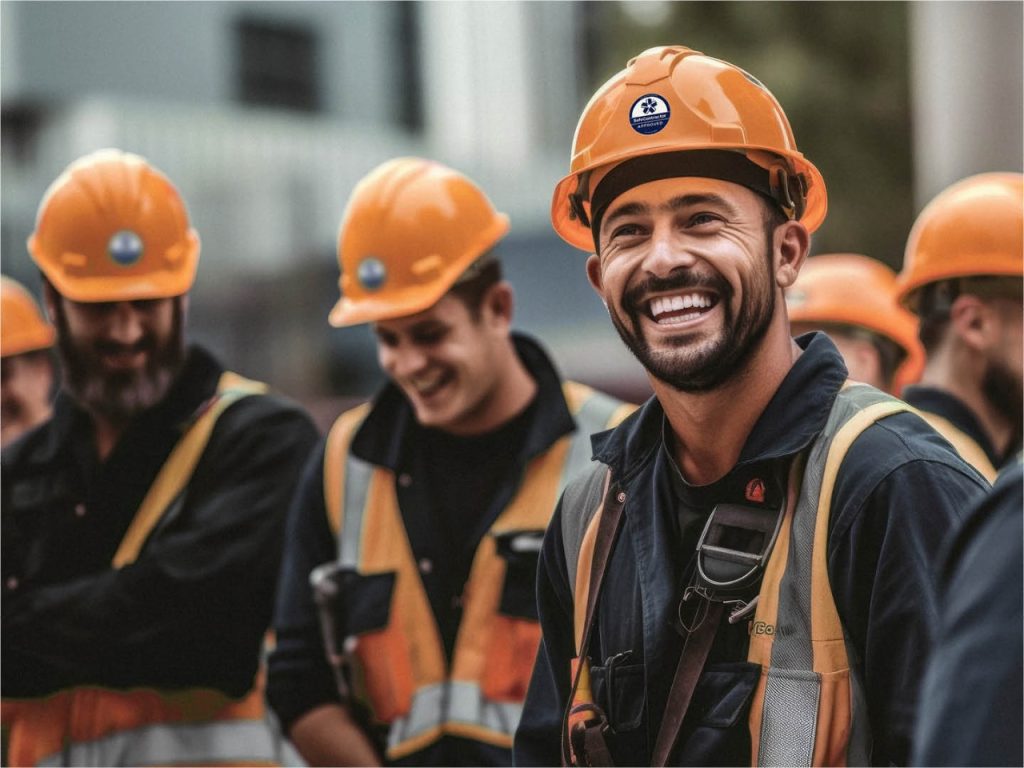
In a world where skilled trades are increasingly vital to economic growth and infrastructure development, the need for trained professionals in construction has never been higher. While traditional four-year degrees may be the preferred path for some, more students and employers are recognizing the value of career-focused training. trade schools in Hawaii have emerged as powerful solutions, offering hands-on education tailored to the state’s evolving construction industry. With their focus on practical skills, industry-aligned curricula, and strong job placement support, these institutions are helping build the future of Hawaii’s skilled labor force.
This article explores the role of trade schools in Hawaii in shaping construction careers, highlights leading institutions, and discusses how they contribute to long-term industry success. Whether you’re a student, parent, or industry professional, this guide provides insights into how trade training is transforming the workforce.
The Growing Importance of Skilled Trades in Hawaii
The construction industry in Hawaii continues to experience rising demand due to ongoing development projects, housing needs, and upgrades to transportation and tourism infrastructure. At the same time, the state faces a nationwide challenge: a shortage of skilled workers.
Why Trade-Based Education Matters
Unlike conventional academic pathways, trade schools in Hawaii emphasize real-world applications. Students gain practical experience using tools, machinery, and techniques they’ll encounter in their future jobs, making them job-ready upon graduation. These programs significantly reduce learning curves for new hires, enabling companies to onboard faster and operate more efficiently.
How Trade Schools Support Workforce Readiness
One of the biggest benefits of trade schools in Hawaii is their ability to match training with current industry standards. By partnering with local employers, unions, and industry leaders, schools design coursework that aligns with construction needs.
Hands-On Training for Real Jobs
Students typically spend more time in workshops, labs, and onsite training environments rather than traditional classrooms. This practical approach ensures they gain confidence and proficiency working with equipment, reading blueprints, understanding safety protocols, and managing onsite challenges.
Licenses and Certifications
Many trade schools in Hawaii prepare students for industry certifications such as OSHA training, welding accreditations, and carpentry licenses. These certifications give graduates a competitive edge when entering the workforce.
Top Trade Schools in Hawaii Offering Construction-Focused Programs
While multiple institutions provide trade education, a few trade schools in Hawaii stand out for their strong construction programs, modern facilities, and high job placement rates.
Honolulu Community College (HCC)
HCC is known for its comprehensive Applied Trades programs, including Construction Technology and Carpentry. Students receive hands-on instruction from experienced tradespeople.
Hawaii Community College
Offering construction-focused courses across multiple campuses, this institution supports a strong apprenticeship network. Students can specialize in fields such as electrical installation, carpentry, and refrigeration technologies.
University of Hawaii Maui College (Trades Division)
This division provides skills-based training aligned with Maui’s local construction and sustainability demands. The programs often incorporate energy efficiency and environmental considerations.
Pacific Technical Institute (PTI)
A private option among trade schools in Hawaii, PTI focuses on career-ready training with shorter course durations and flexible schedules for working adults.
Key Construction Programs Available
The range of construction programs offered by trade schools in Hawaii helps students explore various specialty trades.
Carpentry and Framing
Students learn how to design, build, and repair structures using modern construction techniques, often incorporating hurricane-resistant and sustainable designs.
Electrical Systems
These programs focus on wiring, safety, troubleshooting, and electrical codes. Graduates often continue into apprenticeships to gain licensure.
Welding and Metal Fabrication
Welding is essential for many structural applications. Trade schools offer in-depth training using modern welding machinery.
HVAC & Refrigeration
With Hawaii’s warm climate, this trade is in high demand. Students are trained in system installation, repair, and preventative maintenance.
Benefits of Choosing Trade Schools in Hawaii
Enrolling in trade schools in Hawaii offers several compelling advantages for students and industry employers alike.
Shorter Training Time
Most trade programs last between six months and two years, meaning students can enter the workforce faster than those pursuing traditional degrees.
High Employability
With strong industry relationships and apprenticeship support, trade graduates often receive job offers shortly after completing their programs.
Competitive Earnings
Skilled trades such as electrical work, carpentry, and HVAC installation offer competitive wages, with many opportunities for overtime and career advancement.
Lower Tuition Costs
Trade programs generally cost significantly less than university degrees, and many institutions offer financial aid, scholarships, or on-the-job training options.
The Role of Trade Schools in Long-Term Industry Growth
The sustainability of Hawaii’s construction industry relies heavily on the availability of trained professionals. Trade schools in Hawaii are ensuring long-term growth by continuously adapting curricula to meet industry changes.
Workforce Development Partnerships
The best trade programs actively collaborate with unions, construction companies, and contractors to ensure their training aligns with future project requirements.
Focus on Sustainability
Given Hawaii’s ecological priorities, trade programs often incorporate environmentally friendly construction practices, promoting energy efficiency and long-term sustainability.
Addressing the Skilled Labor Gap
By promoting trade careers to high school graduates and career changers, schools are helping bridge the gap between demand and supply of construction professionals.
How to Choose the Right Trade School
Selecting the best institution is a crucial decision. When evaluating trade schools in Hawaii, consider the following factors:
Industry Connections
Institutions with established relationships with contractors and trade unions provide better job placement opportunities.
Program Accreditation
Ensure programs are accredited by relevant trade boards and prepare you for licensing exams.
Apprenticeship Access
Some trade schools offer direct paths into apprenticeship programs, which allow students to earn while they learn.
Future Opportunities in Hawaii’s Construction Industry
The construction landscape in Hawaii continues to evolve, with new projects focusing heavily on urban development, green architecture, and renovation of existing structures. As demand grows for skilled professionals, students graduating from trade schools in Hawaii can expect abundant opportunities.
Rising Demand for Renewable Energy Solutions
The state has ambitious sustainability objectives, increasing demand for solar panel installers, energy-efficient builders, and technicians trained in eco-friendly technologies.
Increased Focus on Disaster-Resilient Construction
Trade students are trained to build resilient structures capable of withstanding hurricanes and seismic activity.
Why Trade Schools Are the Best Pathway for Construction Careers
In today’s fast-paced job market, many students prefer direct-to-career training rather than spending four years in university education. Trade schools in Hawaii offer structured, relevant, and efficient pathways that lead directly to rewarding jobs.
Students gain industry experience while still in training, increasing their confidence and employability. Employers benefit by hiring professionals who understand industry norms and require minimal supervision.
Conclusion: Start Building Your Future Today
As Hawaii’s construction sector continues to grow, so does the demand for skilled, knowledgeable, and safety-conscious workers. Trade schools in Hawaii are playing a crucial role in preparing this workforce through hands-on training, industry-aligned programs, and career-focused support. Whether you are graduating from high school, switching careers, or seeking to expand your trade expertise, enrolling in a reputable trade school is a powerful step toward a successful and rewarding construction career.
If you’re ready to take charge of your future and contribute to Hawaii’s infrastructure and sustainability goals, now is the time to act. Explore your options, connect with trade schools in Hawaii, and begin your journey toward a high-demand, well-paying career in the construction industry. Your opportunity to build the future starts today.