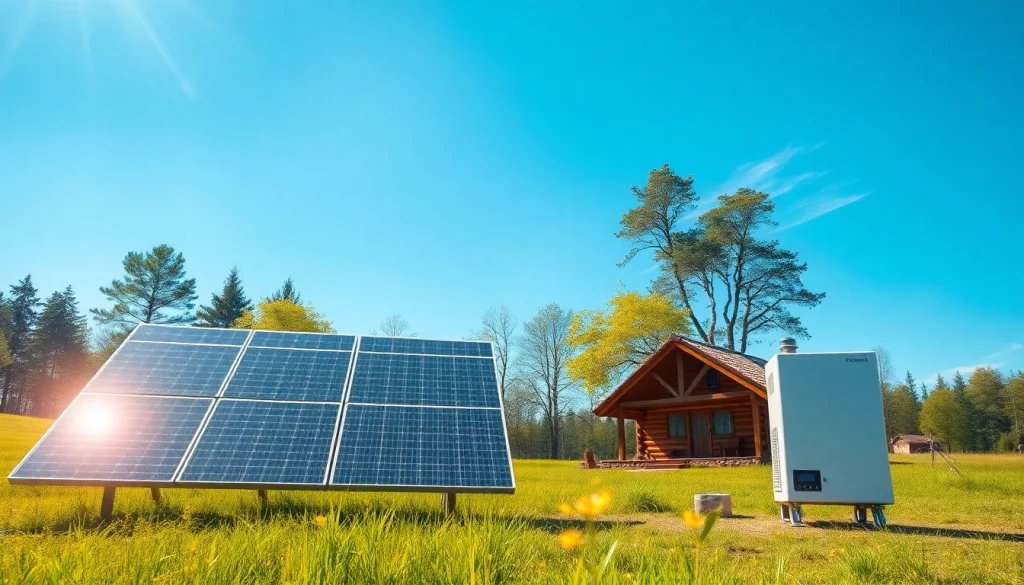
Understanding Off Grid Solar Systems
Off-grid solar systems have become a vital solution for those seeking energy independence, particularly in remote locations without reliable access to the grid. These systems enable users to harness solar energy, store it for later use, and operate completely independently. The off grid solar system not only presents an environmentally friendly alternative to traditional power sources but also offers financial savings in the long term. As more households and businesses look to reduce their carbon footprint and energy costs, understanding the structure and benefits of these systems has never been more critical.
What is an Off Grid Solar System?
An off grid solar system is a self-sufficient setup that allows you to produce, store, and consume your own power without any connection to the electrical grid. This system typically consists of solar panels, a charge controller, batteries for energy storage, and an inverter to convert the stored energy into usable electricity for your home or business. Off grid systems are primarily deployed in locations where grid power is unreliable or unavailable, making them ideal for remote homes, cabins, and agricultural setups.
Key Components of an Off Grid Solar System
The effectiveness of an off grid solar system hinges on several key components:
- Solar Panels: These convert sunlight into electricity. The size and number of panels required depend on your energy needs.
- Inverter: This device changes the DC electricity produced by solar panels into AC electricity used by most household appliances.
- Batteries: These store excess energy generated during sunny days for use at night or during cloudy weather. Lithium-ion batteries are increasingly favored for their efficiency and longevity.
- Charge Controller: This regulates the voltage and current coming from the solar panels to prevent overcharging the batteries.
- Mounting Structure: A reliable mounting system is essential for securely installing solar panels.
Benefits of Going Off Grid
Transitioning to an off grid solar system can bring numerous advantages:
- Energy Independence: With an off grid system, you are no longer reliant on utility companies, giving you the freedom to produce your own energy.
- Cost Savings: Although the initial investment can be substantial, solar systems can significantly reduce electricity bills, and once installed, maintenance costs are minimal.
- Environmental Impact: Solar energy is a clean, renewable resource that helps reduce your carbon footprint.
- Reliable Power Supply: With adequate battery storage, you can ensure a steady power supply regardless of weather conditions.
- No Noise Pollution: Unlike traditional generators, solar systems operate quietly, making them ideal for residential and remote locations.
Choosing the Right Off Grid Solar Kit
Selecting the appropriate off grid solar kit involves careful consideration of your energy requirements and budget. When exploring options, off grid solar system products can provide comprehensive insights on various configurations and specifications to meet different needs.
Assessing Your Power Needs
Before purchasing an off grid solar kit, it is crucial to assess your daily energy consumption. Consider the following steps to estimate your power needs:
- List all electrical appliances you intend to use.
- Calculate how many hours each appliance runs daily.
- Sum the wattage for a daily total.
This calculation will guide you in selecting the suitable size and number of solar panels and batteries.
Comparing Off Grid Solar Products
Not all off grid solar products are created equal. When comparing options, focus on the following:
- Efficiency: Look for high-efficiency solar panels that convert sunlight to electricity optimally.
- Durability: Ensure that the components can withstand harsh weather conditions.
- Warranty: A good warranty can indicate the manufacturer’s confidence in their product’s lifespan.
Understanding Cost Implications
The cost of an off grid solar system varies widely based on several factors:
- Energy Consumption: Larger systems that produce more energy will cost more.
- Type of Batteries: Lithium batteries are generally more expensive upfront but last longer compared to lead-acid batteries.
- Installation Costs: If you opt for professional installation, factor this into your budget.
While the initial investment can seem daunting, the long-term savings on energy bills can make it worthwhile.
Installation and Setup of Off Grid Systems
The installation of an off grid solar system can be a significant project, but proper planning can streamline the process. Here’s how to get started.
Preparing Your Site for Installation
The first step is to evaluate your property. A location should have unobstructed access to sunlight for most of the day. Considerations include:
- Orientation of the roof or ground for optimal sun exposure.
- Nearby trees or buildings that could cast shadows.
- Accessibility for installation and future maintenance.
Step-by-Step Installation Guide
While specific installation steps may vary based on the system and local regulations, here is a general outline:
- Gather all necessary tools and materials.
- Install the solar panels on the mounting structure securely.
- Set up the inverter in a sheltered location close to the battery bank.
- Connect the solar panels to the charge controller, then attach the batteries.
- Connect the inverter to the battery bank and install any necessary protections, like circuit breakers.
Following these steps will help ensure a successful installation.
Common Installation Mistakes to Avoid
To avoid pitfalls during the installation process, consider these common mistakes:
- Inadequate space for solar panel installation.
- Neglecting local building codes and regulations.
- Choosing a poor location that may reduce panel efficiency.
Maintenance of Your Off Grid Solar System
Once your off grid solar system is up and running, ongoing maintenance is essential to keep it functioning efficiently.
Routine Maintenance Tasks
Simple maintenance tasks can extend the lifespan of your system:
- Regularly clean solar panels to remove dust and debris.
- Check all connections for wear and tear.
- Monitor battery health regularly to ensure optimal performance.
Troubleshooting Common Issues
Despite best efforts, issues may arise. Common problems and their solutions include:
- Low Battery Voltage: Check for faulty connections or battery age.
- Inverter Malfunction: Ensure the inverter is properly configured and functioning.
Upgrading System Components Over Time
As technology evolves, consider upgrading components for enhanced performance:
- Replacing older batteries with newer, more efficient models.
- Incorporating additional solar panels to increase capacity.
Future Trends in Off Grid Solar Systems
As the solar industry continues to grow, several emerging trends can shape the future of off grid systems.
Emerging Technologies in Off Grid Solutions
New technologies are making off grid solar systems more efficient and user-friendly:
- Smart Inverters: These devices can optimize energy usage based on real-time data.
- Energy Management Systems: Applications that allow users to monitor and adjust their energy consumption seamlessly.
The Growing Popularity of Battery Storage
Battery storage technology is advancing rapidly, providing users with more reliable options to store energy. Technologies like lithium-ion continue to dominate the market due to their longevity and efficiency.
Regulatory Changes Impacting Off Grid Systems
As governments worldwide push for renewable energy, new regulations may impact the installation and incentives for off grid solar systems. Staying informed about these changes is vital for potential users.