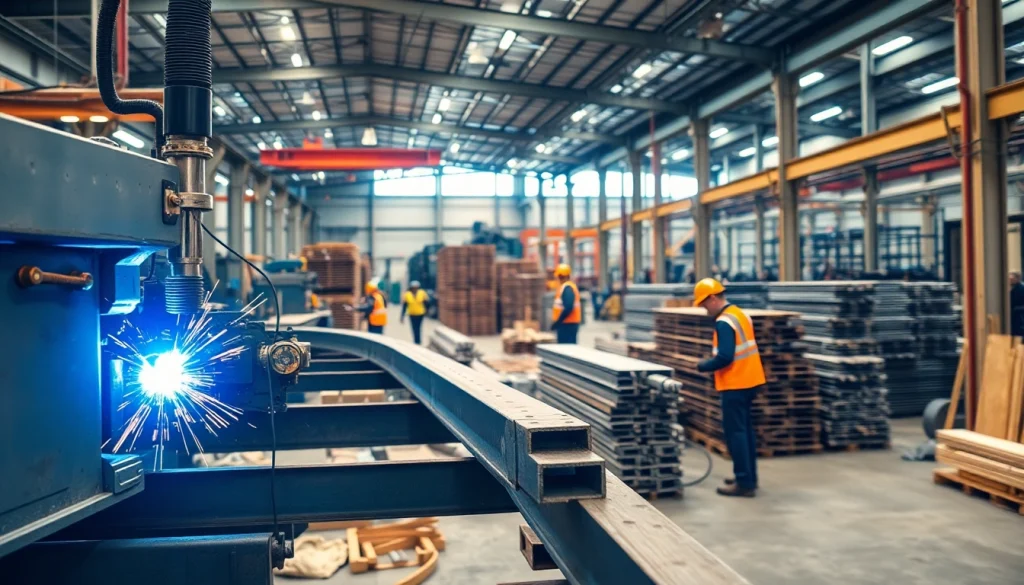
The Basics of Structural Steel Fabrication
What is Structural Steel Fabrication?
Structural steel fabrication is a process that involves the construction of steel structures through the assembly and shaping of steel materials. This intricate process is essential in various industries, particularly in construction, where steel plays a fundamental role in supporting large structures. The overarching goal of structural steel fabrication is to ensure the reliability and longevity of structures, accommodating various engineering specifications and safety standards.
In the world of engineering and architecture, structural steel fabrication is characterized by its versatility. Fabricators utilize various methods, including cutting, bending, and welding, to create steel components that meet particular design criteria. This custom fabrication ensures that every piece is tailored to fit within the desired framework of buildings, bridges, or other infrastructure.
Key Components of Structural Steel Fabrication
Several components are integral to the process of structural steel fabrication. Understanding these components provides clarity on how they contribute to the final product:
- Steel Beams: These are the main supports in structural steel design, functioning as the backbone of buildings and ensuring weight distribution.
- Columns: Vertical structural elements that carry the load from beams and floors, offering stability and support.
- Plates: Flat pieces of steel used for creating connections between various structural components, often used for welding or bolting together beams and columns.
- Bracing: Elements added to provide stability, especially in structures that face lateral loads like winds or seismic activity.
Each of these components must be fabricated with precise measurements and quality materials to ensure the overall integrity of the structure once completed.
Common Methods in Structural Steel Fabrication
Structural steel fabrication employs a variety of methods to transform raw steel into useable components:
- Cutting: Steel is often cut using saws, plasma cutters, or laser cutting technology to facilitate accurate shaping and fitting of components.
- Bending: This process shapes steel into desired angles or curves, utilizing hydraulic or mechanical bending methods.
- Welding: A pivotal technique, welding joints steel components together to form the final structure. Different welding techniques, such as MIG, TIG, and arc welding, are utilized depending on project requirements.
- Coating: Protecting steel from corrosion, various coatings like galvanization and powder coating are applied post-fabrication.
Mastering these methods allows for the production of robust components that can withstand the demands of any project.
Benefits of Structural Steel Fabrication
Durability and Strength Advantages
One of the most significant benefits of structural steel fabrication is its unmatched durability and strength. Steel is known for its high strength-to-weight ratio, making it an ideal material for a wide range of construction applications. When created through precise fabrication methods, structural steel components can endure substantial loads and stresses without deformation or failure.
Additionally, steel is resistant to many common environmental factors such as termites, rot, and fire, which further enhances its longevity compared to traditional materials like wood. This resilience translates to fewer repairs and maintenance tasks, ultimately leading to cost savings over the life of the structure.
Cost-Effectiveness of Structural Steel Fabrication
Professionals often highlight the cost-effectiveness of structural steel fabrication as a primary benefit. Although the initial investment in metal materials may be higher than alternative materials, the long-term savings are substantial. Steel’s durability means fewer repairs and replacements are necessary, which decreases total maintenance costs.
Moreover, the efficiency gained in construction times due to the rapid assembly and installation processes associated with prefabricated steel structures contributes to lower overall project costs. Quicker project timelines allow for faster occupancy and revenue generation, further improving the financial viability of structural steel solutions.
Speed and Efficiency in Construction Projects
Speed is an essential factor in any construction project, and structural steel fabrications offer considerable advantages in this area. Because many components can be prefabricated off-site and then transported to the construction location, the installation process becomes significantly streamlined.
Traditional construction methods often require significant amounts of time for on-site assembly and adjustments, leading to delays and costs overruns. In contrast, structural steel components can be manufactured while site preparations are underway, minimizing downtime. This efficiency not only hastens project completion but also enhances project management and resource utilization, accommodating tight schedules and shifting demands easily.
Common Applications of Structural Steel Fabrication
Industrial Construction
Structural steel fabrication plays a pivotal role in the industrial sector, where large buildings such as factories, warehouses, and manufacturing plants require heavy-duty support structures. Here, the use of robust steel frameworks ensures the stability and functionality of facilities that often contain heavy machinery and substantial storage capacities.
These structures benefit from the advantages of steel’s strength and flexibility, enabling large open spaces to be created without significant support columns, which facilitates optimal workflow and equipment layout.
Commercial Buildings
In commercial construction, structural steel fabrication has become synonymous with modern architecture. From skyscrapers to shopping complexes, steel enables architects to realize their visions by creating dynamic designs like cantilevers and sweeping curves.
The aesthetic potential of fabricated steel also contributes significantly to building design; its ability to be molded and finished allows for creative freedom that is often limited with other materials. As commercial projects often demand both durability and appeal, the role of structural steel helps meet both criteria effectively.
Infrastructure Projects
Infrastructure is a crucial area where structural steel fabrication demonstrates its significance, particularly in the construction of bridges, tunnels, and transit systems. The robust nature of steel allows for the construction of long spans necessary for bridges, where other materials may falter under load.
Furthermore, steel infrastructures can endure extreme weather conditions while sustaining heavy traffic, making it a leader in providing reliable, long-lasting transportation solutions. The ongoing demand for upgraded infrastructure in urban centers makes structural steel fabrication indispensable for modern engineers and planners.
Challenges in Structural Steel Fabrication
Quality Control and Standards
Despite the numerous benefits of structural steel fabrication, challenges do exist, particularly concerning quality control and regulatory standards. Maintaining rigorous quality checks throughout the fabrication process is essential to ensure that each piece meets industry standards and performance metrics.
Fabricators must implement a robust quality assurance and management system that tracks manufacturing processes, material sourcing, and final inspections to adhere to organizations such as ASTM International and AISC. Failure to comply with these standards can result in financial losses, legal ramifications, and compromised safety.
Logistical Considerations
Logistics is another critical challenge in structural steel fabrication. Transporting large, prefabricated steel components to construction sites requires meticulous planning and coordination. Mishandling can lead to delays, additional costs, and potential damage, impacting project timelines.
It’s essential for firms to establish effective communication networks with suppliers, fabricators, and construction teams to ensure that all parties are aligned regarding timelines, transportation means, and handling procedures. Effective logistics strategies can mitigate these challenges significantly.
Environmental Impact and Sustainability
The environmental impact of structural steel fabrication cannot be overlooked. While steel is recyclable and can be repurposed, the manufacturing process itself generates waste and pollution. Concerns regarding the carbon footprint of steel production have prompted many organizations to seek more sustainable practices within the industry.
Adopting measures such as utilizing recycled materials, implementing waste reduction strategies, and investing in cleaner technologies contributes to the overall sustainability of structural steel fabrication. Manufacturers and builders alike must prioritize eco-friendly practices to respond to growing consumer demands for greener construction solutions.
Future Trends in Structural Steel Fabrication
Technological Advancements and Automation
As technology continues to evolve, structural steel fabrication is not left behind. Innovations in building information modeling (BIM), 3D printing, and automated machinery are transforming the landscape of steel fabrication. These advancements allow for enhanced precision in design and manufacturing, resulting in reduced waste and improved efficiency.
Moreover, automation in manufacturing processes can accelerate production times, address labor shortages, and ensure a consistent quality product, propelling the industry forward into a new era of smart construction.
Adoption of Sustainable Practices
The trend towards sustainability is shaping the future of structural steel fabrication significantly. As the world embraces green building practices, fabricators are recognizing the importance of adopting eco-friendly materials and processes. This shift includes using sustainable sources of steel and enhancing energy efficiency during production.
Companies that integrate sustainability into their operational ethos will not only comply with regulations but also position themselves favorably in a marketplace increasingly influenced by consumer preferences for environmentally conscious options.
Innovative Design and Construction Techniques
Lastly, the exploration of innovative design and construction techniques continues to grow within the realm of structural steel fabrication. Concepts such as modular construction and offsite fabrication are gaining momentum, emphasizing efficiency and speed without compromising quality.
These techniques not only promote cost-savings but also allow for a degree of customization that aligns with modern architectural requirements. The future of structural steel fabrication will undoubtedly rely heavily on these innovations, further cementing steel’s role as a foundational material in contemporary construction.